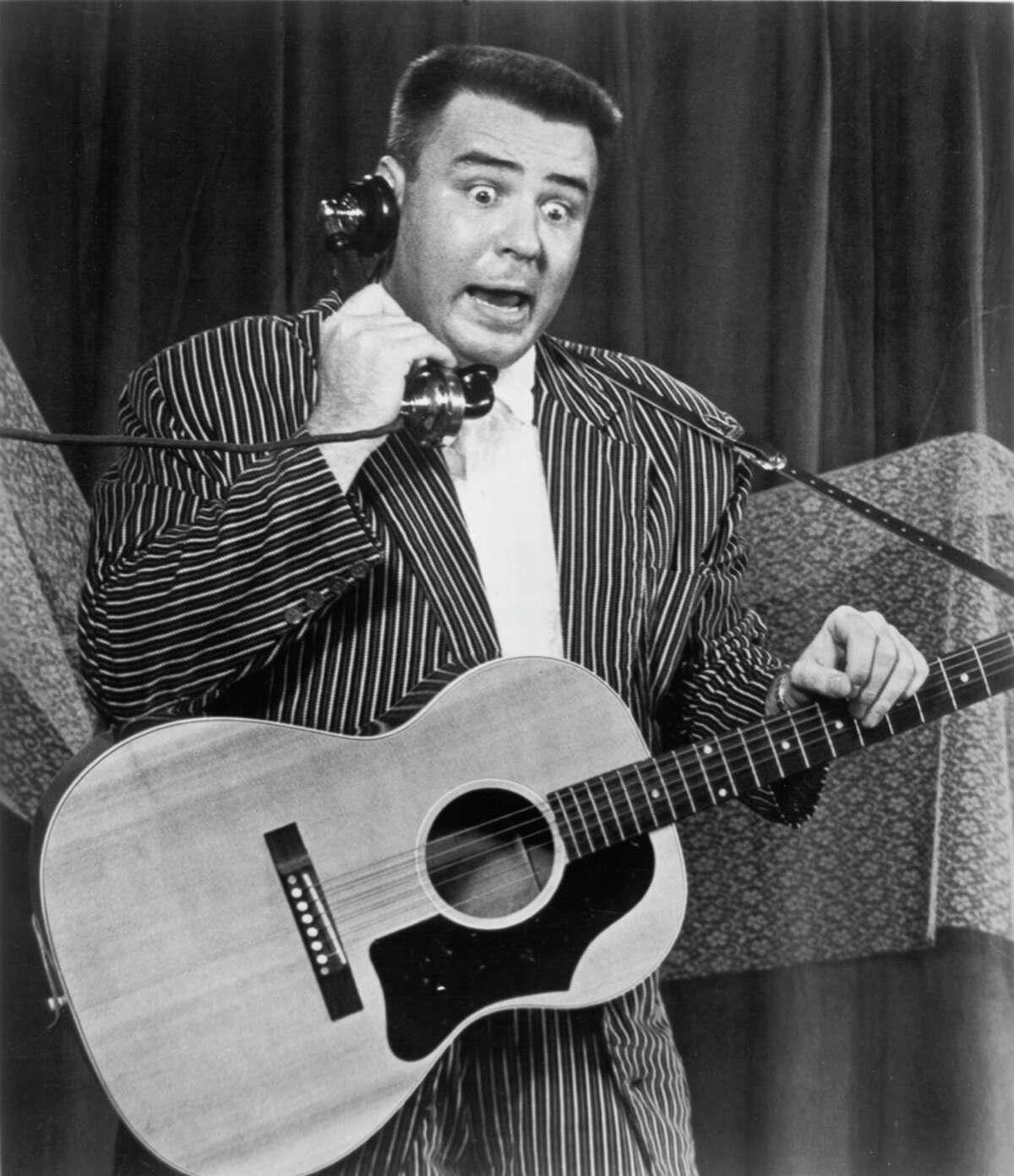
Frankie Ford

Rock
Alternative Rock
Soul
 Viberate Rank: 147342
 Viberate Rank: 147342
 Monthly ListenersFollowers
 Subscribers
 Followers
 Followers
 FansTop Spotify Songs
| Track | 7-Day Streams | |
|---|---|---|
1 | 5.82K | |
2 | 1.16K | |
3 | 1.04K | |
4 | 976 | |
5 | 183 |
Top YouTube VideosMonthly ListenersFeatured in Playlists| Playlist | Followers | |
|---|---|---|
1 | Golden Oldies 50's & 60's - Best of 50s/60s. EN Greatest hits - Grandes éxitos de los años 50 y 60. Leticia-Recopilatorios | 198.94K |
2 | wicks Brennan McDowell | 43.73K |
3 |  50's and 60's Rock'n'Roll classics lxwless playlists | 40.25K |
4 | Boogie Woogie ! Sondre Olsen-Bye | 33.90K |
5 |  Essential Classics Essential Classics | 31.39K |
Audience| City | Monthly Listeners | |
|---|---|---|
1 |  | 518 |
2 | | 457 |
3 | | 421 |
4 | | 420 |
5 |  | 391 |
See full performance history, audience data, playlist activity, rankings, comparisons, and more in Viberate music analytics. Start with a free trial, then continue with a paid plan.
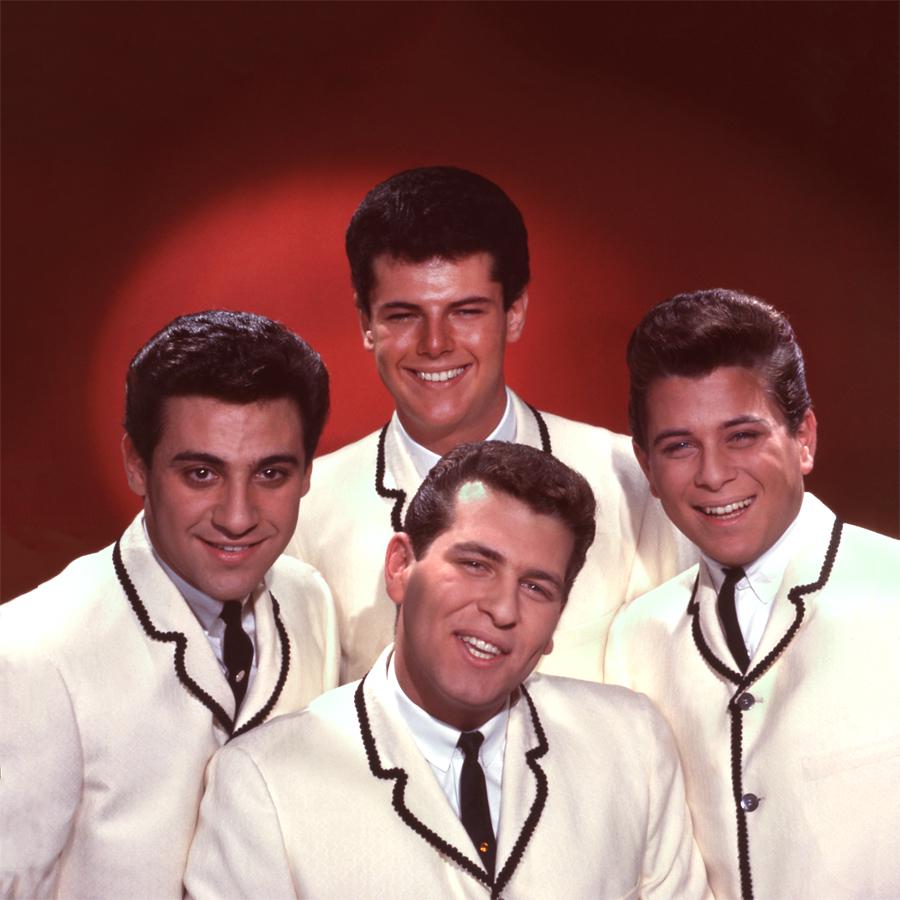
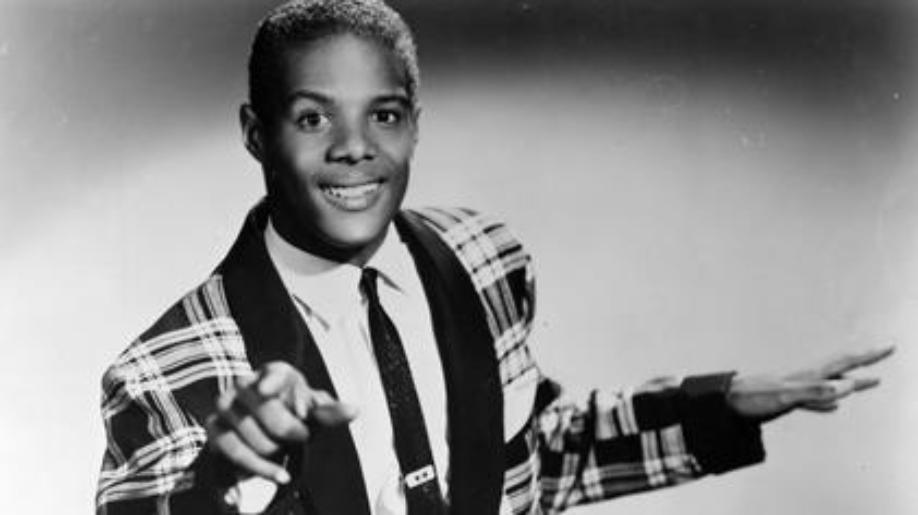
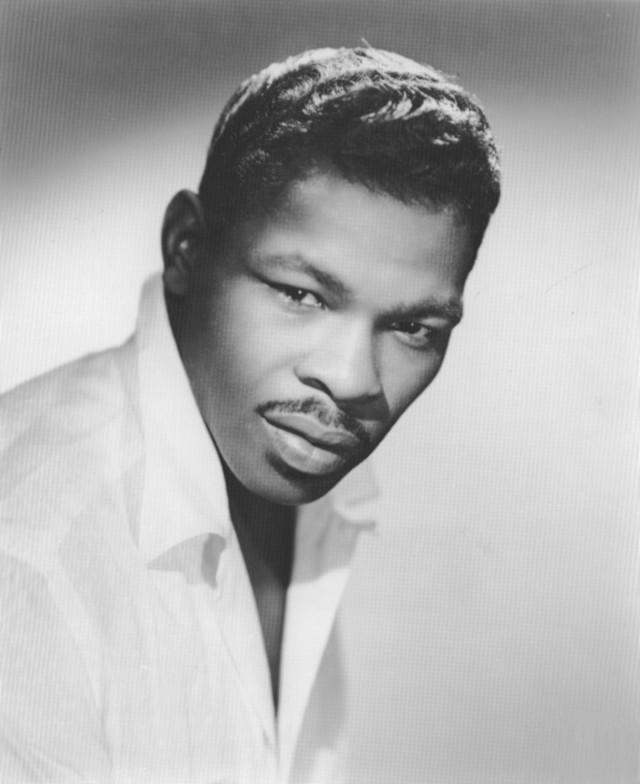
Frankie Ford’s Spotify BioIt's ironic that some of the greatest New Orleans R&B of the 1950s was sung by a white man. Although he could have passed for a teen idol, Frankie Ford sang with as much grit as anyone of any color in the Crescent City. He recorded some fine singles for the Ace label in the late '50s, particularly the pounding "Sea Cruise," which made the Top 20 in 1959 and remains one of the hits most identified with the classic New Orleans R&B sound. "Sea Cruise" actually began life as a Huey "Piano" Smith song with Bobby Marchan on vocals, but producer Johnny Vincent had the inspired idea of dubbing Ford's singing on top of Smith's backing track. "Sea Cruise," with its bleating foghorn and irresistible piano groove, was an impossible act to follow, and Ford never approached the Top 20 again. But he cut several more gutsy sides for Ace that featured top New Orleans players like Huey Smith and saxophonist Red Tyler; one of the best, "Roberta," was covered by the Animals in the mid-'60s. A few of his… singles found him following ill-advised swing jazz and teen idol directions, and he faded from view in the 1960s, although he made a cameo appearance in the film version of Alan Freed's life. ~ Richie Unterberger, Rovi
Viberate is a music analytics platform built for A&Rs, artist managers, labels, booking agents, marketers, and artists.
It helps music professionals track artist growth, analyze audience data, monitor playlist activity, compare artists, follow song performance, and identify opportunities across the music market.
Public artist pages provide a free preview of selected artist data. Paid plans provide access to deeper analytics, historical data, charts, comparisons, playlist tools, exports, alerts, reports, and additional professional features.
Yes. Public Viberate artist pages provide selected artist analytics and music data for free.
Viberate also offers a 7-day free trial of the full platform. A credit card is required to start the trial. The trial includes access to the complete product so users can test deeper artist analytics, historical views, playlist insights, comparisons, charts, exports, alerts, and reporting features before choosing a paid plan.
Viberate provides artist analytics across streaming, playlists, social media, video, radio airplay, songs, and audience markets.
Users can analyze Spotify performance, Spotify and Apple Music playlists, YouTube activity, TikTok and Instagram growth, radio spins, song performance, audience locations, demographics, rankings, and overall artist momentum.
Artist profiles also connect to music charts, similar artists, and comparison tools, helping users benchmark performance and evaluate artists in context.
Viberate updates key artist and track data daily.
For followed artists and tracks, selected data is refreshed multiple times per day. This helps teams monitor playlist changes, streaming movement, audience growth, releases, and campaign performance with more current data.
Update frequency can vary depending on the metric and data source.
Yes. Viberate lets users compare up to five artists side by side across streaming, social media, audience, and engagement metrics.
Users can compare fanbase growth, audience demographics, locations, Spotify performance, social metrics, and other artist data over selected time periods.
Artist comparison can be used for A&R scouting, benchmarking, booking decisions, campaign planning, and evaluating artists with similar audiences or market positions.