Watchtower

Metal
Progressive Metal
Thrash Metal
 Viberate Rank: 212622
 Viberate Rank: 212622
 Monthly ListenersFollowers
 Subscribers
 Followers
 Followers
 FansTop Spotify Songs
| Track | 7-Day Streams | |
|---|---|---|
1 | 517 | |
2 | 371 | |
3 | 290 | |
4 | 267 | |
5 | 216 |
Top YouTube VideosMonthly ListenersFeatured in Playlists| Playlist | Followers | |
|---|---|---|
1 |  FENRIZ METAL Gylve | 32.35K |
2 | Ultimate 80s Metal! Michael Field | 15.41K |
3 | Thrash Metal 12124165724 | 12.18K |
4 | Neoclassical Metal Max Vartanian | 5.29K |
5 | Doom/Stoner/Sludge Metal Amy Eddins | 2.92K |
Audience| City | Monthly Listeners | |
|---|---|---|
1 |  | 85 |
2 |  | 43 |
3 | | 34 |
4 |  | 32 |
5 |  | 32 |
See full performance history, audience data, playlist activity, rankings, comparisons, and more in Viberate music analytics. Start with a free trial, then continue with a paid plan.
Watchtower’s Spotify BioWatchtower remains on the most over-the-top prog metal outfits of all-time. Their songs often came off as excuses to shred away and show off their member's instrumental prowess, and although the group remains quite obscure, they (along with Dream Theater) spawned countless musical offspring by the '90s -- Spock's Beard, Dali's Dilemma, Cairo, Ice Age, Royal Hunt, etc. The Texas-based band first came together in the early '80s, drawing inspiration from such established challenging rockers as Rush and Iron Maiden -- and featuring the lineup of frontman Jason McMaster, guitarist Ron Jarzombek, bassist Doug Keyser, and drummer Rick Colaluca. 1986 saw the release of the group's debut album, Energetic Disassembly, as Watchtower immediately built a cult following in Europe, where prog metal is widely worshipped.
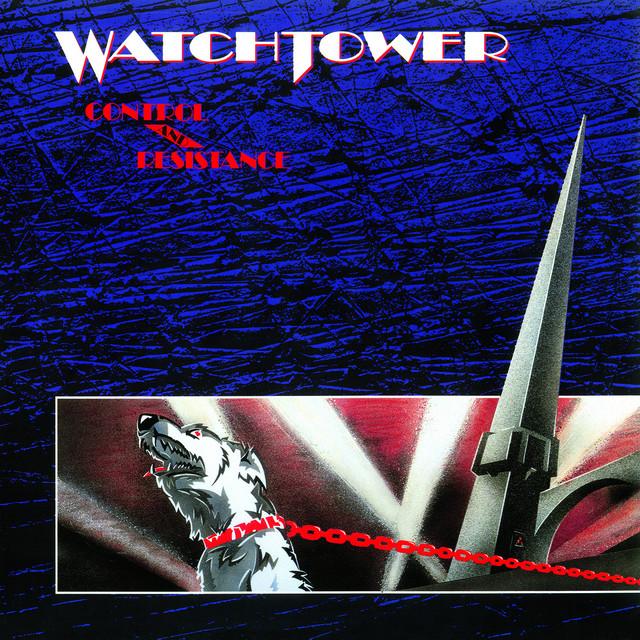
Just before recording sessions were to begin for Watchtower's sophomore effort, McMaster left the group to join Guns N' Roses-disciples Dangerous Toys, and was replaced with former… Hades vocalist Alan Tecchio in time for 1989's Control and Resistance (a demo of McMaster singing the Control songs became a hot item in fan trading circles). The band split shortly thereafter after Jarzombek came down with an ailment that affected his hands, as not much was heard from the group or its members until the late '90s, when McMaster rejoined the band for a huge metal festival in Germany, which led to further shows opening for Dream Theater and a planned third album in the works. In 2001, Watchtower issued a collection of unreleased demos on the Monster label to tide fans over until a proper third studio effort appears. ~ Greg Prato, Rovi
Viberate is a music analytics platform built for A&Rs, artist managers, labels, booking agents, marketers, and artists.
It helps music professionals track artist growth, analyze audience data, monitor playlist activity, compare artists, follow song performance, and identify opportunities across the music market.
Public artist pages provide a free preview of selected artist data. Paid plans provide access to deeper analytics, historical data, charts, comparisons, playlist tools, exports, alerts, reports, and additional professional features.
Yes. Public Viberate artist pages provide selected artist analytics and music data for free.
Viberate also offers a 7-day free trial of the full platform. A credit card is required to start the trial. The trial includes access to the complete product so users can test deeper artist analytics, historical views, playlist insights, comparisons, charts, exports, alerts, and reporting features before choosing a paid plan.
Viberate provides artist analytics across streaming, playlists, social media, video, radio airplay, songs, and audience markets.
Users can analyze Spotify performance, Spotify and Apple Music playlists, YouTube activity, TikTok and Instagram growth, radio spins, song performance, audience locations, demographics, rankings, and overall artist momentum.
Artist profiles also connect to music charts, similar artists, and comparison tools, helping users benchmark performance and evaluate artists in context.
Viberate updates key artist and track data daily.
For followed artists and tracks, selected data is refreshed multiple times per day. This helps teams monitor playlist changes, streaming movement, audience growth, releases, and campaign performance with more current data.
Update frequency can vary depending on the metric and data source.
Yes. Viberate lets users compare up to five artists side by side across streaming, social media, audience, and engagement metrics.
Users can compare fanbase growth, audience demographics, locations, Spotify performance, social metrics, and other artist data over selected time periods.
Artist comparison can be used for A&R scouting, benchmarking, booking decisions, campaign planning, and evaluating artists with similar audiences or market positions.