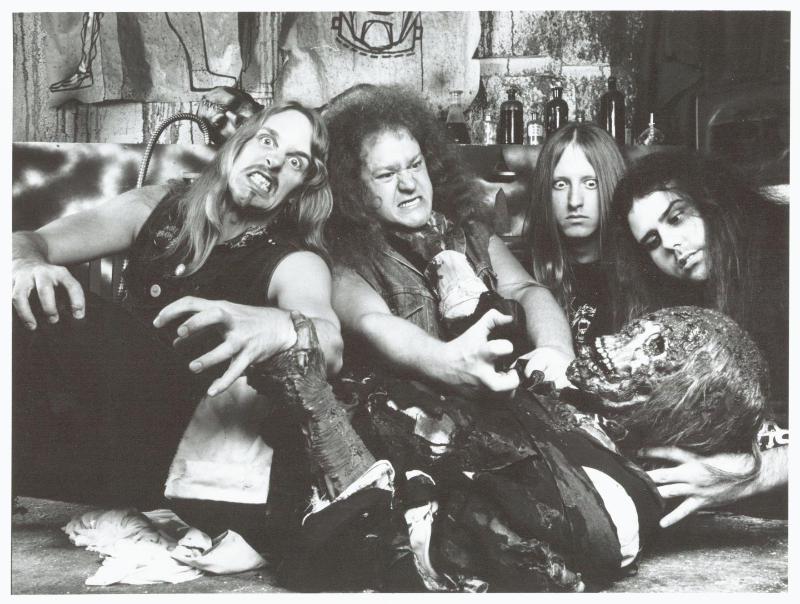
Blind Illusion

Metal
Thrash Metal
 Viberate Rank: 207253
 Viberate Rank: 207253
 Monthly ListenersFollowers
 Subscribers
 Followers
 Followers
 FansTop Spotify Songs
| Track | 7-Day Streams | |
|---|---|---|
1 | 328 | |
2 | 328 | |
3 | 151 | |
4 | 151 | |
5 | 138 |
Top YouTube Videos| Video | 7-Day Views | |
|---|---|---|
1 | 59 | |
2 | 33 | |
3 | 12 | |
4 | 10 | |
5 | 6 |
Monthly ListenersFeatured in Playlists| Playlist | Followers | |
|---|---|---|
1 |  FENRIZ METAL Gylve | 32.35K |
2 | Robert | 9.86K |
3 |  Thrash Metal & Crossover classic 80s&90s David | 5.58K |
4 | Thrash metal 80s/90s tschingo | 3.33K |
5 | New Thrash Metal thrashguitars | 2.87K |
Audience| City | Monthly Listeners | |
|---|---|---|
1 |  | 32 |
2 | | 25 |
3 |  | 21 |
4 | | 17 |
5 | | 17 |
See full performance history, audience data, playlist activity, rankings, comparisons, and more in Viberate music analytics. Start with a free trial, then continue with a paid plan.
Blind Illusion’s Spotify BioFormed in 1978 in the East Bay Area by vocalist David White, guitarist Mark Biederman, bassist Alvin Petty, and drummer Brett Hern, Blind Illusion were for years one of the Bay Area's most popular underground Thrash Metal bands. The band went through numerous incarnations over the years. By 1988, White had left to form thrash metal icons Heathen, and after a brief stint with Blue Öyster Cult, Biederman reconvened Blind Illusion with the help of recently ousted Possessed guitarist Larry LaLonde, bassist Les Claypool, and drummer Mike Miner. Released the same year by English indie Music for Nations, The Sane Asylum was a quite unique, highly technical thrash metal album that has cemented themselves as Bay Area thrash scene legends. That scene featured many other Thrash Metal bands like Possesed, Slayer, Exodus, and Metallica and is featured in the documentary Murder in the Front Row! Eventually the bandmembers soon went their separate ways. Claypool and LaLonde would go on to greater… fame and fortune with Primus, while Biederman has kept himself busy with session work.
In 2024 The newest incarnate of Blind Illusion was born, featuring Biedermann on Guitar and Vocals, Crushing young drummer Phillip Cosentini, Bass Wizard Avery Thurman, and Virtuoso Supreme Martin LaCour.
Additionally, 2025 saw the long awaited return of original vocalist David White on April 25th at the UC Theatre in Berkeley opening for Exodus and Death Angel.
Photos by ShotsbyMario and Lisa Holt
Viberate is a music analytics platform built for A&Rs, artist managers, labels, booking agents, marketers, and artists.
It helps music professionals track artist growth, analyze audience data, monitor playlist activity, compare artists, follow song performance, and identify opportunities across the music market.
Public artist pages provide a free preview of selected artist data. Paid plans provide access to deeper analytics, historical data, charts, comparisons, playlist tools, exports, alerts, reports, and additional professional features.
Yes. Public Viberate artist pages provide selected artist analytics and music data for free.
Viberate also offers a 7-day free trial of the full platform. A credit card is required to start the trial. The trial includes access to the complete product so users can test deeper artist analytics, historical views, playlist insights, comparisons, charts, exports, alerts, and reporting features before choosing a paid plan.
Viberate provides artist analytics across streaming, playlists, social media, video, radio airplay, songs, and audience markets.
Users can analyze Spotify performance, Spotify and Apple Music playlists, YouTube activity, TikTok and Instagram growth, radio spins, song performance, audience locations, demographics, rankings, and overall artist momentum.
Artist profiles also connect to music charts, similar artists, and comparison tools, helping users benchmark performance and evaluate artists in context.
Viberate updates key artist and track data daily.
For followed artists and tracks, selected data is refreshed multiple times per day. This helps teams monitor playlist changes, streaming movement, audience growth, releases, and campaign performance with more current data.
Update frequency can vary depending on the metric and data source.
Yes. Viberate lets users compare up to five artists side by side across streaming, social media, audience, and engagement metrics.
Users can compare fanbase growth, audience demographics, locations, Spotify performance, social metrics, and other artist data over selected time periods.
Artist comparison can be used for A&R scouting, benchmarking, booking decisions, campaign planning, and evaluating artists with similar audiences or market positions.