Helstar

Metal
Power Metal
Speed Metal
 Viberate Rank: 157079
 Viberate Rank: 157079
 Monthly ListenersFollowers
 Subscribers
 Followers
 Followers
 FansTop Spotify Songs
| Track | 7-Day Streams | |
|---|---|---|
1 | 1.04K | |
2 | 871 | |
3 | 818 | |
4 | 472 | |
5 | 369 |
Top YouTube VideosMonthly ListenersFeatured in Playlists| Playlist | Followers | |
|---|---|---|
1 |  Heavy METAL PESADO para entrenar⚡️treinar GYM 🔱 THEOCIDE STUDIOS 🔱 | 43.49K |
2 |  FENRIZ METAL Gylve | 32.35K |
3 |  Darth Vader Star Wars | 16.63K |
4 | Heavy Metal Ballads Kenneth Eriksen | 12.16K |
5 |  Dark Melodic Metal DeathWave Records | 11.37K |
Audience| City | Monthly Listeners | |
|---|---|---|
1 |  | 196 |
2 |  | 160 |
3 |  | 158 |
4 |  | 152 |
5 | | 140 |
See full performance history, audience data, playlist activity, rankings, comparisons, and more in Viberate music analytics. Start with a free trial, then continue with a paid plan.
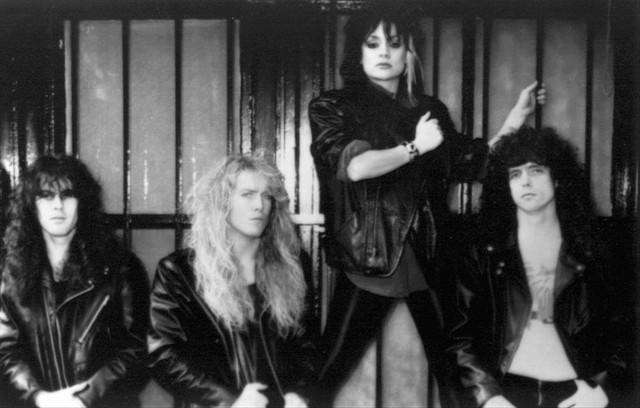
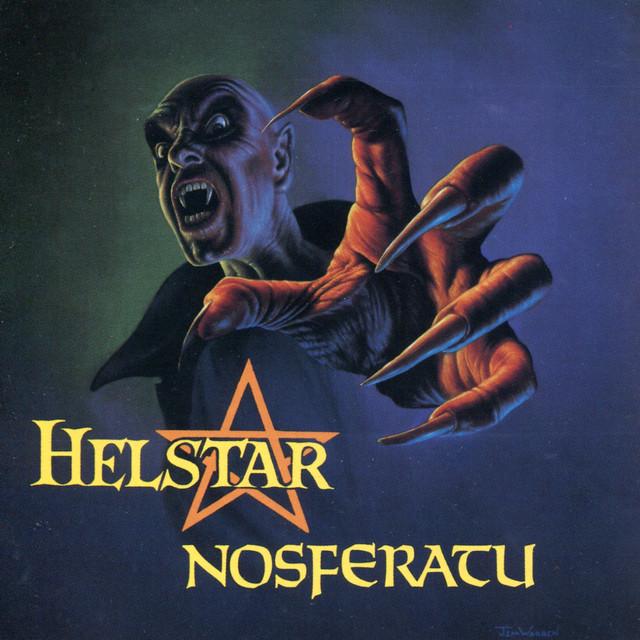
Helstar’s Spotify BioOnce a "best-kept secret" on the American metal scene, Houston's Helstar proved an indelible force in spreading the unholy gospel of power and thrash metal. Their 1984 debut, Burning Star, for Combat Records set American critics' pens afire, but internal struggles kept the band off the international touring circuit, and ultimately initiated a seemingly endless cycle of personnel changes. In the aftermath of 1985's Remnants of War, Helstar opened arena shows for Stryper and Anthrax. They released A Distant Thunder in 1988, and Nosferatu in 1989 for Metal Blade. Their lineup ever in flux, by the time they issued 1995's Multiples of Black on Massacre, singer James Rivera was the only remaining original member. In the aftermath, he formed, toured, and recorded with several other bands. After a pair of Helstar live albums appeared in 2000, the band -- including several original members -- delivered the James Rivera Legacy split with Vigilante in 2001 (one of the singer's other bands). In… 2006, Rivera and original guitarist Larry Barragan declared Helstar musically reactivated. After the compilation Sins of the Past, Helstar released The King of Hell on AFM in 2008, their first full-length studio outing in more than a decade. 2010's Glory of Chaos achieved universally positive reviews and they resumed global touring. 2016's Vampiro was acclaimed by critics and 1989's Nosferatu was re-released in Europe in 2021 as a compilation called Clad in Black. In addition to Vampiro, it included three new studio tracks and three covers.
Formed in Houston, Texas, in 1981 by vocalist James Rivera and guitarist Larry Barragan (the only mainstays over the years), Helstar was soon making waves in underground tape-trading networks with their very first demo and by 1984 they'd released their debut album, Burning Star, for Combat Records. Produced by Rods drummer Carl Canedy (also responsible for Anthrax's first platter), the disc contained high-end classic metal and featured second guitarist Tom Rogers, bassist Paul Medina, and drummer Hector Pavon, all of whom would be jettisoned by the time of 1986's Remnants of War follow-up and replaced by Robert Trevino, Jerry Abarca, and Rene Luna, respectively. But that album, too, failed to bolster the band's popularity, and feeling increasingly out of place amid Combat's thrash-dominated roster, Helstar relocated to Los Angeles and signed with Metal Blade for their next two efforts, 1988's A Distant Thunder and 1989's Nosferatu. Both of these featured new guitarist Andre Corbin and drummer Frank Ferreira and saw Helstar gathering more fans while touring both America and Europe with the likes of Tankard and Yngwie Malmsteen. This was not enough to keep their motivational fires burning, though, and a subsequent return to Houston soon led to a long period of inactivity, interrupted by intermittent reunions like 1995's distinctly Barragan-less Multiples of Black and a 1989 live recording released in 2000 as T'was the Night of a Helish Xmas. The group became officially active again in 2007, releasing Sins of the Past, a collection of 11 revamped classics and two new songs, via AFM Records. It was followed in 2008 by King of Hell, an all-new collection of original material. In 2014, the band issued their ninth studio long-player, This Wicked Nest, which would be their last outing for AFM Records.
2016's Vampiro was released exclusively in the U.S. by Megadeth bassist David Ellefson's EMP Label Group. it marked Helstar's first release of completely new material in a decade. The set was lauded globally, and received their best reviews since 1989's Nosferatu. After touring for the better part of two years, Helstar took another extended breather. They re-emerged with the "Black Wings of Solitude" single in 2020, and in May of 2021, released Clad in Black, a global reissue of Vampiro that added three studio tracks and three covers as bonus material. ~ Eduardo Rivadavia & Thom Jurek, Rovi
Viberate is a music analytics platform built for A&Rs, artist managers, labels, booking agents, marketers, and artists.
It helps music professionals track artist growth, analyze audience data, monitor playlist activity, compare artists, follow song performance, and identify opportunities across the music market.
Public artist pages provide a free preview of selected artist data. Paid plans provide access to deeper analytics, historical data, charts, comparisons, playlist tools, exports, alerts, reports, and additional professional features.
Yes. Public Viberate artist pages provide selected artist analytics and music data for free.
Viberate also offers a 7-day free trial of the full platform. A credit card is required to start the trial. The trial includes access to the complete product so users can test deeper artist analytics, historical views, playlist insights, comparisons, charts, exports, alerts, and reporting features before choosing a paid plan.
Viberate provides artist analytics across streaming, playlists, social media, video, radio airplay, songs, and audience markets.
Users can analyze Spotify performance, Spotify and Apple Music playlists, YouTube activity, TikTok and Instagram growth, radio spins, song performance, audience locations, demographics, rankings, and overall artist momentum.
Artist profiles also connect to music charts, similar artists, and comparison tools, helping users benchmark performance and evaluate artists in context.
Viberate updates key artist and track data daily.
For followed artists and tracks, selected data is refreshed multiple times per day. This helps teams monitor playlist changes, streaming movement, audience growth, releases, and campaign performance with more current data.
Update frequency can vary depending on the metric and data source.
Yes. Viberate lets users compare up to five artists side by side across streaming, social media, audience, and engagement metrics.
Users can compare fanbase growth, audience demographics, locations, Spotify performance, social metrics, and other artist data over selected time periods.
Artist comparison can be used for A&R scouting, benchmarking, booking decisions, campaign planning, and evaluating artists with similar audiences or market positions.