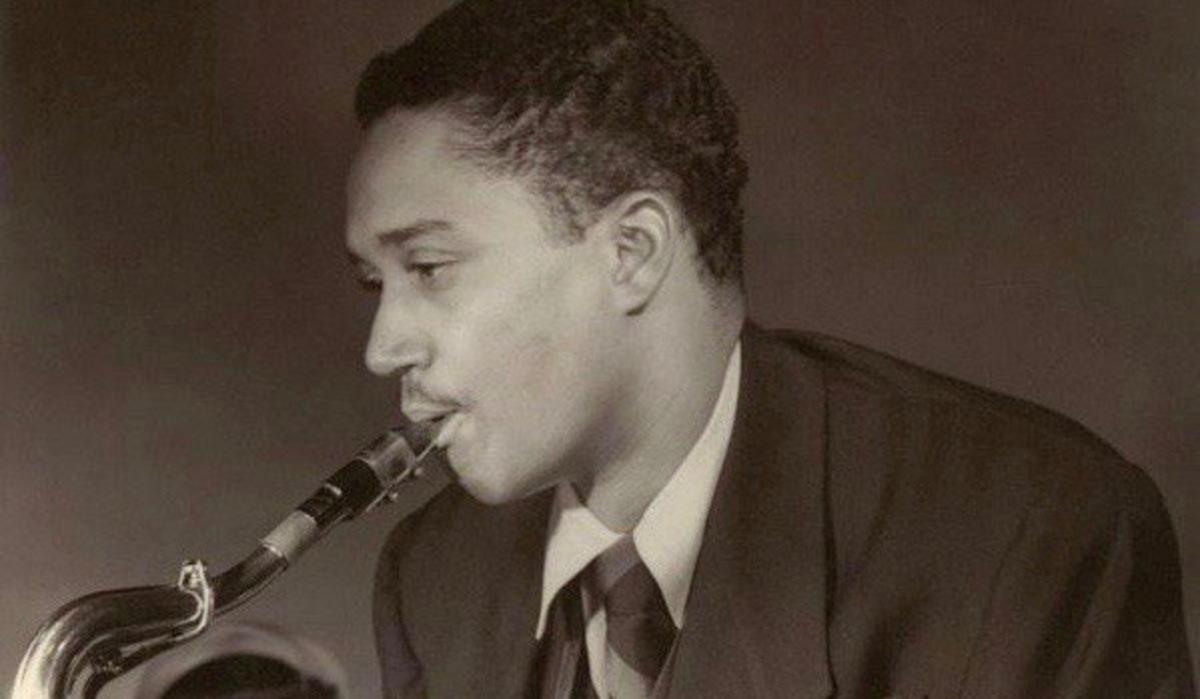
Wardell Gray

Jazz
Bebop
Swing
 Viberate Rank: 245288
 Viberate Rank: 245288
 Monthly ListenersFollowers
 Subscribers
 Followers
 Followers
 FansTop Spotify Songs
| Track | 7-Day Streams | |
|---|---|---|
1 | 2.71K | |
2 | 2.23K | |
3 | 1.13K | |
4 | 1.13K | |
5 | 1.08K |
Top YouTube VideosMonthly ListenersFeatured in Playlists| Playlist | Followers | |
|---|---|---|
1 | Jillian Nichols | 87.21K |
2 |  Music from Girls (HBO) Soundtrack Yann Kerjan | 22.73K |
3 |  BeBop Jazz Essentials raúlmoreno | 22.02K |
4 |  Real Book - Jazz standards/classics Anders Garbom Bjørklund | 13.79K |
5 | Summer Evening Jazz ahutch1 | 12.84K |
Audience| City | Monthly Listeners | |
|---|---|---|
1 | | 95 |
2 | | 83 |
3 |  | 66 |
4 | | 65 |
5 |  | 51 |
See full performance history, audience data, playlist activity, rankings, comparisons, and more in Viberate music analytics. Start with a free trial, then continue with a paid plan.
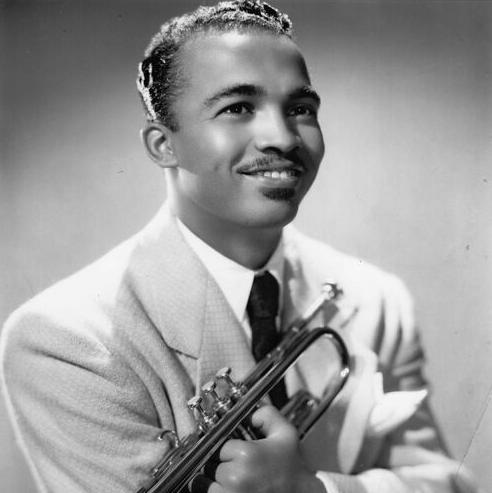
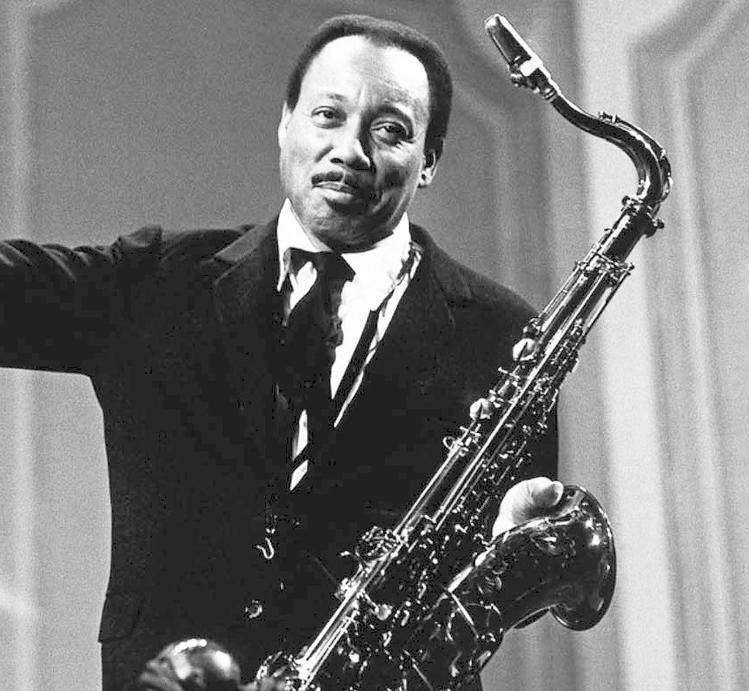
Wardell Gray’s Spotify BioWardell Gray was one of the top tenors to emerge during the bop era (along with Dexter Gordon and Teddy Edwards). His Lester Young-influenced tone made his playing attractive to swing musicians as well as younger modernists. He grew up in Detroit, playing in local bands as a teenager. Gray was with Earl Hines during 1943-1945, recording with him (1945). That same year, he moved to Los Angeles and he became a major part of the Central Avenue scene, having nightly tenor battles with Dexter Gordon; their recording of "The Chase" was popular. Gray recorded with Charlie Parker in 1947 and yet his style appealed to Benny Goodman, with whom he played the following year. Among his own sessions, his solos on "Twisted" (1949) and "Farmer's Market" (1952) were turned into memorable vocalese by Annie Ross a few years later. Back in New York, Gray played and recorded with Tadd Dameron and the Count Basie septet and big band (1950-1951); "Little Pony," his showcase with the Basie orchestra, is a… classic. Gray was featured on some Norman Granz jam sessions ("Apple Jam" has a particularly heated solo) and recorded with Louie Bellson (1952-1953). Ironically, Wardell Gray, who in the late '40s was an inspiration to some younger musicians due to his opposition to drug use, himself became involved in drugs and died mysteriously in Las Vegas on May 25, 1955, when he was just 34. ~ Scott Yanow, Rovi
Viberate is a music analytics platform built for A&Rs, artist managers, labels, booking agents, marketers, and artists.
It helps music professionals track artist growth, analyze audience data, monitor playlist activity, compare artists, follow song performance, and identify opportunities across the music market.
Public artist pages provide a free preview of selected artist data. Paid plans provide access to deeper analytics, historical data, charts, comparisons, playlist tools, exports, alerts, reports, and additional professional features.
Yes. Public Viberate artist pages provide selected artist analytics and music data for free.
Viberate also offers a 7-day free trial of the full platform. A credit card is required to start the trial. The trial includes access to the complete product so users can test deeper artist analytics, historical views, playlist insights, comparisons, charts, exports, alerts, and reporting features before choosing a paid plan.
Viberate provides artist analytics across streaming, playlists, social media, video, radio airplay, songs, and audience markets.
Users can analyze Spotify performance, Spotify and Apple Music playlists, YouTube activity, TikTok and Instagram growth, radio spins, song performance, audience locations, demographics, rankings, and overall artist momentum.
Artist profiles also connect to music charts, similar artists, and comparison tools, helping users benchmark performance and evaluate artists in context.
Viberate updates key artist and track data daily.
For followed artists and tracks, selected data is refreshed multiple times per day. This helps teams monitor playlist changes, streaming movement, audience growth, releases, and campaign performance with more current data.
Update frequency can vary depending on the metric and data source.
Yes. Viberate lets users compare up to five artists side by side across streaming, social media, audience, and engagement metrics.
Users can compare fanbase growth, audience demographics, locations, Spotify performance, social metrics, and other artist data over selected time periods.
Artist comparison can be used for A&R scouting, benchmarking, booking decisions, campaign planning, and evaluating artists with similar audiences or market positions.