Terry Gibbs

Jazz
Smooth Jazz
Big band Jazz
 Viberate Rank: 240122
 Viberate Rank: 240122
 Monthly ListenersFollowers
 Subscribers
 Followers
 Followers
 FansTop Spotify Songs
| Track | 7-Day Streams | |
|---|---|---|
1 | 807 | |
2 | 302 | |
3 | 132 | |
4 | 114 | |
5 | 96 |
Top YouTube VideosMonthly ListenersFeatured in Playlists| Playlist | Followers | |
|---|---|---|
1 |  Jazz Guitar Classics Spotify | 135.22K |
2 |  Twin Peaks Vibes 📺 maddie f | 36.93K |
3 |  Jazz Live & Loud Spotify | 18.76K |
4 | Christmas Jazz Raul Baltazar | 12.86K |
5 |  Fast Jazz! Filip Grbović | 10.84K |
Audience| City | Monthly Listeners | |
|---|---|---|
1 | | 54 |
2 | | 53 |
3 | | 52 |
4 |  | 48 |
5 |  | 45 |
See full performance history, audience data, playlist activity, rankings, comparisons, and more in Viberate music analytics. Start with a free trial, then continue with a paid plan.
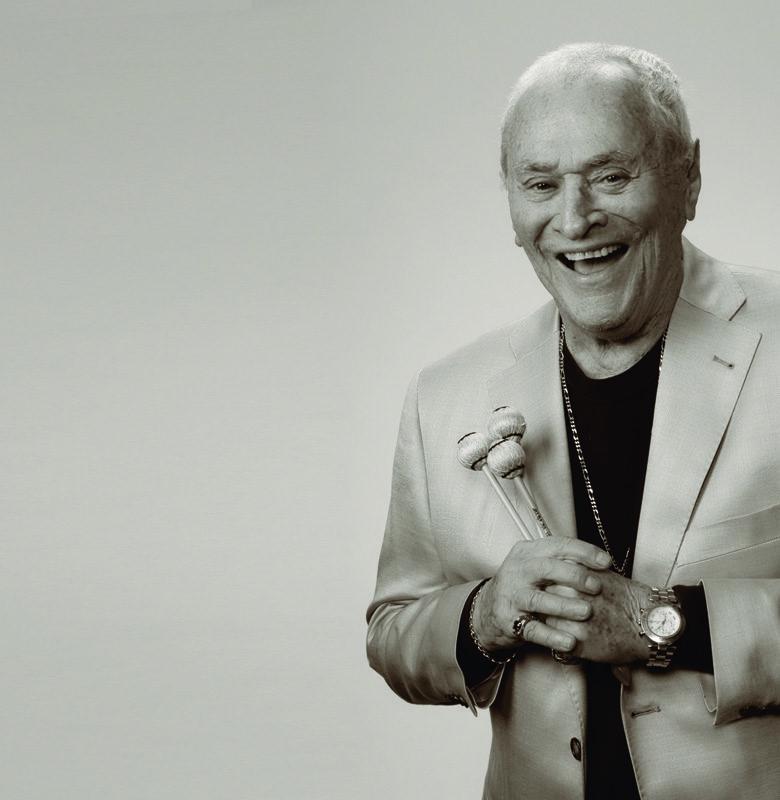
Terry Gibbs’ Spotify BioOne of the most hyper of all jazzmen (even his ballads are taken mostly double time), Terry Gibbs is a consistently exciting and competitive vibraphonist. As a xylophonist, he won an amateur contest when he was 12. After spending three years in the military during World War II, Gibbs played on 52nd Street, gigged with Tommy Dorsey (1946 and 1948), Chubby Jackson (touring Scandinavia during 1947-1948), Buddy Rich (1948), Woody Herman's Second Herd (1948-1949), and Benny Goodman (1950-1952). Gibbs settled in Los Angeles in 1957, worked in the studios, led jazz orchestras (his late-'50s version was called the Terry Gibbs Dream Band), was the musical director of The Steve Allen Show during the 1960s, and in the 1980s and '90s he teamed up in a quintet with Buddy DeFranco. Gibbs -- who recorded as a leader for Prestige, Savoy, Brunswick, EmArcy, Mercury, Verve, Time, Impulse, Dot, Xanadu, Jazz a La Carte, and Contemporary (among others) -- had such fine pianists as his sidemen through the… years as Terry Pollard, Pete Jolly (on accordion in 1957), Alice McLeod (in 1963 before she became Alice Coltrane), and John Campbell. ~ Scott Yanow, Rovi
Viberate is a music analytics platform built for A&Rs, artist managers, labels, booking agents, marketers, and artists.
It helps music professionals track artist growth, analyze audience data, monitor playlist activity, compare artists, follow song performance, and identify opportunities across the music market.
Public artist pages provide a free preview of selected artist data. Paid plans provide access to deeper analytics, historical data, charts, comparisons, playlist tools, exports, alerts, reports, and additional professional features.
Yes. Public Viberate artist pages provide selected artist analytics and music data for free.
Viberate also offers a 7-day free trial of the full platform. A credit card is required to start the trial. The trial includes access to the complete product so users can test deeper artist analytics, historical views, playlist insights, comparisons, charts, exports, alerts, and reporting features before choosing a paid plan.
Viberate provides artist analytics across streaming, playlists, social media, video, radio airplay, songs, and audience markets.
Users can analyze Spotify performance, Spotify and Apple Music playlists, YouTube activity, TikTok and Instagram growth, radio spins, song performance, audience locations, demographics, rankings, and overall artist momentum.
Artist profiles also connect to music charts, similar artists, and comparison tools, helping users benchmark performance and evaluate artists in context.
Viberate updates key artist and track data daily.
For followed artists and tracks, selected data is refreshed multiple times per day. This helps teams monitor playlist changes, streaming movement, audience growth, releases, and campaign performance with more current data.
Update frequency can vary depending on the metric and data source.
Yes. Viberate lets users compare up to five artists side by side across streaming, social media, audience, and engagement metrics.
Users can compare fanbase growth, audience demographics, locations, Spotify performance, social metrics, and other artist data over selected time periods.
Artist comparison can be used for A&R scouting, benchmarking, booking decisions, campaign planning, and evaluating artists with similar audiences or market positions.