Howard McGhee

Jazz
Bebop
Jazz Fusion
 Viberate Rank: 234687
 Viberate Rank: 234687
 Monthly ListenersFollowers
 Subscribers
 Followers
 Followers
 FansTop Spotify Songs
| Track | 7-Day Streams | |
|---|---|---|
1 | 1.08K | |
2 | 526 | |
3 | 510 | |
4 | 510 | |
5 | 510 |
Top YouTube VideosMonthly ListenersFeatured in Playlists| Playlist | Followers | |
|---|---|---|
1 |  Jazz Trumpet Spotify | 92.99K |
2 |  BeBop Jazz Essentials raúlmoreno | 22.02K |
3 |  Hard Bop Jazz Mark Noordzij | 20.45K |
4 |  NOIR JAZZ Public Stores | 12.76K |
5 |  Midnight Jazz Bar 🍸 by Don's Tunes Don's Tunes | 11.61K |
Audience| City | Monthly Listeners | |
|---|---|---|
1 |  | 86 |
2 |  | 73 |
3 | | 65 |
4 | | 58 |
5 | | 51 |
See full performance history, audience data, playlist activity, rankings, comparisons, and more in Viberate music analytics. Start with a free trial, then continue with a paid plan.
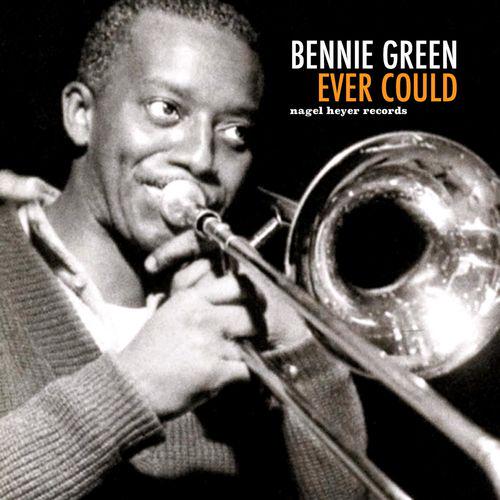
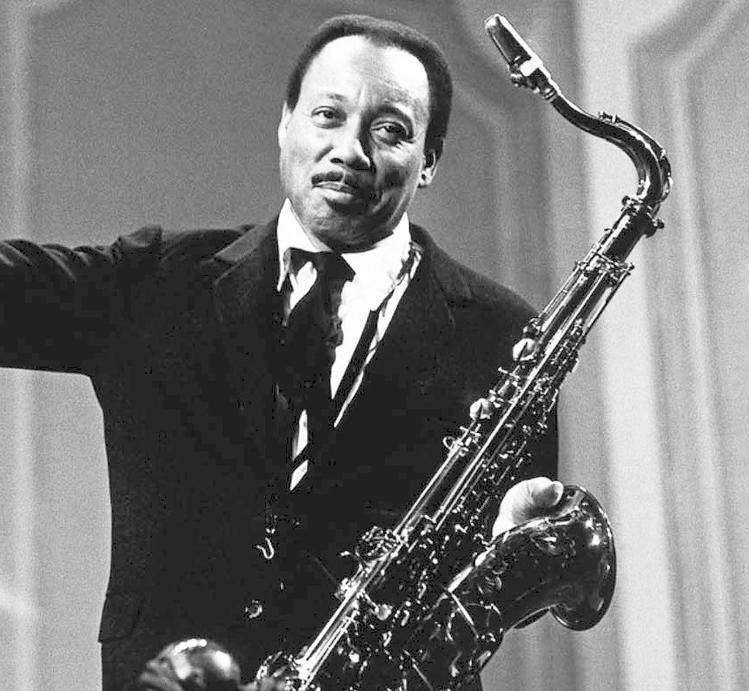
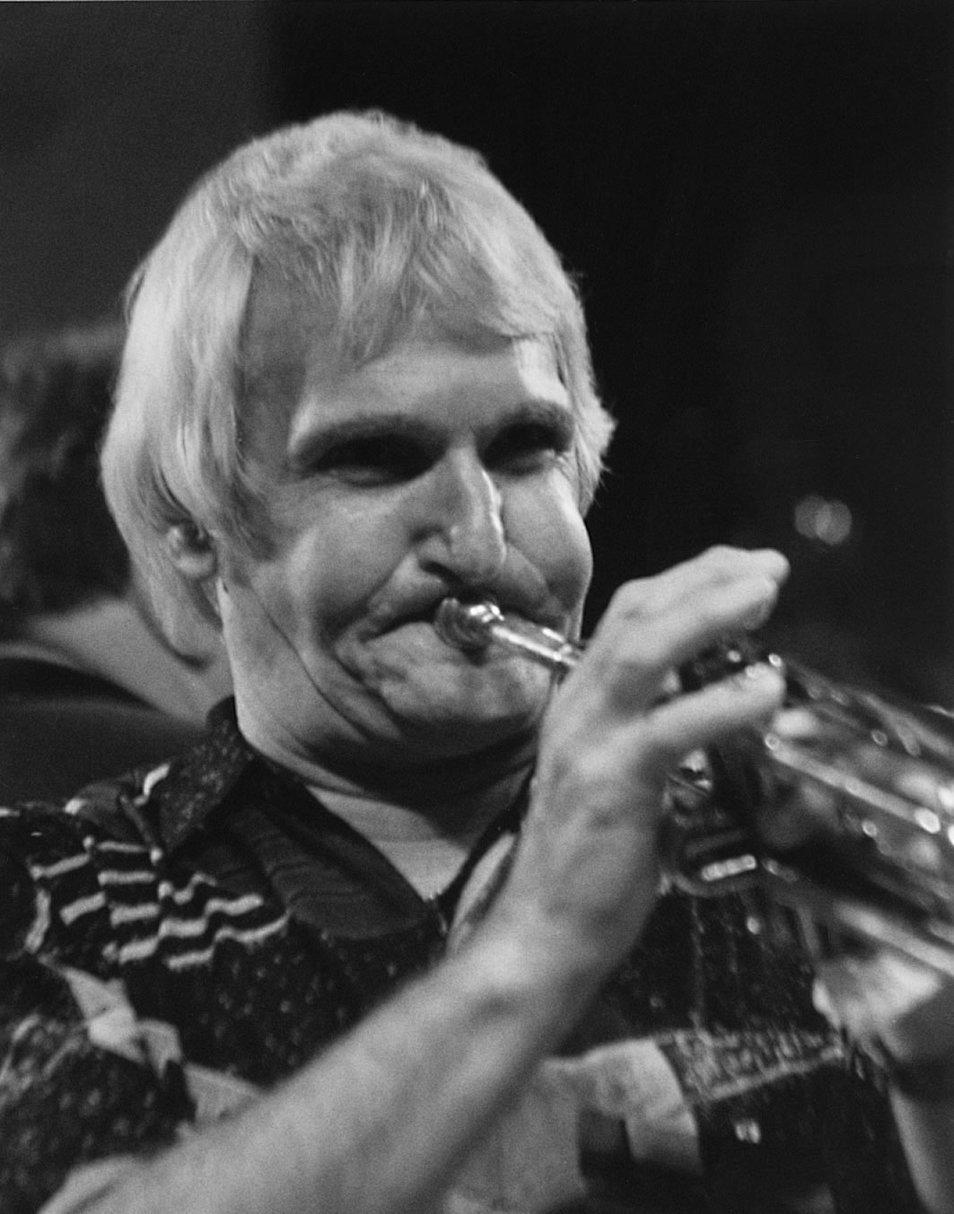
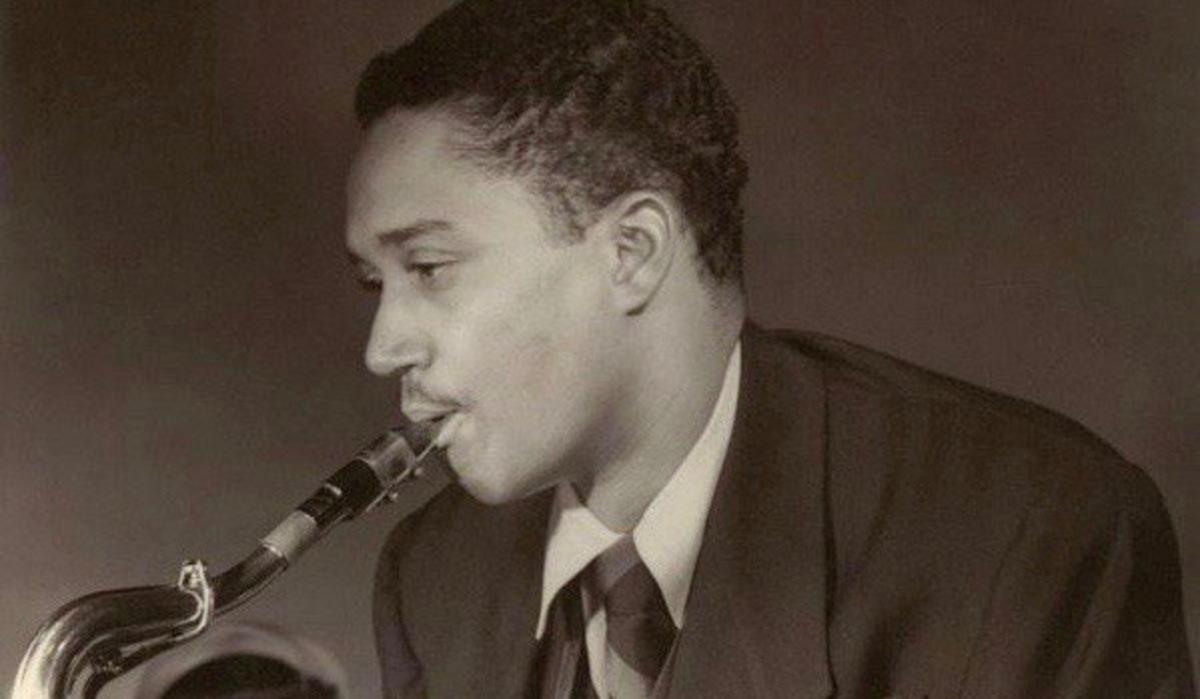
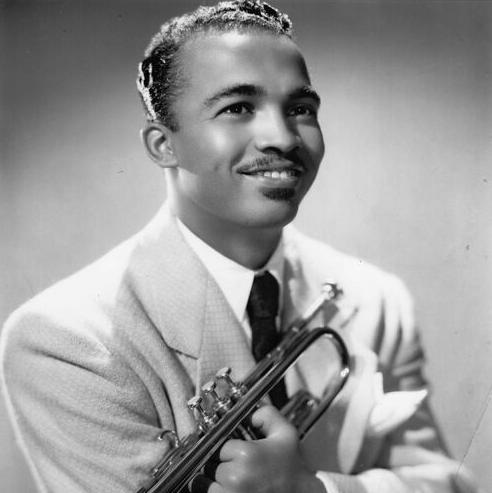
Howard McGhee’s Spotify BioDuring 1945-1949, Howard McGhee was one of the finest trumpeters in jazz, an exciting performer with a sound of his own, who among the young bop players, ranked at the top with Dizzy Gillespie and Fats Navarro. The "missing link" between Roy Eldridge and Fats Navarro (Navarro influenced Clifford Brown who influenced most of the post-1955 trumpeters), McGhee originally played clarinet and tenor, not taking up trumpet until he was 17. He worked in territory bands, was with Lionel Hampton in 1941, and then joined Andy Kirk (1941-1942), being featured on "McGhee Special." McGhee participated in the fabled bop sessions at Minton's Playhouse and Monroe's Uptown House, modernizing his style away from Roy Eldridge and towards Dizzy Gillespie. He was with Charlie Barnet (1942-1943), returned to Kirk (where he sat next to Fats Navarro in the trumpet section), and had brief stints with Georgie Auld and Count Basie before traveling to California with Coleman Hawkins in 1945; their concise… recordings of swing-to-bop transitional music (including "Stuffy," "Rifftide," and "Hollywood Stampede") are classic. McGhee stayed in California into 1947, playing with Jazz at the Philharmonic, recording and gigging with Charlie Parker (including the ill-fated "Lover Man" date) and having an influence on young players out on the Coast. His Dial sessions were among the most exciting recordings of his career, and back in New York he recorded for Savoy and had a historic meeting on record with Navarro in 1948 on Blue Note.
Eventually, drugs began to affect McGhee's career. He traveled on a USO tour during the Korean War, recording in Guam. McGhee also had sessions for Bethlehem (1955-1956) but was inactive during much of the '50s. He recorded some strong dates for Felsted, Bethlehem, Contemporary, and Black Lion during 1960-1961, and on a quartet outing for United Artists (1962), but (with the exception of a Hep big band date in 1966) was largely off records again until 1976. He had a final burst of activity during 1976-1979 for Sonet, SteepleChase, Jazzcraft, Zim, and Storyville, but by then, McGhee was largely forgotten and few knew about his link to Fats Navarro and Clifford Brown. ~ Scott Yanow, Rovi
Viberate is a music analytics platform built for A&Rs, artist managers, labels, booking agents, marketers, and artists.
It helps music professionals track artist growth, analyze audience data, monitor playlist activity, compare artists, follow song performance, and identify opportunities across the music market.
Public artist pages provide a free preview of selected artist data. Paid plans provide access to deeper analytics, historical data, charts, comparisons, playlist tools, exports, alerts, reports, and additional professional features.
Yes. Public Viberate artist pages provide selected artist analytics and music data for free.
Viberate also offers a 7-day free trial of the full platform. A credit card is required to start the trial. The trial includes access to the complete product so users can test deeper artist analytics, historical views, playlist insights, comparisons, charts, exports, alerts, and reporting features before choosing a paid plan.
Viberate provides artist analytics across streaming, playlists, social media, video, radio airplay, songs, and audience markets.
Users can analyze Spotify performance, Spotify and Apple Music playlists, YouTube activity, TikTok and Instagram growth, radio spins, song performance, audience locations, demographics, rankings, and overall artist momentum.
Artist profiles also connect to music charts, similar artists, and comparison tools, helping users benchmark performance and evaluate artists in context.
Viberate updates key artist and track data daily.
For followed artists and tracks, selected data is refreshed multiple times per day. This helps teams monitor playlist changes, streaming movement, audience growth, releases, and campaign performance with more current data.
Update frequency can vary depending on the metric and data source.
Yes. Viberate lets users compare up to five artists side by side across streaming, social media, audience, and engagement metrics.
Users can compare fanbase growth, audience demographics, locations, Spotify performance, social metrics, and other artist data over selected time periods.
Artist comparison can be used for A&R scouting, benchmarking, booking decisions, campaign planning, and evaluating artists with similar audiences or market positions.