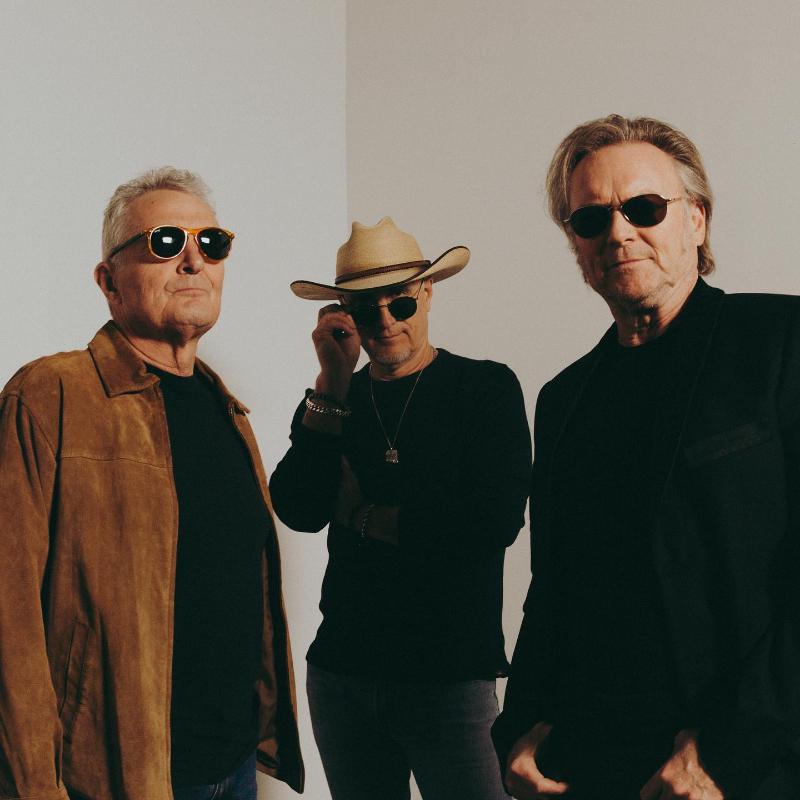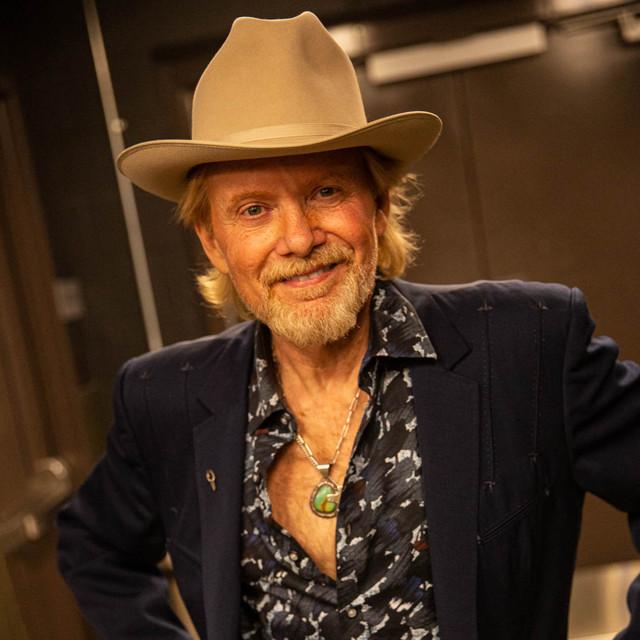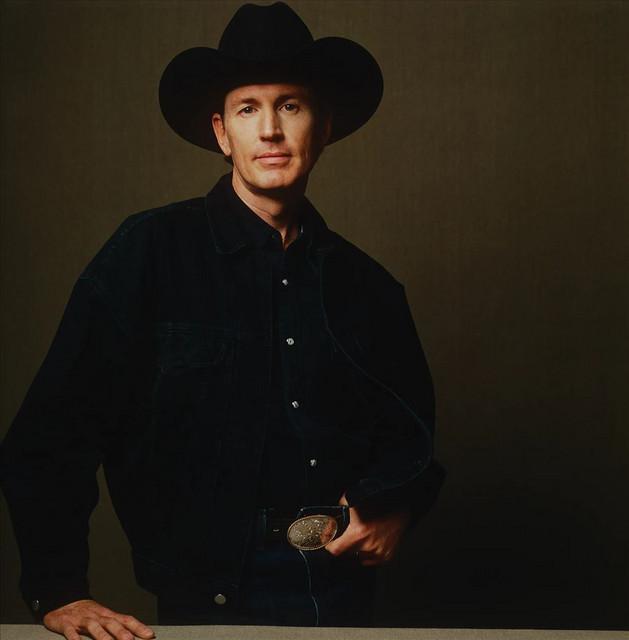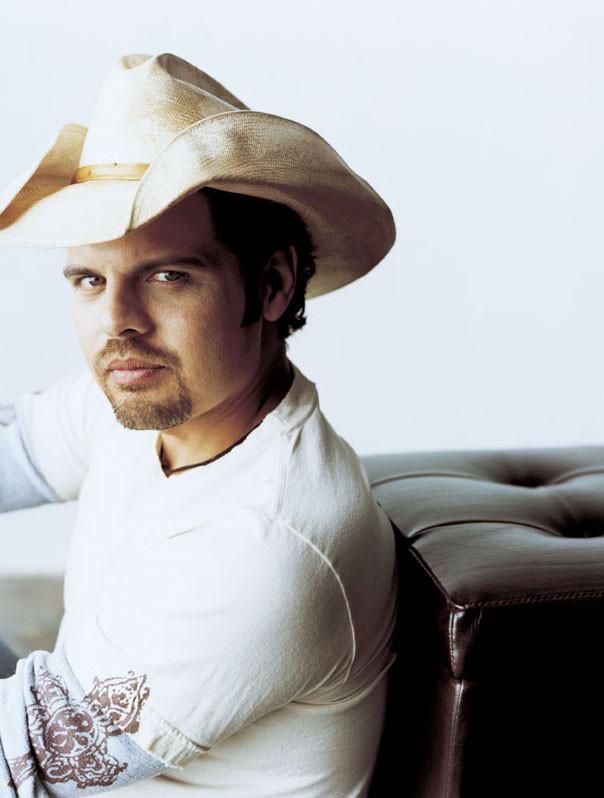
Rick Trevino

Country
Contemporary Country
Other Latin Music
 Viberate Rank: 66688
 Viberate Rank: 66688
 Monthly ListenersFollowers
 Subscribers
 Followers
 Followers
 FansTop Spotify Songs
| Track | 7-Day Streams | |
|---|---|---|
1 | 33.07K | |
2 | 26.82K | |
3 | 21.95K | |
4 | 14.14K | |
5 | 9.81K |
Top YouTube Videos| Video | 7-Day Views | |
|---|---|---|
1 | 9.08K | |
2 | 5.35K | |
3 | 5.27K | |
4 | 5.12K | |
5 | 2.86K |
Monthly ListenersFeatured in Playlists| Playlist | Followers | |
|---|---|---|
1 | 80s/90s Country Hits Countrymusic_07 | 73.52K |
2 | 90s Country Michael Vines | 60.19K |
3 | Greatest Love Songs of All Time gregory9102 | 33.64K |
4 |  Best of 2000’s Country Cole Stauss | 23.54K |
5 |  MUSICA COUNTRY en ESPAÑOL 🤠 🇧🇷 Paolinho Fernandes🇵🇹🇦🇴 | 19.96K |
Audience| City | Monthly Listeners | |
|---|---|---|
1 | | 5.39K |
2 | | 4.43K |
3 | | 4.28K |
4 | | 3.54K |
5 | | 2.43K |
See full performance history, audience data, playlist activity, rankings, comparisons, and more in Viberate music analytics. Start with a free trial, then continue with a paid plan.
Rick Trevino’s Spotify BioDuring the mid-'90s, Rick Trevino emerged as one of the first popular Hispanic singers in country music since the mid-'70s, when Freddy Fender and Johnny Rodriguez were having hits. Beginning with "She Can't Say I Didn't Cry" in 1994, Trevino racked up several hits over the next few years with his Garth Brooks-inspired blend of new country and album rock.
Trevino was born into a musical family -- his father was a member of a local Tejano group. Both of his parents fostered his musical interests, and as a child, he listened to a variety of music, including Tejano, country, classical pianist Van Cliburn, and mainstream pop/rockers like Elton John and Billy Joel. Soon, he was taking classical piano lessons and studying the clarinet. After graduating from high school, he was offered a baseball scholarship to Memphis State University, but he declined the offer to study music.
In 1993, he released his first album, the Spanish-language Dos Mundos. It was accompanied by a single release of "Just… Enough Rope," which was released in English, Spanish, and a bilingual version; it was the first traditional country single to be released in both Spanish and English. The English version was a moderate hit, reaching number 44. In 1994, Trevino released an eponymous album, which featured English versions of most of the songs from Dos Mundos, plus a few new cuts. Rick Trevino became a hit, producing the Top 40 "Honky Tonk Crowd" and the Top Ten singles "She Can't Say I Didn't Cry" and "Doctor Time."
Trevino's second album, Looking for the Light, was released in 1995; it was accompanied by a Spanish version. Like its predecessor, Looking for the Light was a hit, albeit not as big as the debut -- it only spawned one Top 40 hit, the number six "Bobbie Ann Mason." Learning as You Go, Trevino's third album, was released in 1996; Changing in Your Eyes followed two years later, and Mi Son was released in spring 2001. ~ Stephen Thomas Erlewine, Rovi
Viberate is a music analytics platform built for A&Rs, artist managers, labels, booking agents, marketers, and artists.
It helps music professionals track artist growth, analyze audience data, monitor playlist activity, compare artists, follow song performance, and identify opportunities across the music market.
Public artist pages provide a free preview of selected artist data. Paid plans provide access to deeper analytics, historical data, charts, comparisons, playlist tools, exports, alerts, reports, and additional professional features.
Yes. Public Viberate artist pages provide selected artist analytics and music data for free.
Viberate also offers a 7-day free trial of the full platform. A credit card is required to start the trial. The trial includes access to the complete product so users can test deeper artist analytics, historical views, playlist insights, comparisons, charts, exports, alerts, and reporting features before choosing a paid plan.
Viberate provides artist analytics across streaming, playlists, social media, video, radio airplay, songs, and audience markets.
Users can analyze Spotify performance, Spotify and Apple Music playlists, YouTube activity, TikTok and Instagram growth, radio spins, song performance, audience locations, demographics, rankings, and overall artist momentum.
Artist profiles also connect to music charts, similar artists, and comparison tools, helping users benchmark performance and evaluate artists in context.
Viberate updates key artist and track data daily.
For followed artists and tracks, selected data is refreshed multiple times per day. This helps teams monitor playlist changes, streaming movement, audience growth, releases, and campaign performance with more current data.
Update frequency can vary depending on the metric and data source.
Yes. Viberate lets users compare up to five artists side by side across streaming, social media, audience, and engagement metrics.
Users can compare fanbase growth, audience demographics, locations, Spotify performance, social metrics, and other artist data over selected time periods.
Artist comparison can be used for A&R scouting, benchmarking, booking decisions, campaign planning, and evaluating artists with similar audiences or market positions.