Lee Roy Parnell

Country
Contemporary Country
 Viberate Rank: 60554
 Viberate Rank: 60554
 Monthly ListenersFollowers
 Subscribers
 Followers
 Followers
 FansTop Spotify Songs
| Track | 7-Day Streams | |
|---|---|---|
1 | 34.32K | |
2 | 10.83K | |
3 | 7.80K | |
4 | 6.74K | |
5 | 3.56K |
Top YouTube VideosMonthly ListenersFeatured in Playlists| Playlist | Followers | |
|---|---|---|
1 |  New Country 2026 Travis James | 82.66K |
2 | 80s/90s Country Hits Countrymusic_07 | 73.52K |
3 | Mat Young | 67.68K |
4 | 90s Country Michael Vines | 60.19K |
5 |  Country's Greatest Hits 🤠 (70s, 80s, & 90s) susie & tad emerick | 40.84K |
Audience| City | Monthly Listeners | |
|---|---|---|
1 | | 3.89K |
2 | | 2.62K |
3 | | 2.23K |
4 | | 2.13K |
5 | | 1.89K |
See full performance history, audience data, playlist activity, rankings, comparisons, and more in Viberate music analytics. Start with a free trial, then continue with a paid plan.
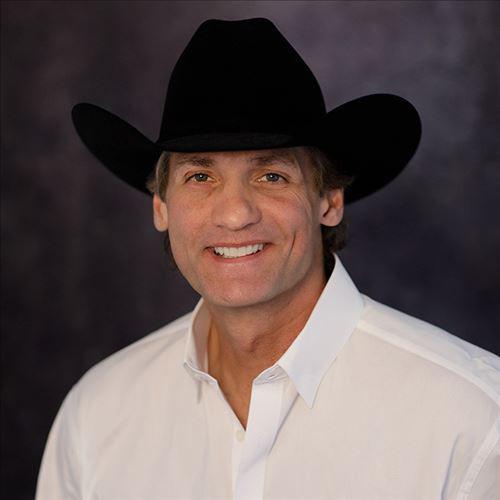
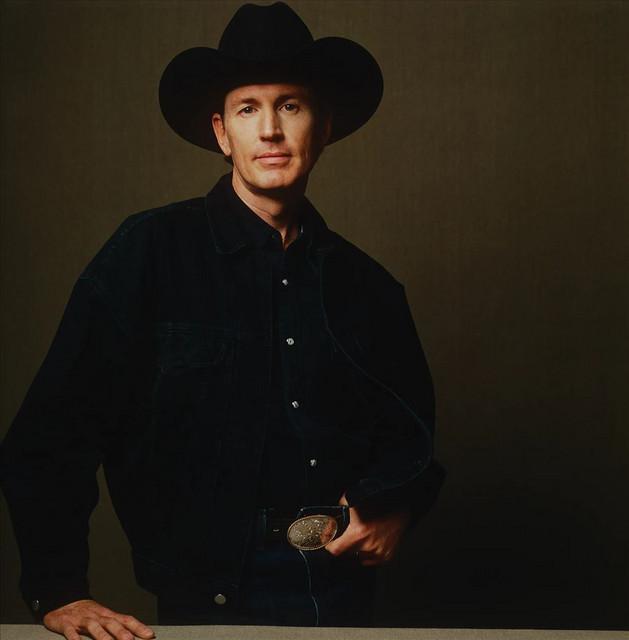
Lee Roy Parnell’s Spotify BioPart of a long line of Texas roots music eclectics, Lee Roy Parnell's music was a blend of hardcore honky tonk, barroom rock & roll, blues, boogie, Western swing, blue-eyed soul, and occasional gospel. Unlike many other hard-to-pigeonhole artists, Parnell actually enjoyed a run of success on the country charts in the early '90s. He was born in Abilene, Texas, on December 21, 1956, and grew up on his parents' ranch; his father had toured with a teenage Bob Wills in traveling medicine shows, and his first public performance came on Wills' radio show at age six. As a teenager, he played drums in a local band and soon picked up guitar as well, eventually concentrating on slide playing. He joined Kinky Friedman's Texas Jewboys in his late teens and moved to Austin in 1974 to join the city's budding music scene.
Parnell spent over a decade playing clubs in Austin, Houston, and Dallas/Fort Worth, honing his style and songwriting; he also married and held down a day job in radio. He moved to… Nashville in 1987 and quickly landed a publishing contract and a regular spot at the famed Bluebird Café. He signed to Arista's Nashville division in 1989 and the next year released his self-titled debut album, a collection of horn-driven country-soul. It received good reviews but didn't break him commercially; that would happen with 1992's Love Without Mercy, which mostly dispensed with the horns and emphasized Parnell's slide guitar. "What Kind of Fool Do You Think I Am" and "Tender Moment" both went to number two on the country charts, and the title track also made the Top Ten. Released in 1993, On the Road produced two more Top Tens in its title track and "I'm Holding My Own," and his duet with Ronnie Dunn (of Brooks & Dunn) on Hank Williams' "Take These Chains from My Heart" made the Top 20.
Arriving in 1995, We All Get Lucky Sometimes found Parnell tailoring his sound to country radio a bit more and featured duets with Trisha Yearwood, Mary Chapin Carpenter, and Tex-Mex accordionist Flaco Jimenez. It also spawned two Top Five hits in "A Little Bit of You" and "Heart's Desire." However, 1997's commercially disappointing Every Night's a Saturday Night proved to be Parnell's last new album for Arista, which issued the compilation Hits and Highways Ahead in 1999 to coincide with his departure. Parnell next wound up on the rootsy Vanguard label, debuting for them with 2001's Tell the Truth. He returned to the studio in 2006 with Back to the Well, which hit number ten on Billboard's blues chart. Parnell took a decade-plus hiatus after Back to the Well, finally returning to action in August 2017 with Midnight Believer. ~ Steve Huey, Rovi
Viberate is a music analytics platform built for A&Rs, artist managers, labels, booking agents, marketers, and artists.
It helps music professionals track artist growth, analyze audience data, monitor playlist activity, compare artists, follow song performance, and identify opportunities across the music market.
Public artist pages provide a free preview of selected artist data. Paid plans provide access to deeper analytics, historical data, charts, comparisons, playlist tools, exports, alerts, reports, and additional professional features.
Yes. Public Viberate artist pages provide selected artist analytics and music data for free.
Viberate also offers a 7-day free trial of the full platform. A credit card is required to start the trial. The trial includes access to the complete product so users can test deeper artist analytics, historical views, playlist insights, comparisons, charts, exports, alerts, and reporting features before choosing a paid plan.
Viberate provides artist analytics across streaming, playlists, social media, video, radio airplay, songs, and audience markets.
Users can analyze Spotify performance, Spotify and Apple Music playlists, YouTube activity, TikTok and Instagram growth, radio spins, song performance, audience locations, demographics, rankings, and overall artist momentum.
Artist profiles also connect to music charts, similar artists, and comparison tools, helping users benchmark performance and evaluate artists in context.
Viberate updates key artist and track data daily.
For followed artists and tracks, selected data is refreshed multiple times per day. This helps teams monitor playlist changes, streaming movement, audience growth, releases, and campaign performance with more current data.
Update frequency can vary depending on the metric and data source.
Yes. Viberate lets users compare up to five artists side by side across streaming, social media, audience, and engagement metrics.
Users can compare fanbase growth, audience demographics, locations, Spotify performance, social metrics, and other artist data over selected time periods.
Artist comparison can be used for A&R scouting, benchmarking, booking decisions, campaign planning, and evaluating artists with similar audiences or market positions.