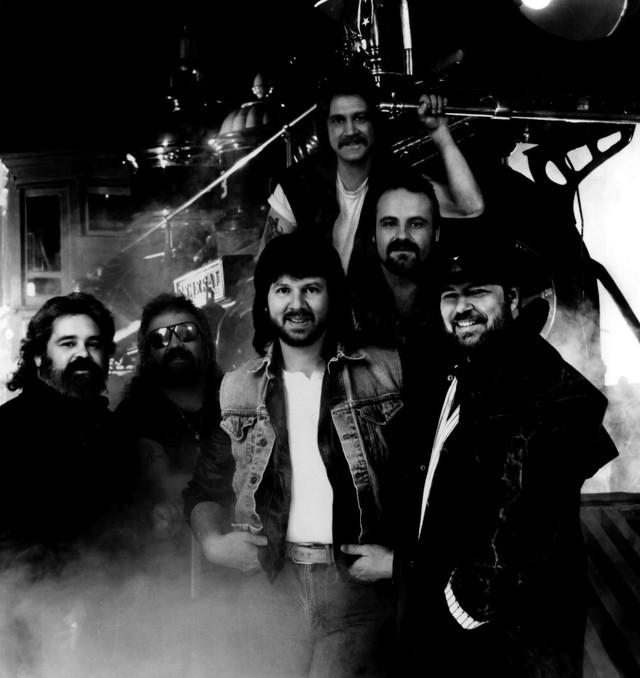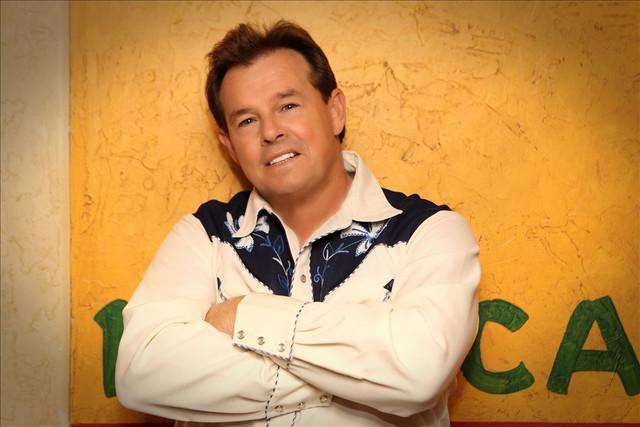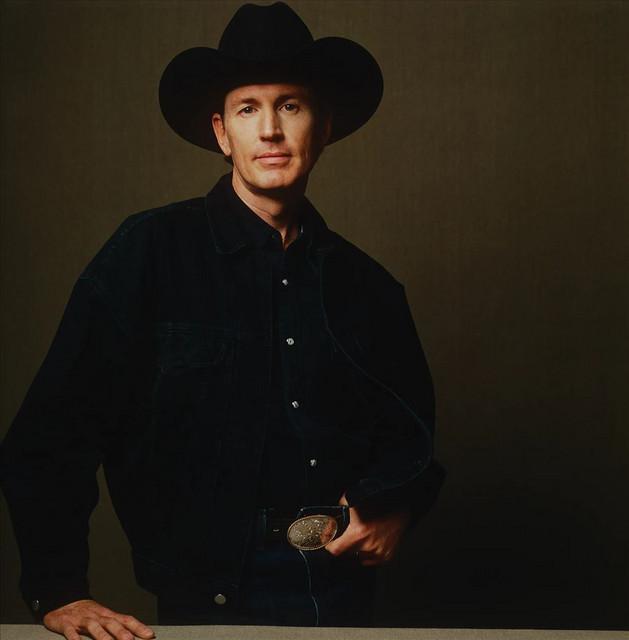
David Ball

Country
Contemporary Country
Americana/Alt Country
 Viberate Rank: 34860
 Viberate Rank: 34860
 Monthly ListenersFollowers
 Subscribers
 Followers
 Followers
 FansTop Spotify Songs
| Track | 7-Day Streams | |
|---|---|---|
1 | 190.62K | |
2 | 120.22K | |
3 | 51.94K | |
4 | 29.19K | |
5 | 5.42K |
Top YouTube Videos| Video | 7-Day Views | |
|---|---|---|
1 | 28.71K | |
2 | 27.01K | |
3 | 16.46K | |
4 | 11.72K | |
5 | 2.18K |
Monthly ListenersFeatured in Playlists| Playlist | Followers | |
|---|---|---|
1 |  90s Country Spotify | 2.29M |
2 |  2000s Country Spotify | 1.01M |
3 |  American Made Spotify | 275.44K |
4 |  90's Country (Top 100) aly.matthews16 | 193.28K |
5 |  Greatest 90's Country 🤠 🪕👢 pelox0318 | 92.69K |
Audience| City | Monthly Listeners | |
|---|---|---|
1 | | 17.26K |
2 | | 12.06K |
3 | | 12.03K |
4 | | 9.98K |
5 | | 9.59K |
See full performance history, audience data, playlist activity, rankings, comparisons, and more in Viberate music analytics. Start with a free trial, then continue with a paid plan.
David Ball’s Spotify BioDavid grew up in Spartanburg, SC where he learned to play guitar but later honed his skills on the upright bass, which led to a gig playing bass in Uncle Walt’s Band, credited as the first Americana act. The legendary trio was headed by Walter Hyatt and also included Champ Hood. A first-ever compilation, titled Anthology: Those Boys From Carolina, They Sure Enough Could Sing, was released by Omnivore Recordings, March 2018.
Fourteen of his singles have entered the Billboard charts, including “Riding With Private Malone,” which made Ball one of the first artists to take an indie single to the Country Top 5. The Thinkin’ Problem album was certified platinum & the title track was the top selling country song of 1994.
Austin Chronicle: “...he glides between swing, honky-tonk, blues, and even a touch of Tex-Mex with the ease of George Strait, the difference being Ball composes his own material.”
In late Fall 2018, Ball released his 10th studio album, Come See Me. Recorded at his home in… Franklin, TN, David describes the music this way: “This is melodic, hooky country music, the kind I grew up on. It’s fun to listen to. This is under-produced, non-corporate country music.” (If you like: Willie's "Red Headed Stranger" or Cash's debut Rick Rubin-produced album.)
Celebrating the 25th anniversary of Thinkin' Problem, Omnivore Recordings has reissued the landmark album, fully remastered featuring seven previously unissued tracks.
Find it all on www.davidball.com
Viberate is a music analytics platform built for A&Rs, artist managers, labels, booking agents, marketers, and artists.
It helps music professionals track artist growth, analyze audience data, monitor playlist activity, compare artists, follow song performance, and identify opportunities across the music market.
Public artist pages provide a free preview of selected artist data. Paid plans provide access to deeper analytics, historical data, charts, comparisons, playlist tools, exports, alerts, reports, and additional professional features.
Yes. Public Viberate artist pages provide selected artist analytics and music data for free.
Viberate also offers a 7-day free trial of the full platform. A credit card is required to start the trial. The trial includes access to the complete product so users can test deeper artist analytics, historical views, playlist insights, comparisons, charts, exports, alerts, and reporting features before choosing a paid plan.
Viberate provides artist analytics across streaming, playlists, social media, video, radio airplay, songs, and audience markets.
Users can analyze Spotify performance, Spotify and Apple Music playlists, YouTube activity, TikTok and Instagram growth, radio spins, song performance, audience locations, demographics, rankings, and overall artist momentum.
Artist profiles also connect to music charts, similar artists, and comparison tools, helping users benchmark performance and evaluate artists in context.
Viberate updates key artist and track data daily.
For followed artists and tracks, selected data is refreshed multiple times per day. This helps teams monitor playlist changes, streaming movement, audience growth, releases, and campaign performance with more current data.
Update frequency can vary depending on the metric and data source.
Yes. Viberate lets users compare up to five artists side by side across streaming, social media, audience, and engagement metrics.
Users can compare fanbase growth, audience demographics, locations, Spotify performance, social metrics, and other artist data over selected time periods.
Artist comparison can be used for A&R scouting, benchmarking, booking decisions, campaign planning, and evaluating artists with similar audiences or market positions.