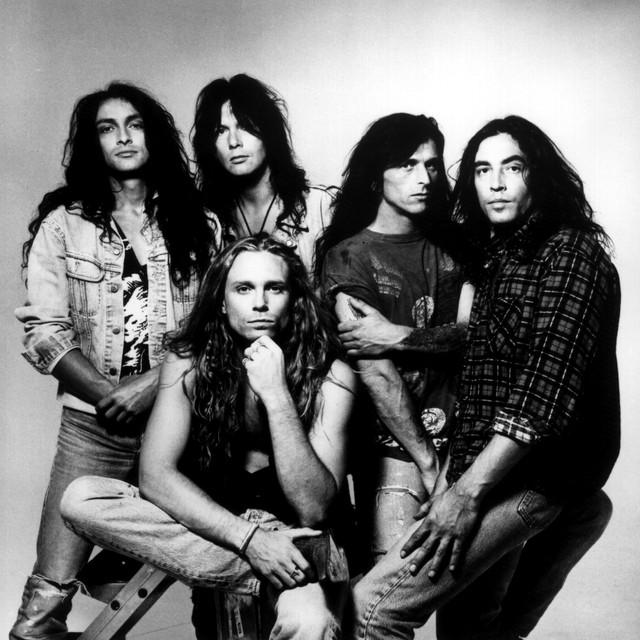
Vince Neil

Rock
Hard Rock
Glam Metal
 Viberate Rank: 34328
 Viberate Rank: 34328
 Monthly ListenersFollowers
 Subscribers
 Followers
 Followers
 FansTop Spotify Songs
| Track | 7-Day Streams | |
|---|---|---|
1 | 27.30K | |
2 | 20.26K | |
3 | 18.67K | |
4 | 6.59K | |
5 | 5.99K |
Top YouTube VideosMonthly ListenersFeatured in Playlists| Playlist | Followers | |
|---|---|---|
1 | Covers (that are better than the originals) JTG | 208.99K |
2 |  New Country 2026 Travis James | 82.67K |
3 |  80’s Hair Metal & Rock halun1 | 40.35K |
4 |  Greatest. Covers. Ever. Beth | 29.24K |
5 |  This Is Justin Moore Spotify | 23.92K |
Audience| City | Monthly Listeners | |
|---|---|---|
1 |  | 1.88K |
2 | | 1.68K |
3 | | 1.53K |
4 |  | 1.52K |
5 |  | 1.43K |
See full performance history, audience data, playlist activity, rankings, comparisons, and more in Viberate music analytics. Start with a free trial, then continue with a paid plan.
Vince Neil’s Spotify Bio"I told them about you bro. They saw you and they're stoked," admitted Mötley Crüe drummer Tommy Lee to future lead vocalist Vince Neil the night the band came out to see the bleached blonde singer perform with his band Rock Candy at the famed Hollywood nightclub Starwood. Neil, however, was apprehensive at first, as he was very happy with his current band, but agreed to an audition the next weekend in order to not hurt Lee's feelings. The singer was quickly ushered into the band, and for the next decade the Crüe embarked on a heavy metal odyssey full of music, mayhem, and four consecutive multi-platinum albums.
Born Vince Neil Wharton on February 8, 1961, in Hollywood, CA, Neil was the focal point of the band with his long blonde hair and screeching vocal style. While not a schooled vocalist, Neil definitely looked the part. Born and raised in the Los Angeles area, he epitomized the carefree California "surfer dude" image, which was, at the time, the ideal persona for a heavy metal… frontman (à la David Lee Roth).
After Neil joined Mötley Crüe in 1981, the band recorded the self-produced album Too Fast for Love, which attracted the attention of Elektra Records' Tom Zutaut. They were subsequently signed and in 1983 released their major-label debut, Shout at the Devil, which went on to become a multi-platinum smash and launched the band into superstardom. Unfortunately, after the ensuing tour to support the album with Ozzy Osbourne, Neil was involved in a serious alcohol-related car accident in Redondo Beach, CA. The singer, who was driving drunk, skidded into an oncoming car, killing his passenger, Hanoi Rocks' drummer Nicolas "Razzle" Dingley, and seriously injuring the two passengers in the other vehicle. Neil avoided prison and was sent to a drug and alcohol rehabilitation clinic and ordered to pay damages to the victims.
Despite the accident, Mötley Crüe pressed on and released 1985's Theatre of Pain, which quickly went multi-platinum, as did 1987's Girls, Girls, Girls and 1989's Dr. Feelgood, an album that became the band's biggest success. Following the massive tour to support Dr. Feelgood, Neil was fired from the band. As to why he was fired is up to different interpretations from different bandmembers. As a result, the singer embarked on a semi-successful solo career, teaming up with former Billy Idol guitarist Steve Stevens on 1993's Exposed, which sold respectably. In 1995, Neil released the Dust Brothers-produced Carved in Stone, which failed to live up to expectations. Mötley Crüe also failed to recapture their '80s success with their 1994 self-titled album, and asked Neil to rejoin the band in 1997.
Released in 1997, Generation Swine saw the band reunited with Neil in a lineup also featuring original members guitarist Mick Mars, bassist Nikki Sixx, and drummer Tommy Lee. This lineup would not last long, however, as Tommy Lee would leave the band in 1999. Following yet another departure, the band released New Tattoo in 2000. Neil ventured into reality television in 2003 as a cast member on VH1’s first season of The Surreal Life. That same year he released Live at the Whisky: One Night Only. His third solo album, Tattoos & Tequila, arrived in 2010. ~ Eric Linden, Rovi
Viberate is a music analytics platform built for A&Rs, artist managers, labels, booking agents, marketers, and artists.
It helps music professionals track artist growth, analyze audience data, monitor playlist activity, compare artists, follow song performance, and identify opportunities across the music market.
Public artist pages provide a free preview of selected artist data. Paid plans provide access to deeper analytics, historical data, charts, comparisons, playlist tools, exports, alerts, reports, and additional professional features.
Yes. Public Viberate artist pages provide selected artist analytics and music data for free.
Viberate also offers a 7-day free trial of the full platform. A credit card is required to start the trial. The trial includes access to the complete product so users can test deeper artist analytics, historical views, playlist insights, comparisons, charts, exports, alerts, and reporting features before choosing a paid plan.
Viberate provides artist analytics across streaming, playlists, social media, video, radio airplay, songs, and audience markets.
Users can analyze Spotify performance, Spotify and Apple Music playlists, YouTube activity, TikTok and Instagram growth, radio spins, song performance, audience locations, demographics, rankings, and overall artist momentum.
Artist profiles also connect to music charts, similar artists, and comparison tools, helping users benchmark performance and evaluate artists in context.
Viberate updates key artist and track data daily.
For followed artists and tracks, selected data is refreshed multiple times per day. This helps teams monitor playlist changes, streaming movement, audience growth, releases, and campaign performance with more current data.
Update frequency can vary depending on the metric and data source.
Yes. Viberate lets users compare up to five artists side by side across streaming, social media, audience, and engagement metrics.
Users can compare fanbase growth, audience demographics, locations, Spotify performance, social metrics, and other artist data over selected time periods.
Artist comparison can be used for A&R scouting, benchmarking, booking decisions, campaign planning, and evaluating artists with similar audiences or market positions.