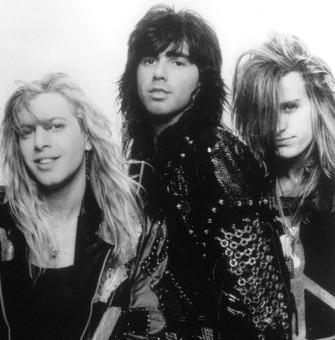
XYZ

Metal
Heavy Metal
Glam Metal
 Viberate Rank: 80478
 Viberate Rank: 80478
 Monthly ListenersFollowers
 Subscribers
 Followers
 Followers
 FansTop Spotify Songs
| Track | 7-Day Streams | |
|---|---|---|
1 | 16.04K | |
2 | 14.09K | |
3 | 13.64K | |
4 | 13.44K | |
5 | 11.99K |
Top YouTube Videos| Video | 7-Day Views | |
|---|---|---|
1 | 4.53K | |
2 | 32 |
Monthly ListenersFeatured in Playlists| Playlist | Followers | |
|---|---|---|
1 |  80s Hard Rock Spotify | 2.35M |
2 |  Rock Power Ballads Spotify | 1.25M |
3 |  80s Rock Drive Spotify | 541.16K |
4 |  Gym Motivation 💪🏼 Old School 80s - 2026 🏛️ Beast Mode Music | 181.75K |
5 |  80's Hair Bands Greatest Hits Bob Sheridan | 64.07K |
Audience| City | Monthly Listeners | |
|---|---|---|
1 |  | 2.10K |
2 | | 2.00K |
3 |  | 1.97K |
4 |  | 1.79K |
5 | | 1.62K |
See full performance history, audience data, playlist activity, rankings, comparisons, and more in Viberate music analytics. Start with a free trial, then continue with a paid plan.
XYZ’s Spotify BioA hard rock/glam-pop metal unit with roots in both France and the United States, XYZ was founded in 1986 by bassist Patt Fontaine and vocalist Terry Ilous, both of whom had grown up together in Lyon, France before relocating to Los Angeles. The original lineup of Fontaine, Ilous, Bobby Pieper (guitar), and Joey Pafumi (drums) honed their chops in and around the Sunset Strip, and in 1989 inked a deal with Enigma Records and released the band's eponymous debut album -- by that time Marc Richard Diglio had taken over guitar duties and Paul Monroe was behind the kit. The Don Dokken-produced album peaked at number 99 on the Billboard 200 on the strength of the singles "Inside Out" and "What Keeps Me Loving You," and caught the attention of Capitol, which signed the band the following year. XYZ's major-label sophomore outing, Hungry, arrived in 1991, but was largely ignored outside of the hair metal community, due in large part to the arrival of first wave grunge bands like Nirvana and Pearl… Jam. The group disbanded shortly after completing their tour in support of the album, but reunited in 2002 with the lineup of Ilous, Fontaine, Tony Marcus, and Joey Shapiro. That iteration of XYZ continued to tour and release new material, including 2003's Letter to God, 2005's Rainy Days, and 2008's greatest-hits collection Best of XYZ. ~ James Christopher Monger, Rovi
Viberate is a music analytics platform built for A&Rs, artist managers, labels, booking agents, marketers, and artists.
It helps music professionals track artist growth, analyze audience data, monitor playlist activity, compare artists, follow song performance, and identify opportunities across the music market.
Public artist pages provide a free preview of selected artist data. Paid plans provide access to deeper analytics, historical data, charts, comparisons, playlist tools, exports, alerts, reports, and additional professional features.
Yes. Public Viberate artist pages provide selected artist analytics and music data for free.
Viberate also offers a 7-day free trial of the full platform. A credit card is required to start the trial. The trial includes access to the complete product so users can test deeper artist analytics, historical views, playlist insights, comparisons, charts, exports, alerts, and reporting features before choosing a paid plan.
Viberate provides artist analytics across streaming, playlists, social media, video, radio airplay, songs, and audience markets.
Users can analyze Spotify performance, Spotify and Apple Music playlists, YouTube activity, TikTok and Instagram growth, radio spins, song performance, audience locations, demographics, rankings, and overall artist momentum.
Artist profiles also connect to music charts, similar artists, and comparison tools, helping users benchmark performance and evaluate artists in context.
Viberate updates key artist and track data daily.
For followed artists and tracks, selected data is refreshed multiple times per day. This helps teams monitor playlist changes, streaming movement, audience growth, releases, and campaign performance with more current data.
Update frequency can vary depending on the metric and data source.
Yes. Viberate lets users compare up to five artists side by side across streaming, social media, audience, and engagement metrics.
Users can compare fanbase growth, audience demographics, locations, Spotify performance, social metrics, and other artist data over selected time periods.
Artist comparison can be used for A&R scouting, benchmarking, booking decisions, campaign planning, and evaluating artists with similar audiences or market positions.