Lynch Mob

Rock
Hard Rock
Glam Metal
 Viberate Rank: 70479
 Viberate Rank: 70479
 Monthly ListenersFollowers
 Subscribers
 Followers
 Followers
 FansTop Spotify Songs
| Track | 7-Day Streams | |
|---|---|---|
1 | 24.28K | |
2 | 14.68K | |
3 | 11.89K | |
4 | 7.42K | |
5 | 5.68K |
Top YouTube VideosMonthly ListenersFeatured in Playlists| Playlist | Followers | |
|---|---|---|
1 | sad metal songs. Sebastian Finta | 78.46K |
2 |  80's Hair Bands Greatest Hits Bob Sheridan | 64.07K |
3 |  80’s Hair Metal & Rock halun1 | 40.35K |
4 |  Rock Ballads Saygın Sarıoğlu | 35.31K |
5 |  HARD ROCK / METAL 70, 80 & 90 Cristian Cooke | 30.17K |
Audience| City | Monthly Listeners | |
|---|---|---|
1 | | 1.55K |
2 | | 1.22K |
3 |  | 1.20K |
4 | | 1.08K |
5 | | 1.03K |
See full performance history, audience data, playlist activity, rankings, comparisons, and more in Viberate music analytics. Start with a free trial, then continue with a paid plan.
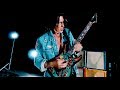
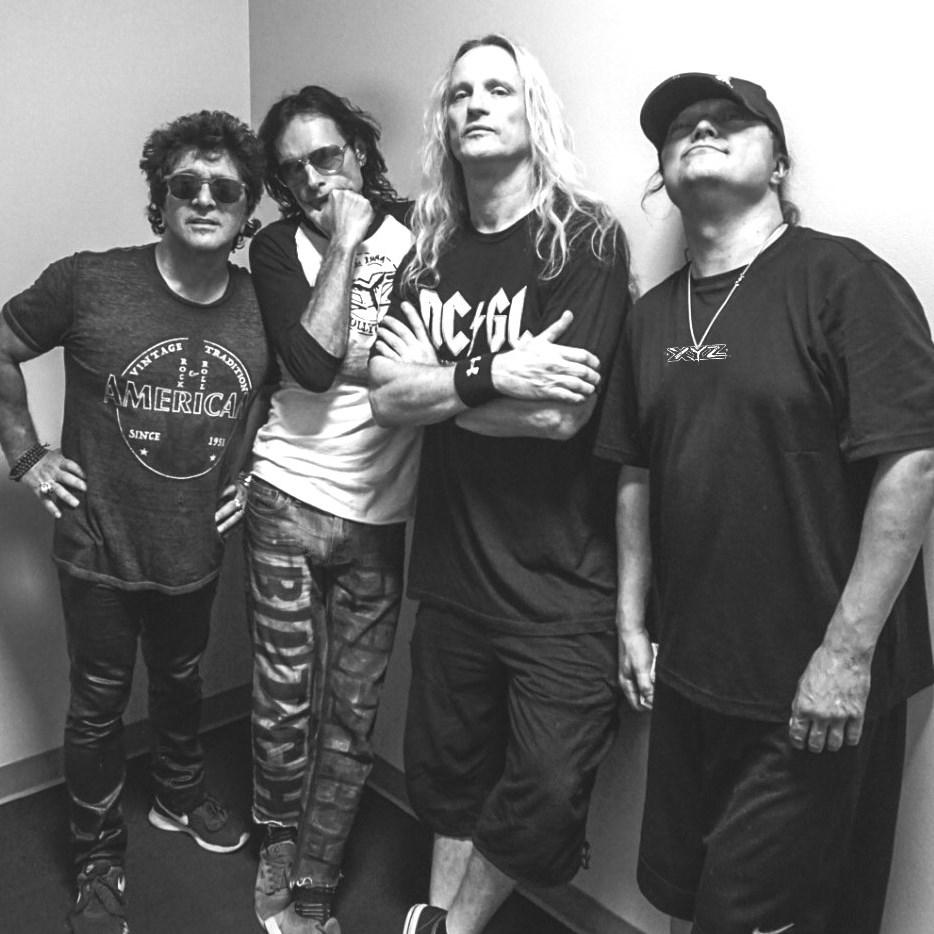
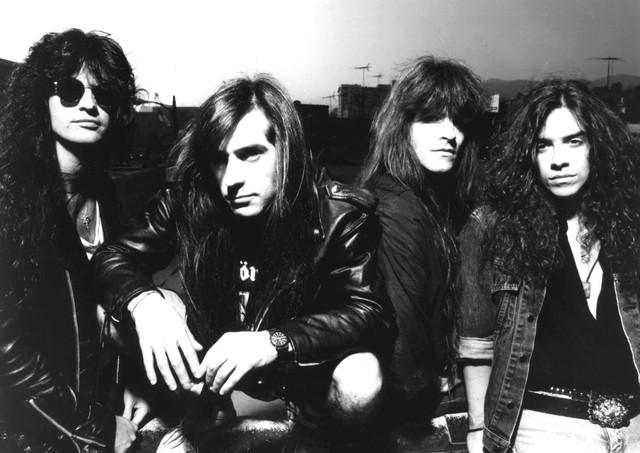
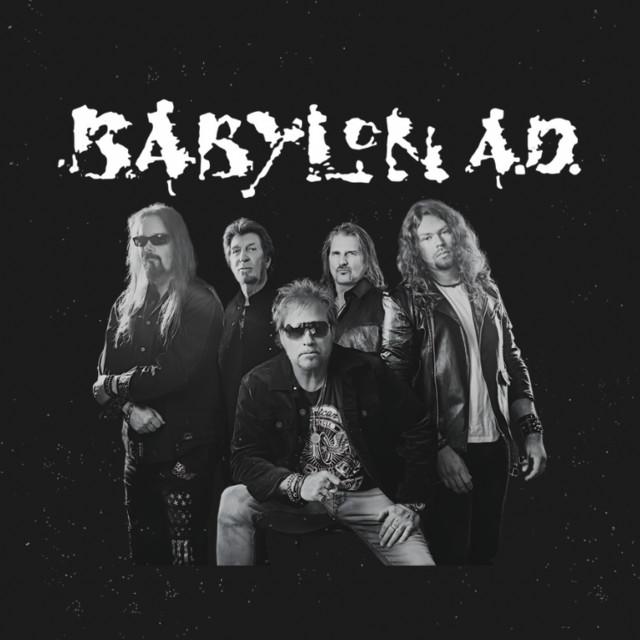
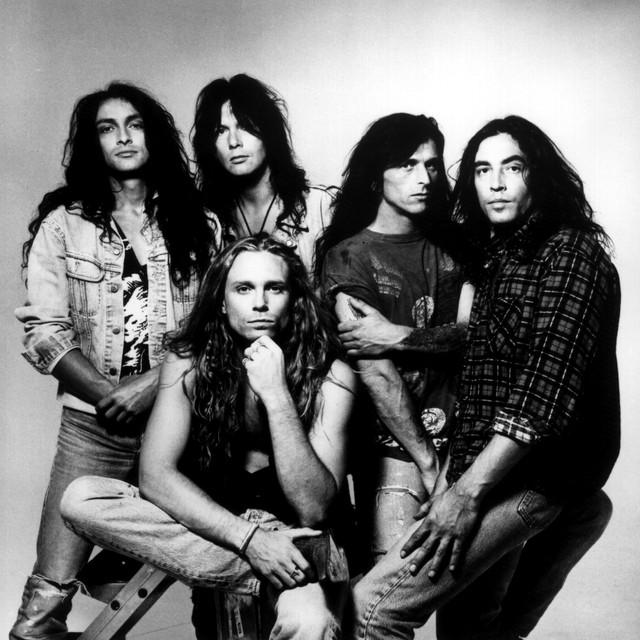
Lynch Mob’s Spotify BioAn American hard rock/heavy metal outfit with a rotating cast of players, the aptly named Lynch Mob is the brainchild of guitar virtuoso -- and sole permanent member -- George Lynch. Emerging in 1990 with Wicked Sensation, the band spent the bulk of the remaining decade on hiatus but returned in the early aughts with their potent blend of hard rock, R&B, and blues intact. Since then, Lynch Mob has released a slew of acclaimed efforts, including Smoke and Mirrors (2009), Rebel (2015), The Brotherhood (2017), and Babylon (2023).
Founded in 1989 after the acrimonious split of Lynch's previous outfit, Dokken, the initial lineup of the group consisted of Lynch, Dokken drummer Mick Brown, bass player Anthony Esposito, and vocalist Oni Logan. Employing a heavy blues-rock sound, Lynch Mob issued their debut album, Wicked Sensation, in 1990 on Elektra. Logan would leave the group shortly after completing the tour in support of the LP, which led to the arrival of new vocalist Rob Mason, who made… his debut two years later on the band's eponymous second full-length outing. Despite garnering critical praise, the album failed to break through, due in large part to the burgeoning grunge and alternative rock scene, which in 1992 was bursting at the seams. Lynch Mob officially disbanded three years later, and Lynch and Brown returned to Dokken for a short time. Lynch unveiled a completely retooled Lynch Mob in 1999 and released Smoke This, which saw the group adding rap metal to their résumé. 2003's REvolution marked the return of vocalist Rob Mason, and featured reworked versions of songs from the band's first two LPs, as well as some Lynch-era Dokken material. The band returned to the classic hard rock sound of their genesis for 2009's Oni Logan-fronted Smoke and Mirrors, which was released on Frontiers Records. 2014's Sun Red Sun, the band's sixth studio long-player, also featured Logan on vocals, as did 2015's Rebel and 2017's The Brotherhood. In 2020 the band released a deluxe multi-media reissue of 2003's REvolution with bonus live material, both audio and video, taken from the 2005 REvolution tour. Later that year they issued Wicked Sensation Reimagined, a re-worked and re-recorded version of their 1990 debut. Puerto Rican vocalist Gabriel Colón (Gothic Knights, White Wizzard), bassist Jaron Gulino (Tantric, Heaven's Edge), and drummer Jimmy D'Anda (Bulletboys) joined the roster in 2022 and helped shape 2023's muscular Babylon, the band's first set of new material since 2017. ~ James Christopher Monger, Rovi
Viberate is a music analytics platform built for A&Rs, artist managers, labels, booking agents, marketers, and artists.
It helps music professionals track artist growth, analyze audience data, monitor playlist activity, compare artists, follow song performance, and identify opportunities across the music market.
Public artist pages provide a free preview of selected artist data. Paid plans provide access to deeper analytics, historical data, charts, comparisons, playlist tools, exports, alerts, reports, and additional professional features.
Yes. Public Viberate artist pages provide selected artist analytics and music data for free.
Viberate also offers a 7-day free trial of the full platform. A credit card is required to start the trial. The trial includes access to the complete product so users can test deeper artist analytics, historical views, playlist insights, comparisons, charts, exports, alerts, and reporting features before choosing a paid plan.
Viberate provides artist analytics across streaming, playlists, social media, video, radio airplay, songs, and audience markets.
Users can analyze Spotify performance, Spotify and Apple Music playlists, YouTube activity, TikTok and Instagram growth, radio spins, song performance, audience locations, demographics, rankings, and overall artist momentum.
Artist profiles also connect to music charts, similar artists, and comparison tools, helping users benchmark performance and evaluate artists in context.
Viberate updates key artist and track data daily.
For followed artists and tracks, selected data is refreshed multiple times per day. This helps teams monitor playlist changes, streaming movement, audience growth, releases, and campaign performance with more current data.
Update frequency can vary depending on the metric and data source.
Yes. Viberate lets users compare up to five artists side by side across streaming, social media, audience, and engagement metrics.
Users can compare fanbase growth, audience demographics, locations, Spotify performance, social metrics, and other artist data over selected time periods.
Artist comparison can be used for A&R scouting, benchmarking, booking decisions, campaign planning, and evaluating artists with similar audiences or market positions.