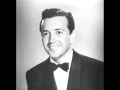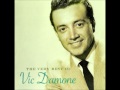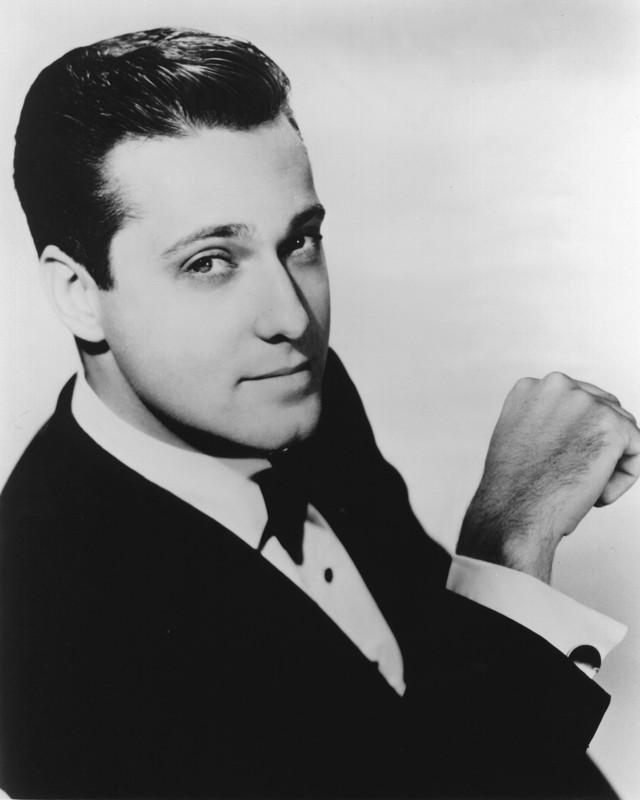
Vic Damone

Pop
Mainstream Pop
Big band Jazz
 Viberate Rank: 74054
 Viberate Rank: 74054
 Monthly ListenersFollowers
 Subscribers
 Followers
 Followers
 FansTop Spotify Songs
| Track | 7-Day Streams | |
|---|---|---|
1 | 38.55K | |
2 | 13.92K | |
3 | 9.04K | |
4 | 9.04K | |
5 | 9.04K |
Top YouTube VideosMonthly ListenersFeatured in Playlists| Playlist | Followers | |
|---|---|---|
1 |  All Out 50s Spotify | 1.89M |
2 |  Crooner Classics Spotify | 517.96K |
3 |  The Perfect Italian Dinner Spotify | 494.05K |
4 |  Classic Voices in Jazz Spotify | 250.23K |
5 |  1930's-1950's Swing & Jazz michaeldil | 126.75K |
Audience| City | Monthly Listeners | |
|---|---|---|
1 |  | 2.60K |
2 |  | 2.09K |
3 | | 1.79K |
4 |  | 1.74K |
5 | | 1.66K |
See full performance history, audience data, playlist activity, rankings, comparisons, and more in Viberate music analytics. Start with a free trial, then continue with a paid plan.
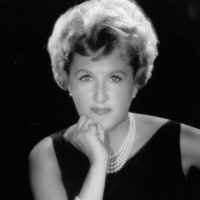
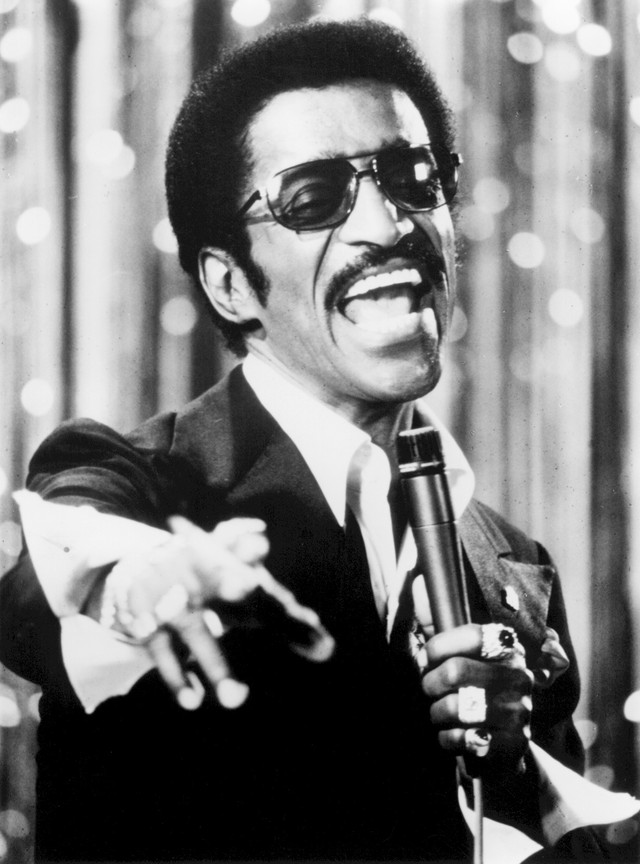
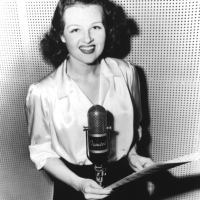
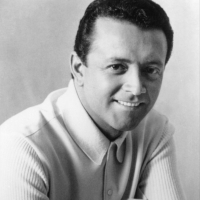
Vic Damone’s Spotify BioOne of the prototypical Italian-American crooners, Vic Damone parlayed a smooth, mellow baritone into big-time pop stardom during the '40s and '50s. Early in his career, his inflection and phrasing were clearly indebted to Frank Sinatra, who once famously called him "the best set of pipes in the business." Overall, though, Damone's style was softer than Sinatra's and owed less to the elasticity of jazz, especially since he was a solo performer who never served an apprenticeship with a swing orchestra. Very much the heartthrob in his heyday, his repertoire relied heavily on romantic ballads, though he did sprinkle in the occasional pop novelty or Italian folk song. He managed a parallel career as a film actor and, later, a TV variety host, and remained an active nightclub performer for decades after he disappeared from the charts.
Damone was born Vito Rocca Farinola in Brooklyn, New York, on June 12, 1928. His mother was a piano teacher and his father an electrician who also sang and… played guitar, but it was Sinatra who provided his first musical awakening, and inspired him to start voice lessons. His first performances came in a youth choir and at school events. When his father was seriously injured in a work accident, young Vic was forced to drop out of school to help support the family, and got a job at the Paramount Theater in Manhattan as an usher and elevator operator. One night, while taking Perry Como up to his dressing room, Vic gave an impromptu performance and asked the singer if he had any talent; Como encouraged him, referred him to a local bandleader, and became something of a mentor to him.
Adopting his mother's maiden name, Damone won first place on the Arthur Godfrey's Talent Scouts show in 1947, which led to regular professional gigs on local radio. While on the set of the show, he also met Milton Berle, who helped him get gigs at the prominent nightclubs La Martinique and the Aquarium. All the attention landed the 19-year-old Damone a record deal with Mercury in fairly short order. His debut single, "I Have But One Heart," sold well, and the follow-ups, "You Do" and the Patti Page duet "Say Something Sweet to Your Sweetheart," were also successful. He began hosting his own radio show, Saturday Night Serenade, and played big New York venues like the Copa and the Paramount (where he'd once worked).
Damone scored his first runaway smash in 1949 with "Again," and followed it with the similarly successful "You're Breaking My Heart"; both singles sold over a million copies. A steady stream of new releases followed through 1950, with the biggest including "Vagabond Shoes," the Top Ten "Tzena, Tzena, Tzena" (a cover of the Weavers' adaptation of an Israeli folk song), "Cincinnati Dancing Pig," and the Top Five "My Heart Cries for You." The following year, he signed a film contract with MGM and appeared in two movies, The Strip and the musical Rich, Young and Pretty. He also returned to the Top Five with a version of Guy Mitchell's "My Truly, Truly Fair." However, he was drafted into the military late that year, and served through 1953. Mercury continued to issue previously recorded material during Damone's tour of duty, and in that time, he hit the Top Ten with "Here in My Heart" (a cover of Al Martino's debut smash), Les Baxter's "April in Portugal," and "Ebb Tide"; he also found some success with the Charlie Chaplin-penned "Eternally."
When Damone returned from the military, he resumed his film career and married actress Pier Angeli; over the next two years, he appeared in the likes of Athena, Deep in My Heart, Kismet, and Hit the Deck, as well as guesting on Berle's TV show. However, his run of hit singles was coasting to a stop, and when Mercury dropped him, he followed his former A&R man Mitch Miller to Columbia. In 1956, Damone overcame the advent of rock & roll to score a number four pop hit with the My Fair Lady tune "On the Street Where You Live." That year, he also issued his first proper 12" LP, That Towering Feeling!, which reached the Top 20 (all his previous LPs had been 10"s or movie soundtracks). Outside of the musical arena, Damone appeared in another film, Meet Me in Las Vegas, and landed the first of what would prove to be several variety-show hosting gigs; his initial TV series, The Vic Damone Show, lasted from 1956-1957. Unfortunately, his marriage to Angeli broke up in 1958.
Damone was initially able to dodge the rock & roll bullet, but his career momentum soon ground to a near halt. He had only one more Top 20 single, 1957's "An Affair to Remember (Our Love Affair)," and he was slowly forced to try reinventing himself as an album artist and an interpretive singer for adult audiences. The consistency of his albums did improve, with the most notable result being 1961's On the Swingin' Side, but Columbia let Damone move over to Capitol afterward. Hoping that Damone could ease some of the sting of losing Sinatra, Capitol coaxed some of the singer's strongest LPs out of him, including 1962's romantic Linger Awhile with Vic Damone and The Lively Ones. Both charted in the Top 100, but failed to win the audience of, for example, latter-day Sinatra. Damone moved on to Warner Bros. for a one-off album, You Were Only Fooling, in 1965; its title cut gave Damone a last hurrah on the singles charts.
Damone next moved on to RCA and made a few recordings in the late '60s, but by this time he was primarily a TV personality and frequent variety-show guest. He staged a major concert in Las Vegas in 1971, where he became a regular on the casino circuit; this helped him iron out some financial problems that resulted in a brief period of bankruptcy in the early '70s. Damone subsequently enjoyed a steady career touring nightclubs and casinos around the country, and experienced something of a renaissance in the U.K. during the early '80s. He capitalized with extensive touring there, and also cut a few new albums for RCA during the first half of the decade. In 1987, he married actress Diahann Carroll (his fourth wife), which lasted until 1996. In addition to his live performances, he continued to record occasionally as well. Vic Damone died in February 2018 at the age of 89. ~ Steve Huey, Rovi
Viberate is a music analytics platform built for A&Rs, artist managers, labels, booking agents, marketers, and artists.
It helps music professionals track artist growth, analyze audience data, monitor playlist activity, compare artists, follow song performance, and identify opportunities across the music market.
Public artist pages provide a free preview of selected artist data. Paid plans provide access to deeper analytics, historical data, charts, comparisons, playlist tools, exports, alerts, reports, and additional professional features.
Yes. Public Viberate artist pages provide selected artist analytics and music data for free.
Viberate also offers a 7-day free trial of the full platform. A credit card is required to start the trial. The trial includes access to the complete product so users can test deeper artist analytics, historical views, playlist insights, comparisons, charts, exports, alerts, and reporting features before choosing a paid plan.
Viberate provides artist analytics across streaming, playlists, social media, video, radio airplay, songs, and audience markets.
Users can analyze Spotify performance, Spotify and Apple Music playlists, YouTube activity, TikTok and Instagram growth, radio spins, song performance, audience locations, demographics, rankings, and overall artist momentum.
Artist profiles also connect to music charts, similar artists, and comparison tools, helping users benchmark performance and evaluate artists in context.
Viberate updates key artist and track data daily.
For followed artists and tracks, selected data is refreshed multiple times per day. This helps teams monitor playlist changes, streaming movement, audience growth, releases, and campaign performance with more current data.
Update frequency can vary depending on the metric and data source.
Yes. Viberate lets users compare up to five artists side by side across streaming, social media, audience, and engagement metrics.
Users can compare fanbase growth, audience demographics, locations, Spotify performance, social metrics, and other artist data over selected time periods.
Artist comparison can be used for A&R scouting, benchmarking, booking decisions, campaign planning, and evaluating artists with similar audiences or market positions.