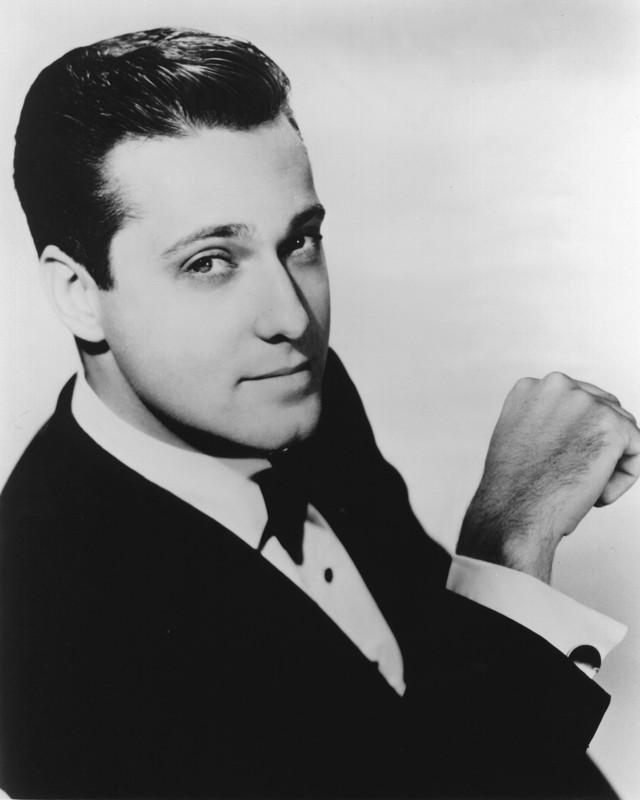
Jack Jones

Pop
Mainstream Pop
Big band Jazz
 Viberate Rank: 58227
 Viberate Rank: 58227
 Monthly ListenersFollowers
 Subscribers
 Followers
 Followers
 FansTop Spotify Songs
| Track | 7-Day Streams | |
|---|---|---|
1 | 62.46K | |
2 | 32.18K | |
3 | 31.34K | |
4 | 10.07K | |
5 | 9.09K |
Top YouTube VideosMonthly ListenersFeatured in Playlists| Playlist | Followers | |
|---|---|---|
1 |  Crooner Classics Spotify | 517.96K |
2 |  jazz bar in nyc🎷 mishelle | 454.31K |
3 |  GoodFellas soundtrack zoso79 | 88.38K |
4 |  Sixties 100 Greatest Hits ANDREW HARRY BRIGGS | 37.18K |
5 |  Piano Bar • Lounge Music • Smooth Jazz David Anthony | 37.09K |
Audience| City | Monthly Listeners | |
|---|---|---|
1 |  | 2.31K |
2 |  | 1.76K |
3 | | 1.75K |
4 | | 1.67K |
5 |  | 1.60K |
See full performance history, audience data, playlist activity, rankings, comparisons, and more in Viberate music analytics. Start with a free trial, then continue with a paid plan.
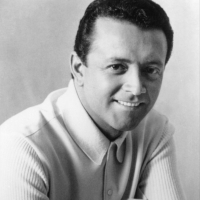
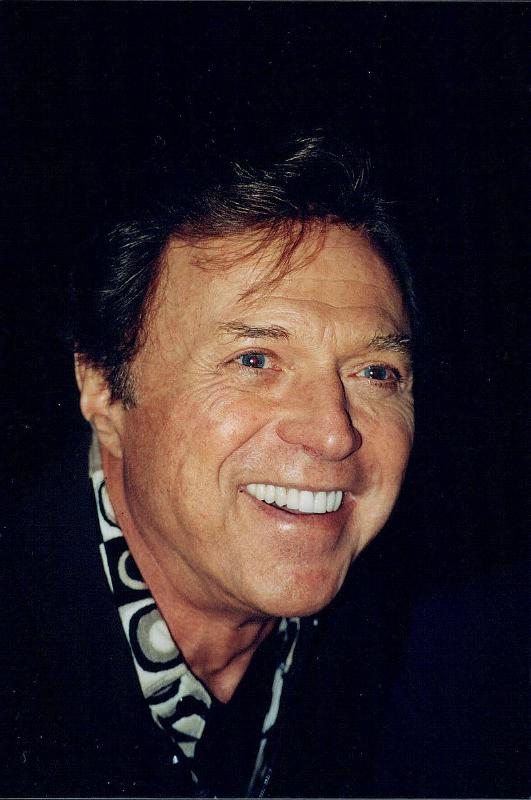
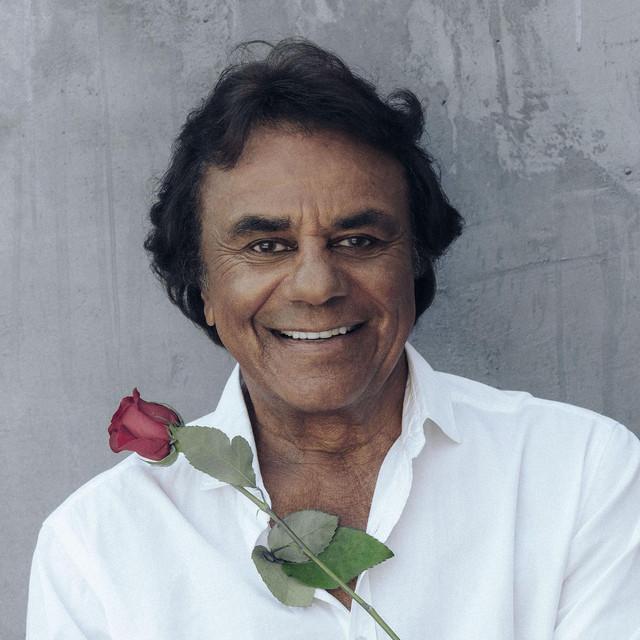
Jack Jones’ Spotify BioBy many measures, Jack Jones was the most popular crooner to emerge between the heyday of Elvis Presley and the rise of the Beatles. In the span of two years, he snagged two Grammys for Pop Male Performance -- "Lollipops and Roses" in 1962 and "Wives and Lovers" in 1964 -- which was enough to lay a foundation for a career that lasted well into the 21st century. Although his charting hits dried up in the early '70s -- prior to that, he was a fixture on the Adult Contemporary charts, racking up the number one hits "The Race Is On," "The Impossible Dream (The Quest)," and "Lady" between 1965 and 1967 -- he continued to perform in Las Vegas and on the road, making the occasional foray into pop culture, like when he sang "The Love Boat Theme" in 1980. In his later years, he gravitated toward blues and jazz, releasing ArtWork, a collaboration with Joey DeFrancesco, in 2023.
The son of singing actors -- on the night of his birth, his father Allan Jones recorded his hit "The Donkey Serenade" --… Jack Jones was born and raised in Los Angeles, California. He made his first foray into performing professionally through his father's revue at the Thunderbird Hotel and Casino in Las Vegas. After that, he recorded demos for Don Raye which helped him land a contract with Capitol in 1959.
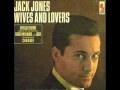
This Love of Mine, his 1959 debut for Capitol, went nowhere and the label dropped him. Jones headed up to San Francisco, where he was spotted by Pete King of Kapp Records. Signing Jones virtually on the spot, King had Jones' record and release "Lollipops and Roses" in 1962 and it turned into a major hit, eventually winning the Grammy for Pop Male Performance. "Wives and Lovers," a song written by Burt Bacharach and Hal David, was even bigger in 1964, reaching 14 on Billboard's Top 40 and winning another Grammy for Jones.
Jones' time on the pop charts didn't last long -- "Dear Heart" went to 30 in 1964, while his cover of George Jones' country classic "The Race Is On" went to 15 in 1965 -- but he continued to place in Billboard's Adult Contemporary charts through the '60s, notably hitting number one with 1966's "The Impossible Dream (The Quest)" and 1967's "Lady." Jones moved from Kapp to RCA in 1967. His first album for the label was Without Her, named after a Harry Nilsson song he covered. This was a signal that his records for RCA would navigate the distance between the supper club and soft rock, a path that culminated in his 1972 tribute to Bread, Bread Winners. He'd continue to experiment with fads throughout the '70s, including dabbling in disco and covering Little Feat's "Dixie Chicken" in 1977, before he left RCA for MGM. Nobody Does It Better, his 1979 debut for the label, found Jones continuing to explore disco; it also contained "The Love Boat Theme," a proudly campy theme song for the romantic-comedy TV series.
MGM folded after Jones released Don't Stop Now in 1980. Following this, he'd record sporadically -- he only released two additional albums in the '80s (1982's Jack Jones and 1987's I Am a Singer -- while concentrating on playing live shows at clubs across the world. He mounted a major-label comeback in 1992 with The Gershwin Album, but that was short-lived: by 1997, he was signed to Honest, where he released the albums New Jack Swing and Paints a Tribute to Tony Bennett. Over the next two decades, Jones kept up with his schedule of performing and occasionally recording, while also appearing on-stage and, on occasion, television. The mid-2010s saw him particularly active, as he had a cameo in David O. Russell's 2013 film American Hustle, did a voice-over for the Cartoon Network series Over the Garden Wall, and recorded the 2015 album Seriously Frank (Celebrating the 100th Birthday of Frank Sinatra). This album was the first step Jones took that delved deeper into jazz and blues. Every Other Day I Have the Blues, an album where he covered the likes of Eddie Harris & Les McCann and Robert Cray, arrived in 2021. ArtWork, a collaboration with Joey DeFrancesco recorded just prior to the trumpeter's death in 2022, appeared in 2023. Jack Jones died while in treatment for leukemia on October 23, 2024; he was 86. ~ Stephen Thomas Erlewine, Rovi
Viberate is a music analytics platform built for A&Rs, artist managers, labels, booking agents, marketers, and artists.
It helps music professionals track artist growth, analyze audience data, monitor playlist activity, compare artists, follow song performance, and identify opportunities across the music market.
Public artist pages provide a free preview of selected artist data. Paid plans provide access to deeper analytics, historical data, charts, comparisons, playlist tools, exports, alerts, reports, and additional professional features.
Yes. Public Viberate artist pages provide selected artist analytics and music data for free.
Viberate also offers a 7-day free trial of the full platform. A credit card is required to start the trial. The trial includes access to the complete product so users can test deeper artist analytics, historical views, playlist insights, comparisons, charts, exports, alerts, and reporting features before choosing a paid plan.
Viberate provides artist analytics across streaming, playlists, social media, video, radio airplay, songs, and audience markets.
Users can analyze Spotify performance, Spotify and Apple Music playlists, YouTube activity, TikTok and Instagram growth, radio spins, song performance, audience locations, demographics, rankings, and overall artist momentum.
Artist profiles also connect to music charts, similar artists, and comparison tools, helping users benchmark performance and evaluate artists in context.
Viberate updates key artist and track data daily.
For followed artists and tracks, selected data is refreshed multiple times per day. This helps teams monitor playlist changes, streaming movement, audience growth, releases, and campaign performance with more current data.
Update frequency can vary depending on the metric and data source.
Yes. Viberate lets users compare up to five artists side by side across streaming, social media, audience, and engagement metrics.
Users can compare fanbase growth, audience demographics, locations, Spotify performance, social metrics, and other artist data over selected time periods.
Artist comparison can be used for A&R scouting, benchmarking, booking decisions, campaign planning, and evaluating artists with similar audiences or market positions.