Unrest

Rock
Indie Rock
 Viberate Rank: 252544
 Viberate Rank: 252544
 Monthly ListenersFollowers
 Subscribers
 Followers
 Followers
 FansTop Spotify Songs
| Track | 7-Day Streams | |
|---|---|---|
1 | 671 | |
2 | 611 | |
3 | 575 | |
4 | 339 | |
5 | 325 |
Top YouTube VideosMonthly ListenersFeatured in Playlists| Playlist | Followers | |
|---|---|---|
1 |  🪐🪐🪐🪐🪐🪐🪐🪐☼:̴͓̞̑̌̂̆̊͋̀:̸͎̟̯̂̓̌:̶̢͙͙͕̠̩͆ ⃝🟠 ̴̤̻̀(̵̙̺̳̩͐͗́͑͋̓̕͜ͅ(̵̺͖̤͌͂͑̐̕o̶̢̘͔̒̈̑̒͊v̴̢͚͚͎͎̞͒͊̎ȯ̶̞̮͖̑̈́̿ ☼:̴͓̞̑̌̂̆̊͋̀:̸͎̟̯̂̓̌:̶̢͙͙͕̠̩͆(̷̮͍͚̫͚͂̍)̵̳̗̊( 🟠🟢⦿🔵🟡\̸̧͔̰̳̦̣̪̈̏̓ ̴̡̛̅͐͛̀̽/̶̱̼̣̤̰̲̣̈́̋͌̿̄̍̊\̴̲̣̝̀͜ͅ🔴🫧✨🫧 ̵̨̛̱̥͕́̎́̐͝/̸̠̜̅̐͊̋̿̐̓\̸̧͔̰̳̦̣̪̈̏̓ ̴̡̛̅͐͛̀̽🥏🟠/̶̱̼̣̤̰̲̣̈́̋͌̿̄̍̊\̴̲̣̝̀͜ͅ💥 ̸̝̮̟̹̀̆̋̿ ̴̤̻̀🥭(̵̙̺̳̩͐͗́͑͋̓̕͜ͅ(̵̺͖̤͌͂͑̐̕o̶̢̘͔̒̈̑̒͊🔵:̸͎̟̯̂̓̌:̶̢͙͙͕̠̩͆(̷̮͍͚̫͚͂̍)̵̳̗̊(🟠🪐 Four Tet | 210.46K |
2 |  Anthony Bourdain's Favorite Songs alexanderlenox-us | 58.25K |
3 |  🪐Floating Points Turntable🪐 Floating Points | 35.36K |
4 |  Roadrunner : A Film About Anthony Bourdain Roadrunnermovie | 28.84K |
5 | Best of the 90s / 90's / 1990s / 1990's phillipalcock | 23.05K |
Audience| City | Monthly Listeners | |
|---|---|---|
1 | | 192 |
2 | | 192 |
3 | | 184 |
4 | | 172 |
5 |  | 115 |
See full performance history, audience data, playlist activity, rankings, comparisons, and more in Viberate music analytics. Start with a free trial, then continue with a paid plan.
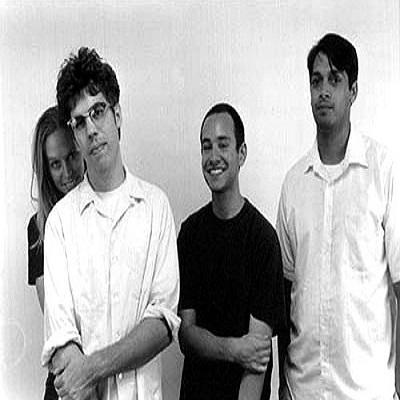
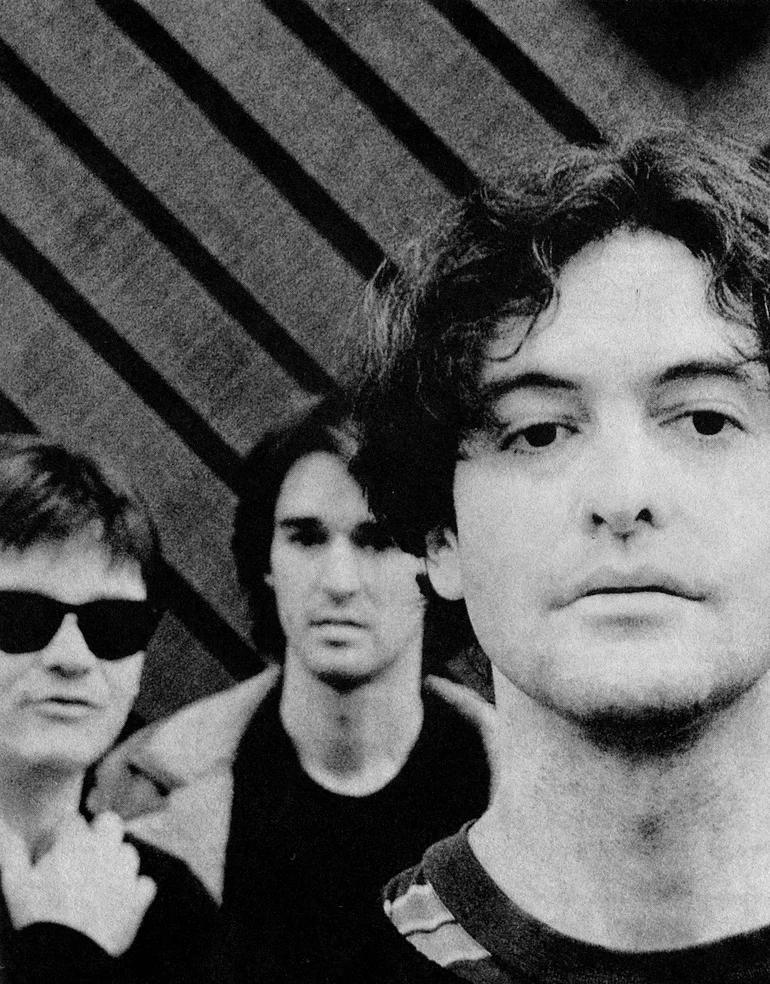
Unrest’s Spotify BioThe flagship act of frontman Mark Robinson's own TeenBeat label, Unrest was a towering pillar of the American indie rock community throughout the early '90s -- from the tongue-in-cheek garage noise of their earliest efforts to the shimmering, manic pop thrills of their later, most enduring work, the band was a paragon of DIY virtue, perfecting a genre-hopping eclecticism and knowing, ironic lyrical outlook that virtually defined the sound and feel of college rock in the pre-grunge era. Robinson, bassist Tim Moran, and drummer Phil Krauth formed Unrest while students at Wakefield High School in Arlington, VA; borrowing their name from a Henry Cow record, the fledgling trio soon made its debut on the first TeenBeat release, the 1985 cassette compilation Extremism in the Defense of Liberty Is No Vice. Comprised of 25 tracks bootlegged from a show at the Washington, D.C. venue the 9:30 Club, the tape was released in an edition of about 60 copies, and sold primarily to Robinson's… classmates; among the featured acts were Jungle George & the Plague, led by another Wakefield student, Andrew Beaujon, who later led the much-acclaimed Eggs and briefly tenured with Unrest as well. TeenBeat itself would over time emerge as one of the most respected American independent labels of its period, evolving from the Xeroxed covers of early cassette releases to a prolific flow of beautifully designed releases inspired by Robinson's abiding affection for the lavish packaging of the British imprints Factory and 4AD; the company's ever-changing roster reflected its founder's diverse tastes, issuing recordings from artists spanning from Versus to Gastr del Sol to Blast Off Country Style. TeenBeat's sophomore release, the Unrest! cassette, followed in the spring of 1985; recorded live to two-track in Moran's living room, the tape was soon trailed by another cassette, Lisa Carol Freemont, serving early notice of the prodigious output which defined the band's career -- at the same time, Robinson and Krauth even collaborated in another band, Clarence. All of Unrest's releases catalogued Robinson's ever-shifting lyrical and musical obsessions, which (especially at the outset of the group's existence) often resulted in jarring track-to-track juxtapositions embracing everything from punk to funk. The band's more radical experiments make their unofficially self-titled 1987 full-length debut easier to admire than actually enjoy: recorded with bassist Chris Thomson filling in for Moran, the LP was pressed in an edition of 1,050, each with a cover hand-decorated by friends -- since every cover was different, each copy had its own title. (An expanded edition appeared on Matador in 1993 under the title Fuck Pussy Galore and All Her Friends.) Bassist Dave Park signed on for Unrest's second album, the 1988 Caroline Records release Malcolm X Park -- although the disc as a whole lacks focus, the lovely pop entries "Can't Sit Still" and "Christina" hint at the brilliance of later efforts. Silent in 1989 but for the "Catchpellet" single, the trio resurfaced a year later with their third LP, Kustom Karnal Blackxploitation, highlighted by their interpretation of the Heathers soundtrack's satiric protest anthem "Teenage Suicide." With the 1991 single "Yes, She Is My Skinhead Girl," Unrest achieved indie rock sainthood -- a joint release with the K Records label, its skittering, oddly propulsive pop approach signaled the band's creative breakthrough, also earning strong critical notices. However, it was the arrival of bassist Bridget Cross that truly fortified the Unrest sound -- a onetime member of Velocity Girl, her throbbing, insistent rhythms closely evoked the pioneering bass lines of New Order's Peter Hook, complementing Robinson's own Factory Records fixation and offering the perfect counterpoint to the frenzied strumming of his guitar work. Appropriately enough, Cross made her debut on the 1991 Sub Pop Singles Club release A Factory Record, a four-song collection of obscure covers from the Factory catalog including a brilliant reading of Miaow's "When It All Comes Down." The 1992 album Imperial f.f.r.r. remains Unrest's defining moment, a sprawling yet laser-focused pop masterpiece boasting the single "Cherry Cream On." The follow-up, 1993's Perfect Teeth, arrived as a joint release with the 4AD label -- featuring onetime Miaow frontwoman Cath Carroll on the cover (a longstanding Robinson heroine, she'd later issue several solo LPs on TeenBeat) and jokingly crediting Duran Duran's Simon LeBon with production duties, the record's highlight, "Make Out Club," even earned airtime on MTV. The EP Animal Park appeared in early 1994, but at the peak of their success, Unrest then disbanded -- while Krauth mounted a solo career, Robinson and Cross reunited in the short-lived Air Miami. Robinson then went on to issue a series of solo records, variously credited to projects including Olympic Death Squad and Flin Flon. ~ Jason Ankeny, Rovi
Viberate is a music analytics platform built for A&Rs, artist managers, labels, booking agents, marketers, and artists.
It helps music professionals track artist growth, analyze audience data, monitor playlist activity, compare artists, follow song performance, and identify opportunities across the music market.
Public artist pages provide a free preview of selected artist data. Paid plans provide access to deeper analytics, historical data, charts, comparisons, playlist tools, exports, alerts, reports, and additional professional features.
Yes. Public Viberate artist pages provide selected artist analytics and music data for free.
Viberate also offers a 7-day free trial of the full platform. A credit card is required to start the trial. The trial includes access to the complete product so users can test deeper artist analytics, historical views, playlist insights, comparisons, charts, exports, alerts, and reporting features before choosing a paid plan.
Viberate provides artist analytics across streaming, playlists, social media, video, radio airplay, songs, and audience markets.
Users can analyze Spotify performance, Spotify and Apple Music playlists, YouTube activity, TikTok and Instagram growth, radio spins, song performance, audience locations, demographics, rankings, and overall artist momentum.
Artist profiles also connect to music charts, similar artists, and comparison tools, helping users benchmark performance and evaluate artists in context.
Viberate updates key artist and track data daily.
For followed artists and tracks, selected data is refreshed multiple times per day. This helps teams monitor playlist changes, streaming movement, audience growth, releases, and campaign performance with more current data.
Update frequency can vary depending on the metric and data source.
Yes. Viberate lets users compare up to five artists side by side across streaming, social media, audience, and engagement metrics.
Users can compare fanbase growth, audience demographics, locations, Spotify performance, social metrics, and other artist data over selected time periods.
Artist comparison can be used for A&R scouting, benchmarking, booking decisions, campaign planning, and evaluating artists with similar audiences or market positions.