764-Hero

Rock
Indie Rock
Alternative Rock
 Viberate Rank: 406620
 Viberate Rank: 406620
 Monthly ListenersFollowers
 Subscribers
 Followers
 Followers
 FansTop Spotify Songs
| Track | 7-Day Streams | |
|---|---|---|
1 | 780 | |
2 | 581 | |
3 | 368 | |
4 | 180 | |
5 | 170 |
Top YouTube VideosMonthly ListenersFeatured in Playlists| Playlist | Followers | |
|---|---|---|
1 | The Morning Spring 2023 Playlist nytimes | 30.66K |
2 |  Musiken i Jills veranda | SVT SVT | 6.32K |
3 |  Huckberry Jeremy Little | 2.48K |
4 |  cool stuff :') Julia Shapiro | 2.27K |
5 | NPR-All Things Considered speptobie | 2.09K |
Audience| City | Monthly Listeners | |
|---|---|---|
1 | | 104 |
2 | | 103 |
3 | | 100 |
4 | | 92 |
5 | | 79 |
See full performance history, audience data, playlist activity, rankings, comparisons, and more in Viberate music analytics. Start with a free trial, then continue with a paid plan.
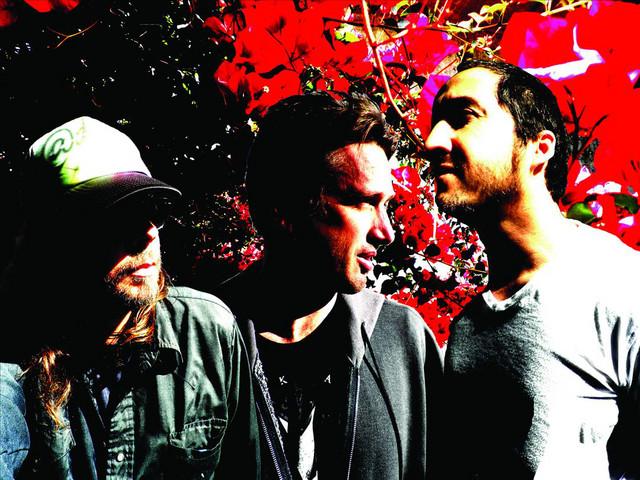
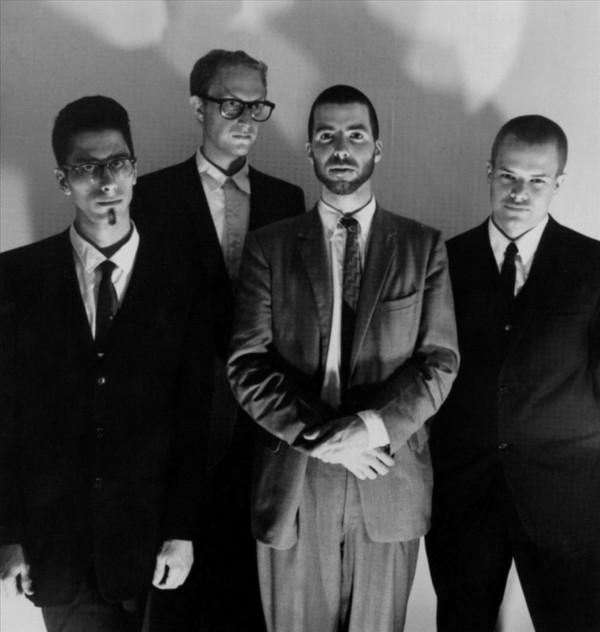
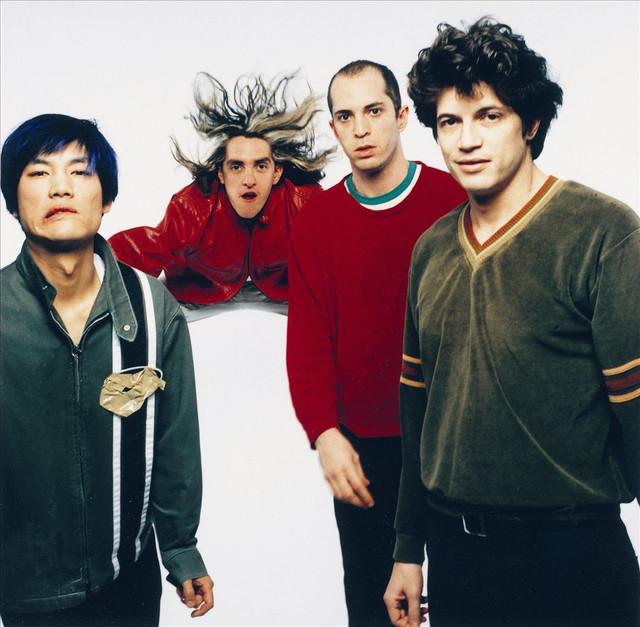
764-Hero’s Spotify BioPassionate, heart-wrenching lyrics combined with an understated guitar/bass/drum sound describe 764-Hero, the emo-core trio from Seattle, Washington. Initially formed as a duo in 1995, the band started out with John Atkins on guitars, keyboard, and lead vocals and Polly Johnson-Dickinson on drums and percussion. Atkins and Johnson-Dickinson had met while playing in other Seattle-area bands, Atkins in Hush Harbor and Johnson-Dickinson in Bell Jar. The band remained nameless until its first show, when a friend suggested the name 764-Hero, which is the phone number for carpool lane violators in Washington. They released their debut album, Salt Sinks & Sugar Floats, in 1996, which, along with their powerful live performances, won them a nation-wide following. Needing a bassist for a live radio broadcast in 1998, the duo contacted Red Stars Theory's James Bertram; the resulting session turned out so well that he was added as a full-time member in time for recording that year's Get Here and… Stay. Extensive tours and Whenever You See Fit, a split EP with Modest Mouse, followed. By 1999 764-Hero was back in the studio working on their third album Weekends of Sound, which was released in mid-2000. The album had a good enough reception to keep them going, although they lost James Bertram in the following months. By 2002, they had another record ready to go, this one entitled Nobody Knows This Is Everywhere. ~ Tracy Frey, Rovi
Viberate is a music analytics platform built for A&Rs, artist managers, labels, booking agents, marketers, and artists.
It helps music professionals track artist growth, analyze audience data, monitor playlist activity, compare artists, follow song performance, and identify opportunities across the music market.
Public artist pages provide a free preview of selected artist data. Paid plans provide access to deeper analytics, historical data, charts, comparisons, playlist tools, exports, alerts, reports, and additional professional features.
Yes. Public Viberate artist pages provide selected artist analytics and music data for free.
Viberate also offers a 7-day free trial of the full platform. A credit card is required to start the trial. The trial includes access to the complete product so users can test deeper artist analytics, historical views, playlist insights, comparisons, charts, exports, alerts, and reporting features before choosing a paid plan.
Viberate provides artist analytics across streaming, playlists, social media, video, radio airplay, songs, and audience markets.
Users can analyze Spotify performance, Spotify and Apple Music playlists, YouTube activity, TikTok and Instagram growth, radio spins, song performance, audience locations, demographics, rankings, and overall artist momentum.
Artist profiles also connect to music charts, similar artists, and comparison tools, helping users benchmark performance and evaluate artists in context.
Viberate updates key artist and track data daily.
For followed artists and tracks, selected data is refreshed multiple times per day. This helps teams monitor playlist changes, streaming movement, audience growth, releases, and campaign performance with more current data.
Update frequency can vary depending on the metric and data source.
Yes. Viberate lets users compare up to five artists side by side across streaming, social media, audience, and engagement metrics.
Users can compare fanbase growth, audience demographics, locations, Spotify performance, social metrics, and other artist data over selected time periods.
Artist comparison can be used for A&R scouting, benchmarking, booking decisions, campaign planning, and evaluating artists with similar audiences or market positions.