Vast Aire

Hip Hop
Contemporary Hip Hop
Underground Hip Hop
 Viberate Rank: 157153
 Viberate Rank: 157153
 Monthly ListenersFollowers
 Subscribers
 Followers
 Followers
 FansTop Spotify SongsTop YouTube Videos
| Video | 7-Day Views | |
|---|---|---|
1 | 620 | |
2 | 259 | |
3 | 141 | |
4 | 112 | |
5 | 75 |
Monthly ListenersFeatured in Playlists| Playlist | Followers | |
|---|---|---|
1 |  The Prose of Rhyming in Rap Estelle Caswell | 108.59K |
2 |  BEST OF MF DOOM Tijmen | 67.73K |
3 | Trip Hop // Beats Lapgan | 67.29K |
4 | Hip hop instrumentals Maximilien Sautreau | 40.78K |
5 | Rap Old School hugo_2k | 25.58K |
Audience| City | Monthly Listeners | |
|---|---|---|
1 | | 430 |
2 | | 406 |
3 |  | 380 |
4 | | 367 |
5 |  | 325 |
See full performance history, audience data, playlist activity, rankings, comparisons, and more in Viberate music analytics. Start with a free trial, then continue with a paid plan.
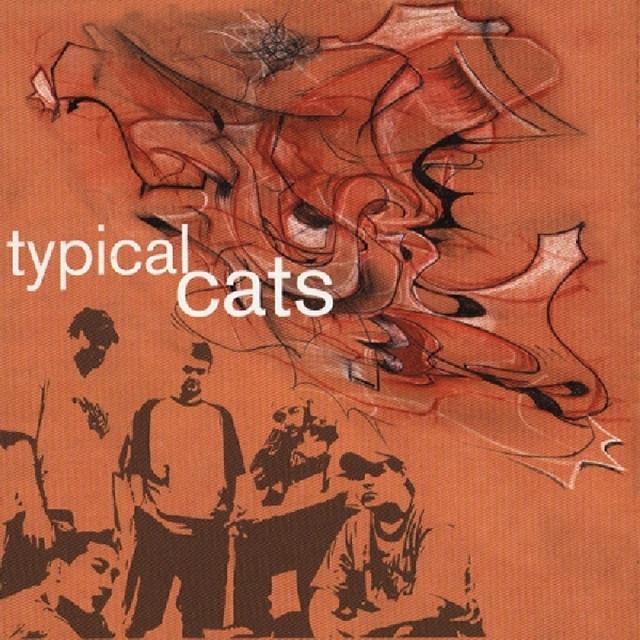
Vast Aire’s Spotify BioThe New York-based rapper Vast Aire first appeared on the East Coast's underground hip-hop scene as part of the Atoms Family collective in the late '90s, but he gained wider attention as one half of the duo Cannibal Ox alongside Vordul Megilah. In collaboration with producer El-P (also the head of their label, Definitive Jux Records), the quirky duo debuted with 2001's The Cold Vein. This album's mixture of hard beats, gritty street rhyming, and woozy, nearly psychedelic textures earned comparisons both to Wu-Tang Clan and A Tribe Called Quest, a tribute to the duo's ability to integrate opposing influences. Although Cannibal Ox never officially split up, Vast Aire soon turned his attention to his solo career beginning with a self-distributed mixtape entitled Dirty Magazine. His proper solo debut, 2004's Look Mom... No Hands, featured guest appearances by Megilah, Madlib, MF Doom, and Aesop Rock, among others. In contrast, Vast Aire's second solo album, 2005's The Best Damn Rap Show,… gave co-credit to producer Mighty Mi but otherwise lacked the presence of guest stars. Its release was followed by the reappearance of Cannibal Ox with 2005's Return of the Ox, a live album recorded at the CMJ Music Marathon, and Deuces Wild saw Vast Aire returning to the solo game in 2008. Collaborating with rappers like Raekwon and Guilty Simpson, the rapper follwed up with Ox 2010: A Street Odyssey in 2011. ~ Stewart Mason, Rovi
Viberate is a music analytics platform built for A&Rs, artist managers, labels, booking agents, marketers, and artists.
It helps music professionals track artist growth, analyze audience data, monitor playlist activity, compare artists, follow song performance, and identify opportunities across the music market.
Public artist pages provide a free preview of selected artist data. Paid plans provide access to deeper analytics, historical data, charts, comparisons, playlist tools, exports, alerts, reports, and additional professional features.
Yes. Public Viberate artist pages provide selected artist analytics and music data for free.
Viberate also offers a 7-day free trial of the full platform. A credit card is required to start the trial. The trial includes access to the complete product so users can test deeper artist analytics, historical views, playlist insights, comparisons, charts, exports, alerts, and reporting features before choosing a paid plan.
Viberate provides artist analytics across streaming, playlists, social media, video, radio airplay, songs, and audience markets.
Users can analyze Spotify performance, Spotify and Apple Music playlists, YouTube activity, TikTok and Instagram growth, radio spins, song performance, audience locations, demographics, rankings, and overall artist momentum.
Artist profiles also connect to music charts, similar artists, and comparison tools, helping users benchmark performance and evaluate artists in context.
Viberate updates key artist and track data daily.
For followed artists and tracks, selected data is refreshed multiple times per day. This helps teams monitor playlist changes, streaming movement, audience growth, releases, and campaign performance with more current data.
Update frequency can vary depending on the metric and data source.
Yes. Viberate lets users compare up to five artists side by side across streaming, social media, audience, and engagement metrics.
Users can compare fanbase growth, audience demographics, locations, Spotify performance, social metrics, and other artist data over selected time periods.
Artist comparison can be used for A&R scouting, benchmarking, booking decisions, campaign planning, and evaluating artists with similar audiences or market positions.