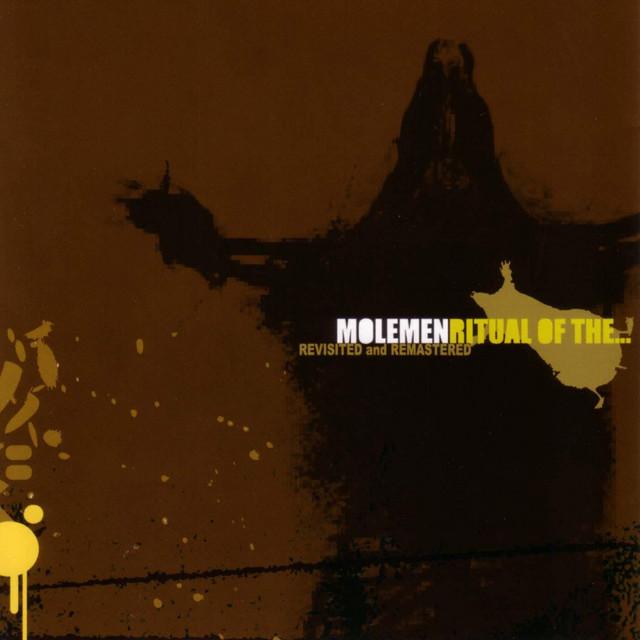
Prince Po

Hip Hop
Trap
Contemporary Hip Hop
 Viberate Rank: 278121
 Viberate Rank: 278121
 Monthly ListenersFollowers
 Subscribers
 Followers
 Followers
 FansTop Spotify Songs
| Track | 7-Day Streams | |
|---|---|---|
1 | 3.55K | |
2 | 1.79K | |
3 | 1.42K | |
4 | 735 | |
5 | 612 |
Top YouTube VideosMonthly ListenersFeatured in Playlists| Playlist | Followers | |
|---|---|---|
1 |  MF DOOM FOREVER Rhymesayers | 37.45K |
2 |  Jazzy Hip Hop Smokersblend | 25.86K |
3 |  WRMFZY BEATS wrmfzy | 18.79K |
4 | Hip Hop Jazz marcstolz | 17.45K |
5 | Boom Bap/90s Rap Kharim Ames | 16.71K |
Audience| City | Monthly Listeners | |
|---|---|---|
1 |  | 73 |
2 | | 70 |
3 | | 64 |
4 | | 59 |
5 |  | 56 |
See full performance history, audience data, playlist activity, rankings, comparisons, and more in Viberate music analytics. Start with a free trial, then continue with a paid plan.
Prince Po’s Spotify BioBetter known as one-half of the '90s rap duo Organized Konfusion (the other half being Pharoahe Monch), Prince Po (or Prince Poetry) was born and raised in Queens. In 1991 Organized Konfusion's stellar self-titled debut album came out, and immediately made an impression on the hip-hop scene, but after six more years and two more albums, Monch and Prince Po decided to take a break (though rumors of reuniting were omnipresent), and each MC went on to pursue a solo career (the former went on to make a name for himself with his celebrated 1999 record, Internal Affairs). In 2002 Po met producer Danger Mouse while he was working on Jemini's Ghetto Pop Life, and they all got along so well that Po did a guest spot on the track "Copy Cats" and arranged for Danger Mouse to produce part of his upcoming solo album, Slickness. Released in 2004 on the British label Lex, Slickness helped to reestablish Prince Po as a premier MC, and in the summer of 2006 the follow-up, Prettyblack, came out. In 2014… he partnered with producer Oh No for the collaborative album Animal Serum. ~ Marisa Brown, Rovi
Viberate is a music analytics platform built for A&Rs, artist managers, labels, booking agents, marketers, and artists.
It helps music professionals track artist growth, analyze audience data, monitor playlist activity, compare artists, follow song performance, and identify opportunities across the music market.
Public artist pages provide a free preview of selected artist data. Paid plans provide access to deeper analytics, historical data, charts, comparisons, playlist tools, exports, alerts, reports, and additional professional features.
Yes. Public Viberate artist pages provide selected artist analytics and music data for free.
Viberate also offers a 7-day free trial of the full platform. A credit card is required to start the trial. The trial includes access to the complete product so users can test deeper artist analytics, historical views, playlist insights, comparisons, charts, exports, alerts, and reporting features before choosing a paid plan.
Viberate provides artist analytics across streaming, playlists, social media, video, radio airplay, songs, and audience markets.
Users can analyze Spotify performance, Spotify and Apple Music playlists, YouTube activity, TikTok and Instagram growth, radio spins, song performance, audience locations, demographics, rankings, and overall artist momentum.
Artist profiles also connect to music charts, similar artists, and comparison tools, helping users benchmark performance and evaluate artists in context.
Viberate updates key artist and track data daily.
For followed artists and tracks, selected data is refreshed multiple times per day. This helps teams monitor playlist changes, streaming movement, audience growth, releases, and campaign performance with more current data.
Update frequency can vary depending on the metric and data source.
Yes. Viberate lets users compare up to five artists side by side across streaming, social media, audience, and engagement metrics.
Users can compare fanbase growth, audience demographics, locations, Spotify performance, social metrics, and other artist data over selected time periods.
Artist comparison can be used for A&R scouting, benchmarking, booking decisions, campaign planning, and evaluating artists with similar audiences or market positions.