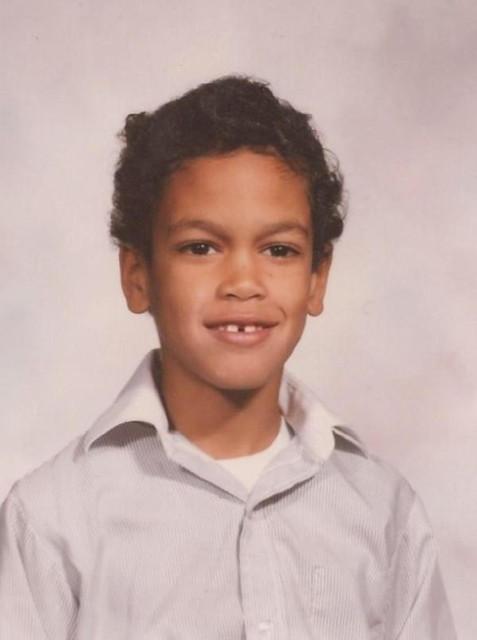
Louis Logic

Hip Hop
Contemporary Hip Hop
Underground Hip Hop
 Viberate Rank: 200527
 Viberate Rank: 200527
 Monthly ListenersFollowers
 Subscribers
 Followers
 Followers
 FansTop Spotify Songs
| Track | 7-Day Streams | |
|---|---|---|
1 | 3.58K | |
2 | 1.90K | |
3 | 1.66K | |
4 | 1.58K | |
5 | 1.05K |
Top YouTube Videos| Video | 7-Day Views | |
|---|---|---|
1 | 6 |
Monthly ListenersFeatured in Playlists| Playlist | Followers | |
|---|---|---|
1 |  Superman Official Playlist Spotify | 131.25K |
2 | Hip hop instrumentals Maximilien Sautreau | 40.78K |
3 |  Instrumental Hip Hop Beats Elias Jungbeck | 39.56K |
4 |  WRMFZY BEATS wrmfzy | 18.79K |
5 | Boom Bap/90s Rap Kharim Ames | 16.71K |
Audience| City | Monthly Listeners | |
|---|---|---|
1 | | 360 |
2 |  | 256 |
3 | | 230 |
4 | | 215 |
5 |  | 193 |
See full performance history, audience data, playlist activity, rankings, comparisons, and more in Viberate music analytics. Start with a free trial, then continue with a paid plan.
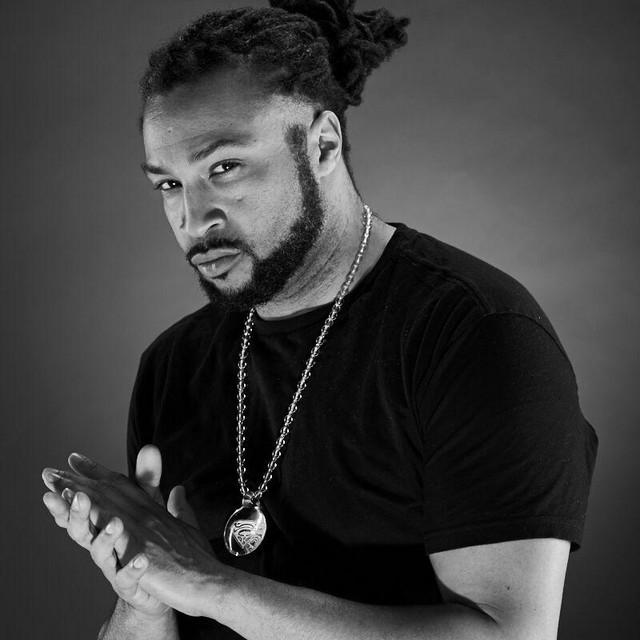
Louis Logic’s Spotify BioIf Nick Hornby ever wrote a novel about an underground hip-hop star, the main character could be louis logic, down to his self-consciously ironic stage name. Underneath the alcoholic persona, however, louis is a sharp-witted MC and songwriter whose rhymes blend clever comedy and rueful commentary about interpersonal and social concerns. While in college at Penn State University, Louis fell in with a DJ and aspiring producer named J.J. Brown, and then a prolific underground hip-hop duo called Jedi Mind Tricks. Louis’ first appearance was the 12" single "Trinity" with Jedi Mind Tricks in 1998, quickly followed by a series of singles and collaborations with MF DOOM, Celph Titled, and Travie McCoy. Some of these were eventually collected in a series of self released mix tapes before his 2003 studio full length debut Sin-a-Matic (Deluxe Edition). Louis collaborated in a vast series of side projects including Demigodz, the The Odd Couple with Jay Love and a surf-rap fusion project called… Spork Kills with Danish multi-instrumentalists Beatman & Rockin. His second studio album, 2006's Misery Loves Comedy (Deluxe Edition) was released as louis logic & J.J. Brown. Between 2006 and 2013, Louis studied piano and voice, releasing his last studio album to date, the self produced Look On The Blight Side in 2013 on genre defying Ceschi’s label Fake Four Inc. In 2017 Louis self released his first non-rap project, the electronic indie-pop TOYFRiEND with avant-garde indie rap producer/MC, ECID.
Viberate is a music analytics platform built for A&Rs, artist managers, labels, booking agents, marketers, and artists.
It helps music professionals track artist growth, analyze audience data, monitor playlist activity, compare artists, follow song performance, and identify opportunities across the music market.
Public artist pages provide a free preview of selected artist data. Paid plans provide access to deeper analytics, historical data, charts, comparisons, playlist tools, exports, alerts, reports, and additional professional features.
Yes. Public Viberate artist pages provide selected artist analytics and music data for free.
Viberate also offers a 7-day free trial of the full platform. A credit card is required to start the trial. The trial includes access to the complete product so users can test deeper artist analytics, historical views, playlist insights, comparisons, charts, exports, alerts, and reporting features before choosing a paid plan.
Viberate provides artist analytics across streaming, playlists, social media, video, radio airplay, songs, and audience markets.
Users can analyze Spotify performance, Spotify and Apple Music playlists, YouTube activity, TikTok and Instagram growth, radio spins, song performance, audience locations, demographics, rankings, and overall artist momentum.
Artist profiles also connect to music charts, similar artists, and comparison tools, helping users benchmark performance and evaluate artists in context.
Viberate updates key artist and track data daily.
For followed artists and tracks, selected data is refreshed multiple times per day. This helps teams monitor playlist changes, streaming movement, audience growth, releases, and campaign performance with more current data.
Update frequency can vary depending on the metric and data source.
Yes. Viberate lets users compare up to five artists side by side across streaming, social media, audience, and engagement metrics.
Users can compare fanbase growth, audience demographics, locations, Spotify performance, social metrics, and other artist data over selected time periods.
Artist comparison can be used for A&R scouting, benchmarking, booking decisions, campaign planning, and evaluating artists with similar audiences or market positions.