Molemen

Hip Hop
Contemporary Hip Hop
Underground Hip Hop
 Viberate Rank: 302122
 Viberate Rank: 302122
 Monthly ListenersFollowers
 Subscribers
 Followers
 Followers
 FansTop Spotify Songs
| Track | 7-Day Streams | |
|---|---|---|
1 | 2.93K | |
2 | 1.75K | |
3 | 1.02K | |
4 | 776 | |
5 | 661 |
Top YouTube VideosMonthly ListenersFeatured in Playlists| Playlist | Followers | |
|---|---|---|
1 | Hip hop instrumentals Maximilien Sautreau | 40.78K |
2 |  MF DOOM FOREVER Rhymesayers | 37.45K |
3 |  2000s zen yoga mom 🧘♀️🥗🍵🪷🏔️🍈☮️ maria | 32.93K |
4 |  Hip Hop Beats / Instrumentals / Boom Bap / Lofi Hip Hop Beats / Rap Beats / Instrumentals 90s 💎💎💎 Worldstar Playlists | 26.98K |
5 |  Tony Hawk's American Wasteland (2005) ジュリアーノ 64 | 22.28K |
Audience| City | Monthly Listeners | |
|---|---|---|
1 | | 469 |
2 | | 424 |
3 | | 248 |
4 | | 233 |
5 |  | 208 |
See full performance history, audience data, playlist activity, rankings, comparisons, and more in Viberate music analytics. Start with a free trial, then continue with a paid plan.
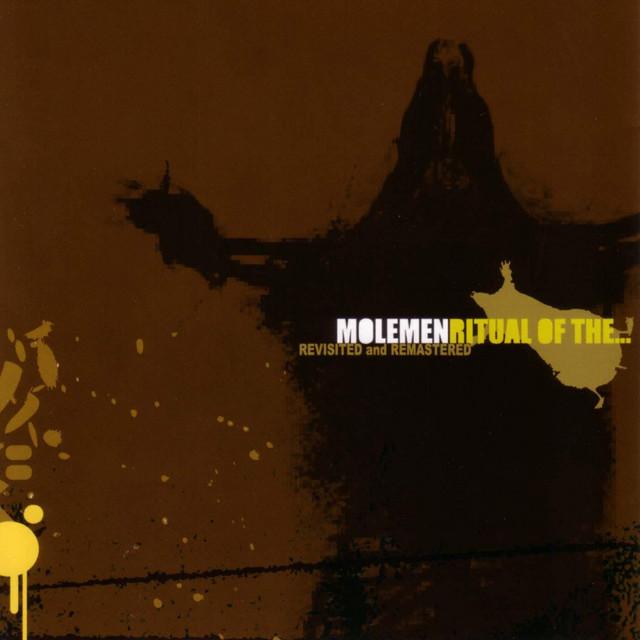
Molemen’s Spotify BioChicago's premier underground hip-hop production team, the Molemen consist of members Panik, Memo, and PNS. The group was formed in the early to mid-'90s around frontman Panik (aka His-Panik), who had the business expertise as well as connections with local Chicago rappers, namely Vakill. The Molemen have almost always produced for a few select artists, including Vakill, J.U.I.C.E., and Mass Hysteria, affiliated with their Molemen Records label. However, among the three of them, they have supplied beats to high-ranking underground acts such as MF Doom, Atmosphere, Buck 65, Sage Francis, and fellow Chicagoan Rhymefest, whose first recordings appeared on the Molemen compilation EP Buried Alive in 1999. Among the several compilation albums released by the Molemen in the 2000s, Ritual of The... (2001) and Killing Fields (2006) were their definitive LPs, establishing them as mainstays in Chicago and in underground hip-hop as a whole. The latter album's slew of noteworthy guest spots was a… definite indicator of this: Kool G Rap, Brother Ali, Mikah 9 (of Freestyle Fellowship), Del tha Funkee Homosapien, and Saigon. ~ Cyril Cordor, Rovi
Viberate is a music analytics platform built for A&Rs, artist managers, labels, booking agents, marketers, and artists.
It helps music professionals track artist growth, analyze audience data, monitor playlist activity, compare artists, follow song performance, and identify opportunities across the music market.
Public artist pages provide a free preview of selected artist data. Paid plans provide access to deeper analytics, historical data, charts, comparisons, playlist tools, exports, alerts, reports, and additional professional features.
Yes. Public Viberate artist pages provide selected artist analytics and music data for free.
Viberate also offers a 7-day free trial of the full platform. A credit card is required to start the trial. The trial includes access to the complete product so users can test deeper artist analytics, historical views, playlist insights, comparisons, charts, exports, alerts, and reporting features before choosing a paid plan.
Viberate provides artist analytics across streaming, playlists, social media, video, radio airplay, songs, and audience markets.
Users can analyze Spotify performance, Spotify and Apple Music playlists, YouTube activity, TikTok and Instagram growth, radio spins, song performance, audience locations, demographics, rankings, and overall artist momentum.
Artist profiles also connect to music charts, similar artists, and comparison tools, helping users benchmark performance and evaluate artists in context.
Viberate updates key artist and track data daily.
For followed artists and tracks, selected data is refreshed multiple times per day. This helps teams monitor playlist changes, streaming movement, audience growth, releases, and campaign performance with more current data.
Update frequency can vary depending on the metric and data source.
Yes. Viberate lets users compare up to five artists side by side across streaming, social media, audience, and engagement metrics.
Users can compare fanbase growth, audience demographics, locations, Spotify performance, social metrics, and other artist data over selected time periods.
Artist comparison can be used for A&R scouting, benchmarking, booking decisions, campaign planning, and evaluating artists with similar audiences or market positions.