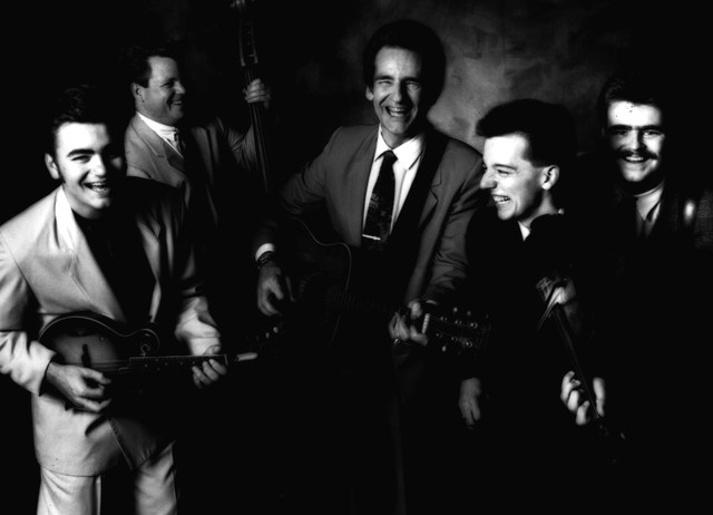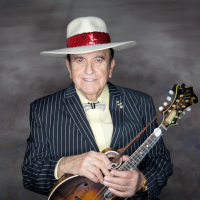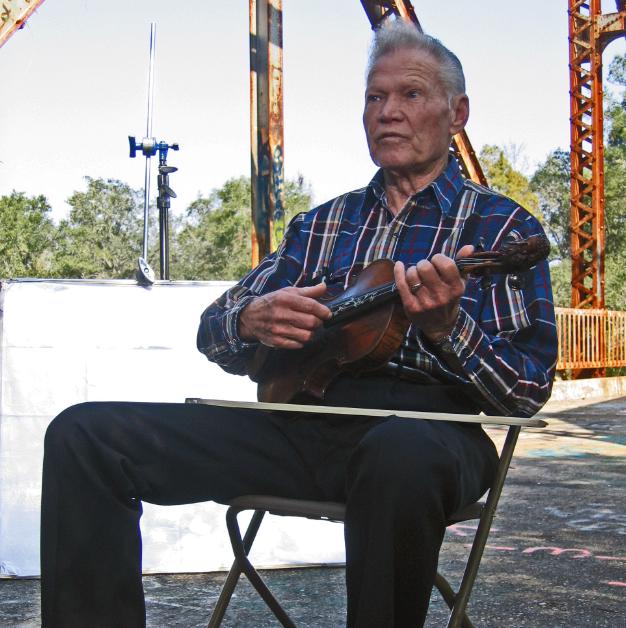
Vassar Clements

Country
Bluegrass
Americana/Alt Country
 Viberate Rank: 261179
 Viberate Rank: 261179
 Monthly ListenersFollowers
 Subscribers
 Followers
 Followers
 FansTop Spotify Songs
| Track | 7-Day Streams | |
|---|---|---|
1 | 2.90K | |
2 | 2.47K | |
3 | 1.02K | |
4 | 979 | |
5 | 438 |
Top YouTube VideosMonthly ListenersFeatured in Playlists| Playlist | Followers | |
|---|---|---|
1 | 60 Best Bluegrass Songs of All Time Student of Guitar | 17.55K |
2 | Simon And Garfunkel's Greatest Hits* Tim Heal | 14.98K |
3 | Hayden Eldridge | 13.26K |
4 | Bluegrass 1258178990 | 7.83K |
5 |  Billy Strings: Covers legginbass13 | 6.81K |
Audience| City | Monthly Listeners | |
|---|---|---|
1 | | 62 |
2 | | 56 |
3 | | 54 |
4 | | 46 |
5 | | 43 |
See full performance history, audience data, playlist activity, rankings, comparisons, and more in Viberate music analytics. Start with a free trial, then continue with a paid plan.
Vassar Clements’ Spotify BioCombining jazz with country, Vassar Clements became one of the most distinctive, inventive, and popular fiddlers in bluegrass music. Clements first came to prominence as a member of Bill Monroe's band in the early '50s, but he never limited himself to traditional bluegrass. Over the next four decades, he distinguished himself by incorporating a number of different genres into his style. In the process, he became not only one of the most respected fiddlers in bluegrass, he also became a sought-after session musician, playing with artists as diverse as the Monkees, Hank Williams, Paul McCartney, Michelle Shocked, Vince Gill, and Bonnie Raitt.
Clements taught himself to play fiddle at the age of seven. Soon afterward, he formed a band with two of his cousins. By the time he was 21, Clements' skills were impressive enough to attract the attention of Bill Monroe. Monroe hired the young fiddler and Clements appeared on the Grand Ole Opry with the mandolinist in 1949. The following year, the… fiddler recorded his first session with Monroe.
For the next six years, Clements stayed with Monroe's band, occasionally leaving for brief periods of time. In 1957 he joined Jim & Jesse's Virginia Boys, and stayed with the band for the next four years. In the early '60s Clements was sidelined for a while as he suffered from alcoholism. By the end of the '60s he had rehabilitated, and he returned to playing in 1967. That year he moved to Nashville and began playing the tenor banjo at a residency at the Dixieland Landing Club. In 1969 he toured with Faron Young and joined John Hartford's Dobrolic Plectorial Society. The band only lasted ten months, and after its breakup Clements joined the Earl Scruggs Revue; he stayed with that band for a year.
Clements began playing sessions in 1971, appearing on albums by Steve Goodman, Gordon Lightfoot, David Bromberg, J.J. Cale, and Mike Audridge over the next two years. In 1972 he was featured on the Nitty Gritty Dirt Band's hit album Will the Circle Be Unbroken, which helped establish him as a country and bluegrass star. Clements capitalized on the record's popularity in 1973, when he released his first solo album, Crossing the Catskills, on Rounder Records and began touring the festival and college circuits. That same year, he appeared on a number of albums, including the Grateful Dead's Wake of the Flood, Jimmy Buffett's A White Sport Coat and a Pink Crustacean, and Mickey Newbury's Heaven Help the Child.
In 1974, Clements signed a record contract with Mercury Records, releasing two albums for the label -- Vassar Clements and Superbow -- the following year. That same year, he appeared in the bluegrass supergroup Old & in the Way, which also featured Jerry Garcia, David Grisman, Peter Rowan, and John Kahn. He also had a cameo role in Robert Altman's film Nashville in 1975. In 1977, Clements released two albums for two different labels -- The Vassar Clements Band on MCA Records and The Bluegrass Session on Flying Fish. It would be four years before he released another solo album. During that time, he toured constantly and appeared on numerous albums. Clements reappeared in 1981 with Hillbilly Rides Again and Vassar, which were both released on Flying Fish.
During the '80s and '90s, Clements continued to record sporadically, but he cut numerous sessions for other artists and played numerous concerts every year. In 1995, Clements reunited with Old & in the Way, which released That High Lonesome Sound in 1996. The solo Back Porch Swing followed three years later; Full Circle appeared in spring 2001. In 2004 he released Livin' With the Blues, his first blues-based album. ~ Stephen Thomas Erlewine, Rovi
Viberate is a music analytics platform built for A&Rs, artist managers, labels, booking agents, marketers, and artists.
It helps music professionals track artist growth, analyze audience data, monitor playlist activity, compare artists, follow song performance, and identify opportunities across the music market.
Public artist pages provide a free preview of selected artist data. Paid plans provide access to deeper analytics, historical data, charts, comparisons, playlist tools, exports, alerts, reports, and additional professional features.
Yes. Public Viberate artist pages provide selected artist analytics and music data for free.
Viberate also offers a 7-day free trial of the full platform. A credit card is required to start the trial. The trial includes access to the complete product so users can test deeper artist analytics, historical views, playlist insights, comparisons, charts, exports, alerts, and reporting features before choosing a paid plan.
Viberate provides artist analytics across streaming, playlists, social media, video, radio airplay, songs, and audience markets.
Users can analyze Spotify performance, Spotify and Apple Music playlists, YouTube activity, TikTok and Instagram growth, radio spins, song performance, audience locations, demographics, rankings, and overall artist momentum.
Artist profiles also connect to music charts, similar artists, and comparison tools, helping users benchmark performance and evaluate artists in context.
Viberate updates key artist and track data daily.
For followed artists and tracks, selected data is refreshed multiple times per day. This helps teams monitor playlist changes, streaming movement, audience growth, releases, and campaign performance with more current data.
Update frequency can vary depending on the metric and data source.
Yes. Viberate lets users compare up to five artists side by side across streaming, social media, audience, and engagement metrics.
Users can compare fanbase growth, audience demographics, locations, Spotify performance, social metrics, and other artist data over selected time periods.
Artist comparison can be used for A&R scouting, benchmarking, booking decisions, campaign planning, and evaluating artists with similar audiences or market positions.