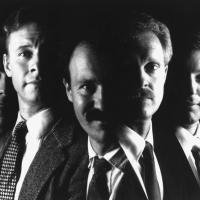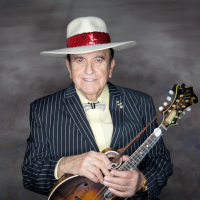
Bobby Osborne

Country
Bluegrass
 Viberate Rank: 229624
 Viberate Rank: 229624
 Monthly ListenersFollowers
 Subscribers
 Followers
 Followers
 FansTop Spotify Songs
| Track | 7-Day Streams | |
|---|---|---|
1 | 7.22K | |
2 | 2.40K | |
3 | 848 | |
4 | 690 | |
5 | 505 |
Top YouTube VideosMonthly ListenersFeatured in Playlists| Playlist | Followers | |
|---|---|---|
1 | Josh Turner: Greatest Hits Bantehbok | 37.93K |
2 | Country Gospel Music Sydnee Saunders | 37.05K |
3 |  Old Country Classics Glenn Asbjørn B. Ovedal | 34.48K |
4 |  Billy Strings Complete billystrings | 22.74K |
5 |  Alison Krauss Greatest Hits mquartercircle | 20.15K |
Audience| City | Monthly Listeners | |
|---|---|---|
1 | | 99 |
2 | | 88 |
3 | | 78 |
4 | | 76 |
5 | | 72 |
See full performance history, audience data, playlist activity, rankings, comparisons, and more in Viberate music analytics. Start with a free trial, then continue with a paid plan.
Bobby Osborne’s Spotify BioKnown as a great mandolinist in his own right, as well as a member of the revolutionary Osborne Brothers band, Bobby Osborne has often been associated with the cutting edge of bluegrass. But the history of his musically rich life leads back to a story that is as sentimental as one of Osborne's soaring mandolin solos is technically pristine. It is the story of a young man, not quite 18, under massive pressure from his father, singing the song "Ruby" over radio station WPFB in Middletown, Ohio.
It was the young Osborne's first radio broadcast. Apparently 50 telegrams arrived immediately requesting that he sing the song again. "Ruby" became something of a good-luck mantra for the Osborne Brothers, who have called it their signature song. It became the group's first recording and was the chosen selection when the group was picked to become a member of the Grand Ole Opry.
The same year as the historic "Ruby" broadcast, Osborne joined the juggernaut Lonesome Pine Fiddlers. This group was just… changing directions from Western swing to bluegrass. Osborne was picking guitar in that period and the other members were Larry Richardson on banjo, Ezra Cline on bass, and Ray Morgan on fiddle. In 1950, Osborne and his brother Jimmy Martin launched a new combo with the somewhat cumbersome name of Jimmy Martin, Bob Osborne & the Sunny Mountain Boys. The band imploded almost immediately, although it did manage to broadcast over the Bristol radio station WCYB, known for its ample bluegrass programming of performers such as Mac Wiseman, Lester Flatt & Earl Scruggs, Jim & Jesse, and the Stanley Brothers. The Cline brothers, Curley Ray Cline and Charlie Cline, rounded out this combo, along with a performer who called himself Little Robert.
Osborne also freelanced as a picker with bands such as the Miami Valley Playboys and the Silver Saddle Boys. He also played with the Stanley Brothers for several weeks, just before he was drafted into the Marines. He was stationed in Korea, put right in the midst of some of the fiercest fighting in that conflict. He was wounded in action and received the Purple Heart. When he got out of the Army, the Osborne Brothers decided to create a group together. At first, they collaborated with Jimmy Martin on projects such as a session for RCA, as well as broadcasting over their own spot in Knoxville. In 1956, the brothers' new group picked up steam and began performing on The Wheeling Jamboree. The band would play on this West Virginia radio program for four years.
A major aspect of Osborne's career then follows the course of the Osborne Brothers, a group that has managed to maintain both its career and integrity for nearly half a century, despite changes in the public's taste as well as band personnel. One could easily place the Osborne Brothers on the short list of the most innovative groups in the history of bluegrass. The brothers should also be complimented for their courage, since going against the grain in the field of bluegrass is not exactly encouraged. One of the major moves made by this group was radically altering the instrumental makeup of a bluegrass combo. Drums, always considered a no-no for bluegrass, were added for the first time by the Osbornes and remained an aspect of progressive bluegrass outfits in the 21st century, in groups such as Leftover Salmon or the String Cheese Incident. The pedal steel guitar, the only really required instrument in a country & western band and definitely appreciated in Western swing, was not present on-stage in a bluegrass band until the Osbornes broke the ice.
No doubt because of the group's forward thinking, they became the first bluegrass group to perform on a college campus in the early '60s. These were the early days of what would become a new era for the genre, as a new college-age audience fanatically began to embrace many traditional musical styles. As the years went on, the brothers toned down their instrumental experimentation and returned to a much more traditional sound and approach. Once again, however, the group was in tune with public tastes, and by the mid-'90s many Nashville country artists and their audiences were ready to do the same thing, dropping the pop-influenced, now cold potato of Nashville commercialization and returning to acoustic bluegrass and old-time sounds.
No matter what direction the brothers may take, they have made a profound impact on the bluegrass scene -- not only through innovations, but with their beautiful harmony singing, which sets the standard for this genre. Osborne's mandolin picking, influenced heavily by the sounds of fiddles in the early days, continues to thrill musicians, especially mandolinists, who have honored him with awards. There is even a special model of mandolin available called the Bobby Osborne Model.
The mandolinist's freelance career is exemplary, and is documented on many fine recordings under the direction of artists such as fiddler Kenny Baker, vocalist Wilma Lee Cooper, bluegrass mandolin honcho Bill Monroe, and country-swing fiddler Vassar Clements. He has crooned background and harmony vocals with the likes of Dolly Parton and Dale Ann Bradley, and has appeared with such contemporary outfits as the Dry Branch Fire Squad and the Evil Mothers. Jazz vibraphonist Gary Burton also included Osborne on his jazz and country fusion adventure, entitled Tennessee Firebird.
Mandolinists seem to adore the album project uniting Osborne with fellow mandolinist Jesse McReynolds, humbly titled Masters of the Mandolin. Osborne's efforts as a songwriter seem to be more than just appreciated by his fellow musicians, as there have been several dozen cover versions of his songs recorded. In the late '90s, he released his first straight country & western record, The Selfishness in Man, on the Original Music Showcase label. On this record, Osborne really gives his vocal chops a workout, performing songs associated with country greats such as George Jones and Lefty Frizzell. 2006's Try a Little Kindness introduced Osborne's new backing band, the Rocky Top X-Press, and was his debut on Rounder Records. A second Rounder release, Bluegrass Melodies, appeared in 2007, with a third for the label, Bluegrass & Beyond, arriving in 2009. Osborne continued to perform regularly over the next few years, and in 2017 he signed to Compass Records and released Original. It proved to be his final album; Bobby Osborne died on June 27, 2023, just weeks after his final Grand Ol' Opry performance, at the age of 91. ~ Eugene Chadbourne, Rovi
Viberate is a music analytics platform built for A&Rs, artist managers, labels, booking agents, marketers, and artists.
It helps music professionals track artist growth, analyze audience data, monitor playlist activity, compare artists, follow song performance, and identify opportunities across the music market.
Public artist pages provide a free preview of selected artist data. Paid plans provide access to deeper analytics, historical data, charts, comparisons, playlist tools, exports, alerts, reports, and additional professional features.
Yes. Public Viberate artist pages provide selected artist analytics and music data for free.
Viberate also offers a 7-day free trial of the full platform. A credit card is required to start the trial. The trial includes access to the complete product so users can test deeper artist analytics, historical views, playlist insights, comparisons, charts, exports, alerts, and reporting features before choosing a paid plan.
Viberate provides artist analytics across streaming, playlists, social media, video, radio airplay, songs, and audience markets.
Users can analyze Spotify performance, Spotify and Apple Music playlists, YouTube activity, TikTok and Instagram growth, radio spins, song performance, audience locations, demographics, rankings, and overall artist momentum.
Artist profiles also connect to music charts, similar artists, and comparison tools, helping users benchmark performance and evaluate artists in context.
Viberate updates key artist and track data daily.
For followed artists and tracks, selected data is refreshed multiple times per day. This helps teams monitor playlist changes, streaming movement, audience growth, releases, and campaign performance with more current data.
Update frequency can vary depending on the metric and data source.
Yes. Viberate lets users compare up to five artists side by side across streaming, social media, audience, and engagement metrics.
Users can compare fanbase growth, audience demographics, locations, Spotify performance, social metrics, and other artist data over selected time periods.
Artist comparison can be used for A&R scouting, benchmarking, booking decisions, campaign planning, and evaluating artists with similar audiences or market positions.