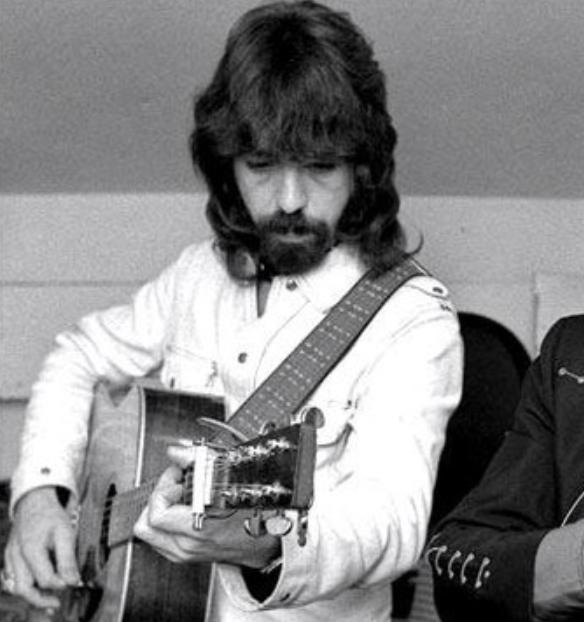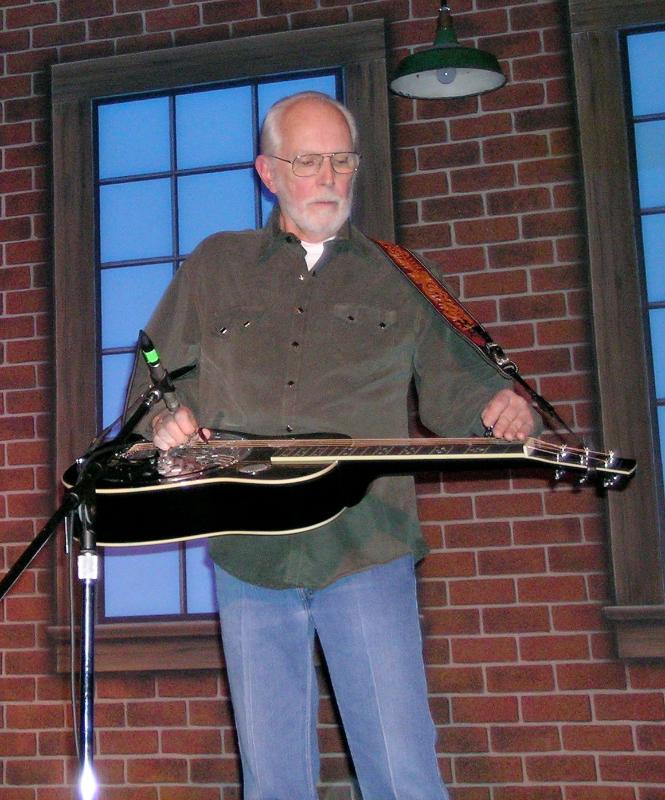
Mike Auldridge

Country
Bluegrass
 Viberate Rank: 418186
 Viberate Rank: 418186
 Monthly ListenersFollowers
 Subscribers
 Followers
 Followers
 FansTop Spotify Songs
| Track | 7-Day Streams | |
|---|---|---|
1 | 324 | |
2 | 106 | |
3 | 105 | |
4 | 70 | |
5 | 69 |
Top YouTube VideosMonthly ListenersFeatured in Playlists| Playlist | Followers | |
|---|---|---|
1 | Hayden Eldridge | 13.26K |
2 | Bluegrass 1258178990 | 7.83K |
3 |  Billy Strings: Covers legginbass13 | 6.82K |
4 | Psychedelic Country & Weird American Music Tyler Roberts | 5.59K |
5 |  Traditional Bluegrass Seneca Creek Bluegrass | 4.67K |
Audience| City | Monthly Listeners | |
|---|---|---|
1 | | 31 |
2 | | 30 |
3 | | 26 |
4 | | 25 |
5 | | 25 |
See full performance history, audience data, playlist activity, rankings, comparisons, and more in Viberate music analytics. Start with a free trial, then continue with a paid plan.
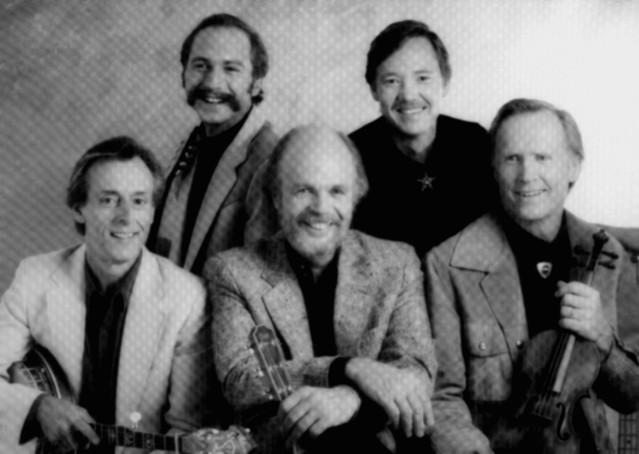
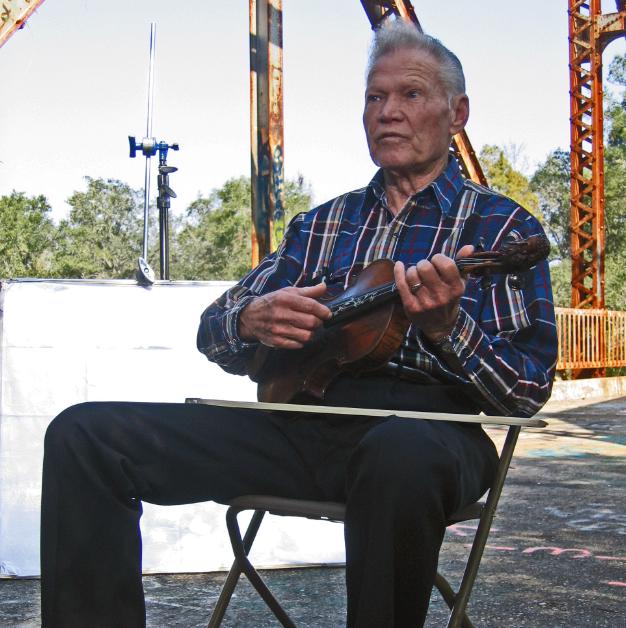
Mike Auldridge’s Spotify BioWith his skill and his broad definition of the meaning of bluegrass music, Mike Auldridge became known over his multi-decade career as a master of the dobro, or resonator guitar. Raised in Kensington, Maryland, he began playing guitar at 12, adding banjo when he was 16 and settling on Dobro at 17. In 1954, he made his first radio appearance on a local show, playing in a band with his brother, Dave. He graduated from the University of Maryland in 1967 and became a commercial artist, while continuing to play at local clubs. In 1969, he joined the New Shade of Green. That group soon gained a strong following and helped highlight Auldridge's unique expressive style on the Dobro. He joined the Seldom Scene in 1971, and remained with that group through multiple personnel changes up until the mid-'90s, then later rejoined them on a part-time basis in 2002. The group became pioneers of the newgrass sound that incorporated elements of jazz, folk, and rock into traditional bluegrass harmonies.… Their eclectic material spanned original compositions as well as cover songs that ranged from J.J. Cale's "After Midnight" to Eric Clapton's "Lay Down Sally."
Such flexibility provided a good jumping off point for Auldridge's solo work, which was aided in the beginning by several members of the Seldom Scene. Auldridge's first two solo albums for Takoma, Dobro and Blues & Bluegrass, both feature a melding of unconventional cover songs, like Roberta Flack's "Killing Me Softly"; deep emotive playing; and the sometimes welcome, sometimes out-of-place contributions of high-profile guest stars like Ricky Skaggs and Linda Ronstadt. As he continued to record through the '70s for labels like Flying Fish, he also kept busy doing session work for Ronstadt, Emmylou Harris, Jonathan Edwards, and Jimmy Arnold. His work in the late '80s and early '90s for Sugar Hill, especially Eight String Swing, took his multi-genre experimentations a step further. In the mid-'90s, Auldridge transferred his energies from the Seldom Scene to Chesapeake, a more serious band with a smaller and more stable lineup. That band produced several recordings for Sugar Hill and also helped spawn a pair of trio recordings made by Auldridge, Jimmy Gaudreau, and Richard Bennett, 2000's This Old Town and 2001's Blue Lonesome Wind. After a decade-long battle with prostate cancer, Mike Auldridge died in late December of 2012, one day shy of his 74th birthday. ~ Stacia Proefrock, Rovi
Viberate is a music analytics platform built for A&Rs, artist managers, labels, booking agents, marketers, and artists.
It helps music professionals track artist growth, analyze audience data, monitor playlist activity, compare artists, follow song performance, and identify opportunities across the music market.
Public artist pages provide a free preview of selected artist data. Paid plans provide access to deeper analytics, historical data, charts, comparisons, playlist tools, exports, alerts, reports, and additional professional features.
Yes. Public Viberate artist pages provide selected artist analytics and music data for free.
Viberate also offers a 7-day free trial of the full platform. A credit card is required to start the trial. The trial includes access to the complete product so users can test deeper artist analytics, historical views, playlist insights, comparisons, charts, exports, alerts, and reporting features before choosing a paid plan.
Viberate provides artist analytics across streaming, playlists, social media, video, radio airplay, songs, and audience markets.
Users can analyze Spotify performance, Spotify and Apple Music playlists, YouTube activity, TikTok and Instagram growth, radio spins, song performance, audience locations, demographics, rankings, and overall artist momentum.
Artist profiles also connect to music charts, similar artists, and comparison tools, helping users benchmark performance and evaluate artists in context.
Viberate updates key artist and track data daily.
For followed artists and tracks, selected data is refreshed multiple times per day. This helps teams monitor playlist changes, streaming movement, audience growth, releases, and campaign performance with more current data.
Update frequency can vary depending on the metric and data source.
Yes. Viberate lets users compare up to five artists side by side across streaming, social media, audience, and engagement metrics.
Users can compare fanbase growth, audience demographics, locations, Spotify performance, social metrics, and other artist data over selected time periods.
Artist comparison can be used for A&R scouting, benchmarking, booking decisions, campaign planning, and evaluating artists with similar audiences or market positions.