Clarence White

Country
Americana/Alt Country
Bluegrass
 Viberate Rank: 305337
 Viberate Rank: 305337
 Monthly ListenersFollowers
 Subscribers
 Followers
 Followers
 FansTop Spotify Songs
| Track | 7-Day Streams | |
|---|---|---|
1 | 1.40K | |
2 | 818 | |
3 | 794 | |
4 | 534 | |
5 | 534 |
Top YouTube VideosMonthly ListenersFeatured in Playlists| Playlist | Followers | |
|---|---|---|
1 | 60 Best Bluegrass Songs of All Time Student of Guitar | 17.55K |
2 |  This Is Gram Parsons Spotify | 6.28K |
3 |  Trucker Music Dr Sussy Magussy | 6.16K |
4 | Psychedelic Country & Weird American Music Tyler Roberts | 5.59K |
5 |  Traditional Bluegrass Seneca Creek Bluegrass | 4.67K |
Audience| City | Monthly Listeners | |
|---|---|---|
1 | | 172 |
2 | | 154 |
3 | | 152 |
4 | | 148 |
5 | | 134 |
See full performance history, audience data, playlist activity, rankings, comparisons, and more in Viberate music analytics. Start with a free trial, then continue with a paid plan.
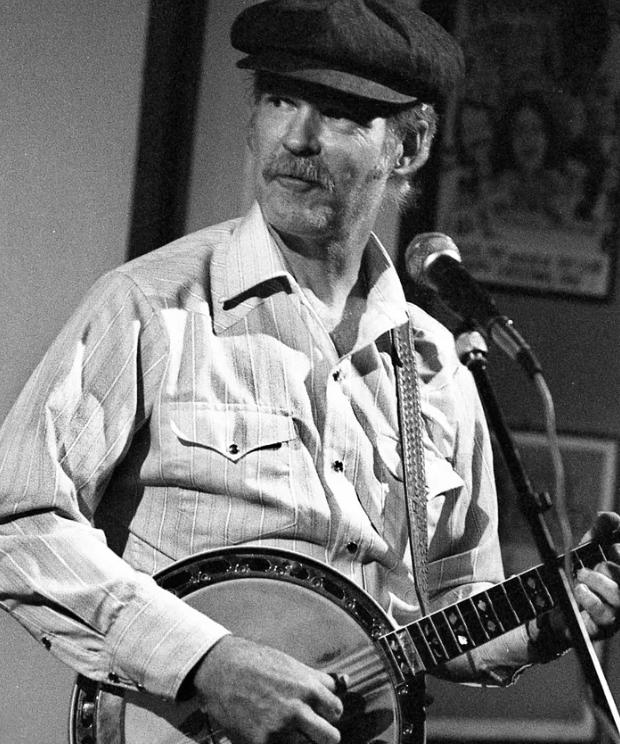
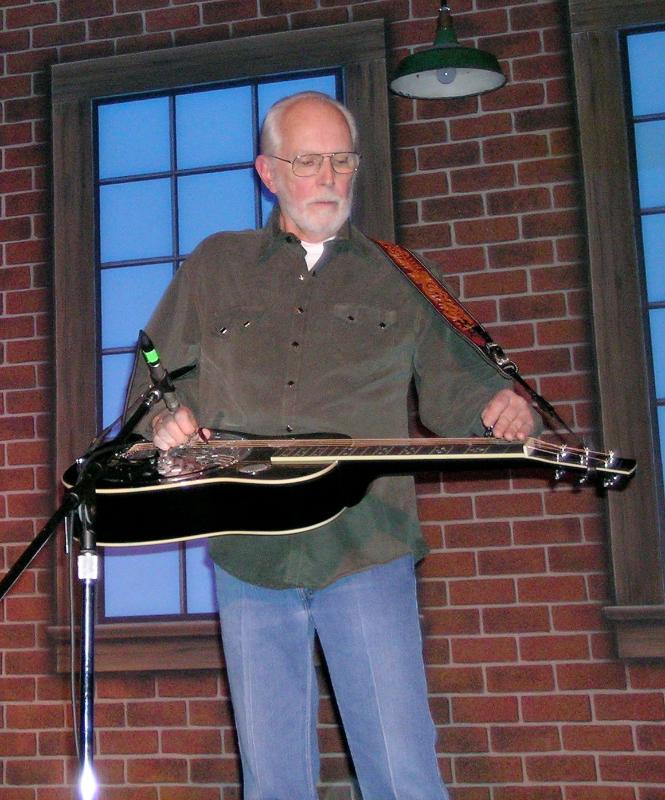
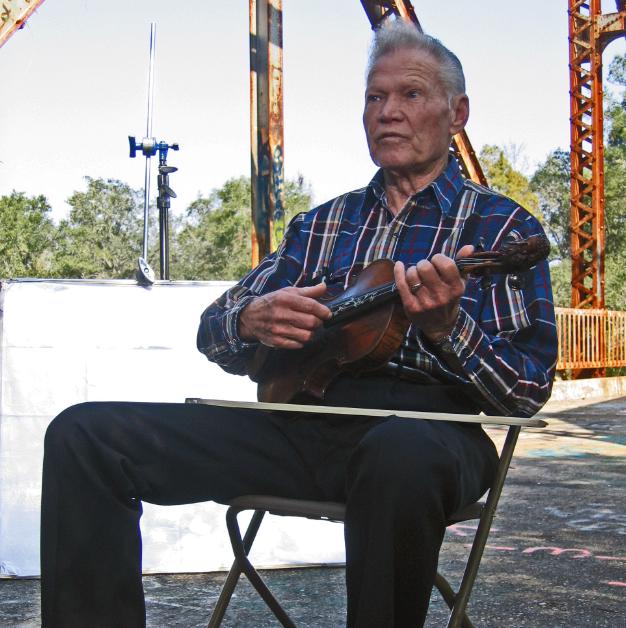
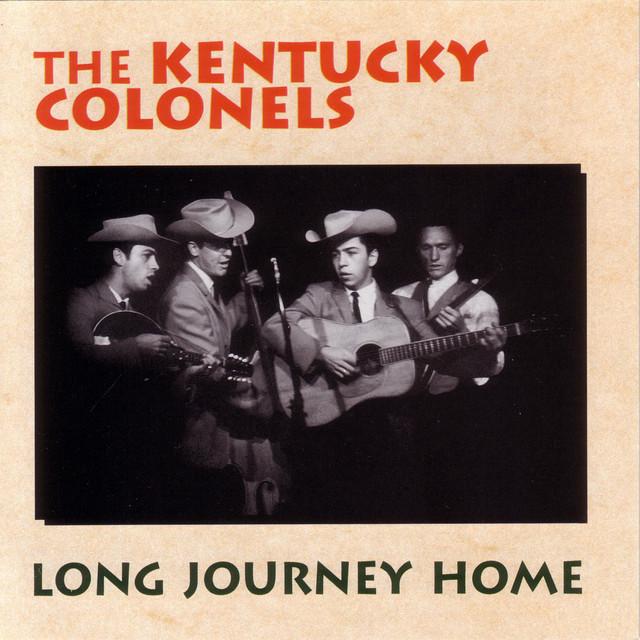
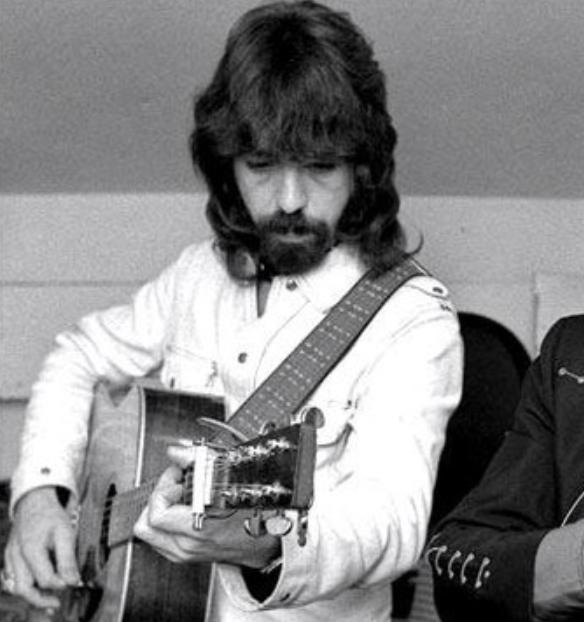
Clarence White’s Spotify BioClarence White was a gifted guitarist who was one of the pioneers of country-rock in the late '60s. Although died young, his work with the Byrds and the Kentucky Colonels, among others, remained celebrated among country-rock and bluegrass aficionados in the decades following his death.
Born in Maine but raised in California, White began playing the guitar at an early age, joining his brothers' band, the Country Boys, when he was just ten years old. The band eventually evolved into the Kentucky Colonels. Clarence left the Colonels in the mid-'60s, becoming a session musician; he played electric guitar on many rock and pop albums. He also began playing with the duo of Gib Gilbeau and Gene Parsons in local California clubs. Gilbeau and Parsons frequently worked with the Gosdin Brothers, so the duo was able to land a cameo appearance for White on the Gene Clark With the Gosdin Brothers album. Around the same time, Clarence recorded a solo album for Bakersfield International which the label… didn't release.
In 1968, White joined Nashville West, which also featured Gene Parsons, Gib Gilbeau, Sneaky Pete Kleinow, Glen D. Hardin, and Wayne Moore. Nashville West recorded an album for Sierra Records, but the record didn't appear until 1978. White was invited to join the Byrds in the fall of 1968. Roger McGuinn was rebuilding the Byrds' lineup after the departure of Chris Hillman and Gram Parsons, who went on to form the Flying Burrito Brothers. Clarence White fit into the revamped Byrds' country-rock direction. He played on the group's untitled album, which spawned the single "Chestnut Mare." While he was with the band, he continued to work as a session musician, playing on Randy Newman's 12 Songs (1970), Joe Cocker's eponymous 1969 album, and the Everly Brothers' Stories Would Could Tell (1971), among others.
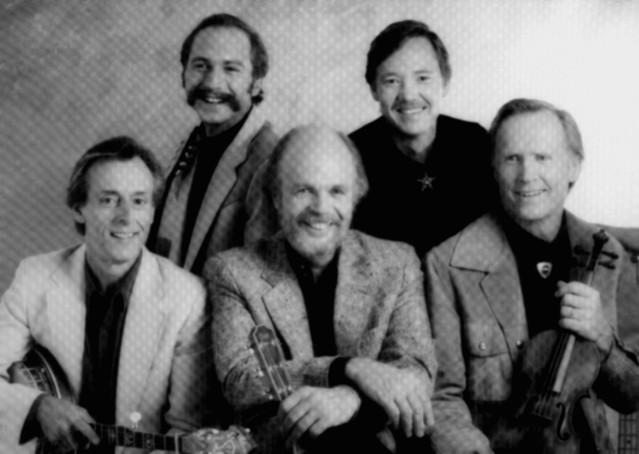
Once the Byrds disbanded in 1973, Clarence White continued his session work and joined Muleskinner, which also featured David Grisman, Peter Rowan, John Guerin, Bill Keith, John Kahn, and Richard Greene. Muleskinner only released one album, which appeared later in 1973.
After the Muleskinner record was finished, White played a few dates with the Kentucky Colonels and began working on a solo album. He had only completed four tracks when he was killed by a drunken driver while he was loading equipment onto a van; he died on July 14, 1973. Following his death, several posthumous albums of his work with the Kentucky Colonels and the Byrds appeared, as did various albums that featured his playing, including Jackson Browne's Late for the Sky and Gene Parsons' Kindling. ~ Stephen Thomas Erlewine, Rovi
Viberate is a music analytics platform built for A&Rs, artist managers, labels, booking agents, marketers, and artists.
It helps music professionals track artist growth, analyze audience data, monitor playlist activity, compare artists, follow song performance, and identify opportunities across the music market.
Public artist pages provide a free preview of selected artist data. Paid plans provide access to deeper analytics, historical data, charts, comparisons, playlist tools, exports, alerts, reports, and additional professional features.
Yes. Public Viberate artist pages provide selected artist analytics and music data for free.
Viberate also offers a 7-day free trial of the full platform. A credit card is required to start the trial. The trial includes access to the complete product so users can test deeper artist analytics, historical views, playlist insights, comparisons, charts, exports, alerts, and reporting features before choosing a paid plan.
Viberate provides artist analytics across streaming, playlists, social media, video, radio airplay, songs, and audience markets.
Users can analyze Spotify performance, Spotify and Apple Music playlists, YouTube activity, TikTok and Instagram growth, radio spins, song performance, audience locations, demographics, rankings, and overall artist momentum.
Artist profiles also connect to music charts, similar artists, and comparison tools, helping users benchmark performance and evaluate artists in context.
Viberate updates key artist and track data daily.
For followed artists and tracks, selected data is refreshed multiple times per day. This helps teams monitor playlist changes, streaming movement, audience growth, releases, and campaign performance with more current data.
Update frequency can vary depending on the metric and data source.
Yes. Viberate lets users compare up to five artists side by side across streaming, social media, audience, and engagement metrics.
Users can compare fanbase growth, audience demographics, locations, Spotify performance, social metrics, and other artist data over selected time periods.
Artist comparison can be used for A&R scouting, benchmarking, booking decisions, campaign planning, and evaluating artists with similar audiences or market positions.