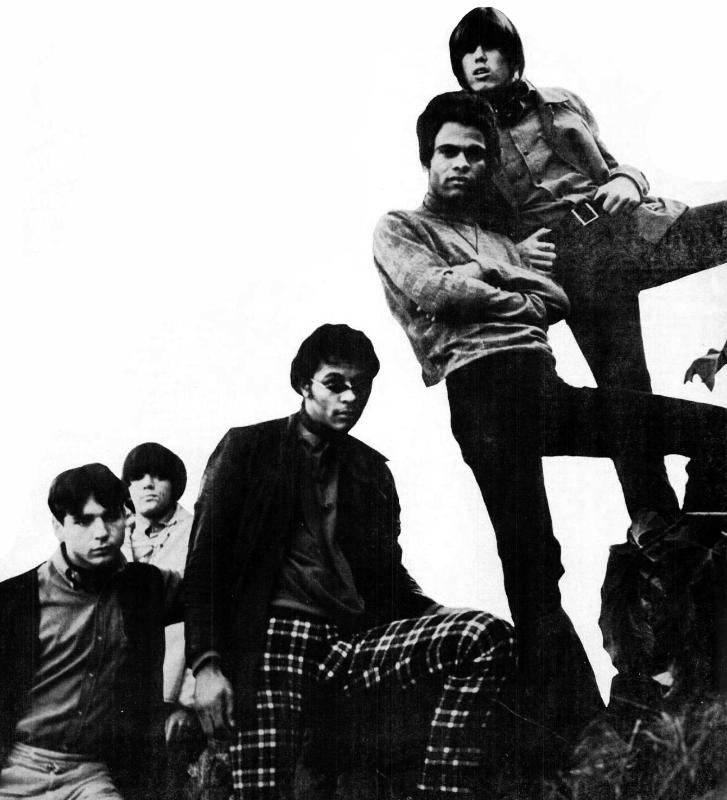
Vanilla Fudge

Rock
Psychedelic Rock
Hard Rock
 Viberate Rank: 58981
 Viberate Rank: 58981
 Monthly ListenersFollowers
 Subscribers
 Followers
 Followers
 FansTop Spotify Songs
| Track | 7-Day Streams | |
|---|---|---|
1 | 75.84K | |
2 | 10.64K | |
3 | 2.18K | |
4 | 1.83K | |
5 | 1.71K |
Top YouTube VideosMonthly ListenersFeatured in Playlists| Playlist | Followers | |
|---|---|---|
1 |  Pulp Fiction Soundtrack KULTPOP! | 205.00K |
2 |  60's Top Tracks Playlistic | 72.78K |
3 |  Best of 60s and 70s Classics drklenk | 64.07K |
4 |  Tarantino Soundtracks (Once Upon A Time in Hollywood, Pulp Fiction, Jackie Brown, Kill Bill,Django) Digster France | 57.80K |
5 |  The Sopranos Soundtrack - Full Playlist cullen_strang | 51.50K |
Audience| City | Monthly Listeners | |
|---|---|---|
1 | | 3.41K |
2 |  | 3.18K |
3 |  | 2.86K |
4 | | 2.78K |
5 | | 2.61K |
See full performance history, audience data, playlist activity, rankings, comparisons, and more in Viberate music analytics. Start with a free trial, then continue with a paid plan.
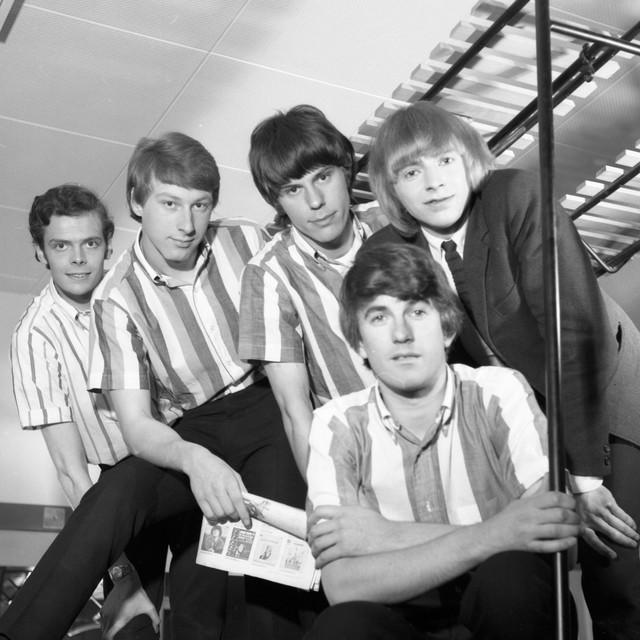
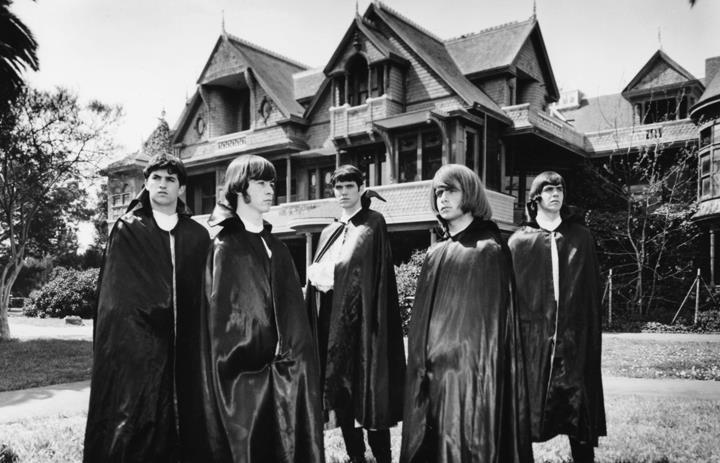
Vanilla Fudge’s Spotify BioVanilla Fudge were one of the few American links between psychedelia and what soon became heavy metal. While the band did record original material, they were best-known for their loud, heavy, slowed-down arrangements of contemporary pop songs, blowing them up to epic proportions and bathing them in a trippy, distorted haze. Originally, Vanilla Fudge was a blue-eyed soul cover band called the Electric Pigeons, who formed in Long Island, New York, in 1965. Organist Mark Stein, bassist Tim Bogert, and drummer Joey Brennan soon shortened their name to the Pigeons and added guitarist Vince Martell. They built a following by gigging extensively up and down the East Coast and earned extra money by providing freelance in-concert backing for girl groups. In early 1966, the group recorded a set of eight demos that were released several years later as While the Whole World Was Eating Vanilla Fudge, credited to Mark Stein & the Pigeons.
Inspired by the Vagrants, another band on the club circuit led… by future Mountain guitarist Leslie West, the Pigeons began to put more effort into reimagining the arrangements of their cover songs. They got so elaborate that by the end of the year, drummer Brennan was replaced by the more technically skilled Carmine Appice. In early 1967, their manager convinced producer George "Shadow" Morton (who'd handled the girl group the Shangri-Las and had since moved into protest folk) to catch their live act. Impressed by their heavy, hard-rocking recasting of the Supremes' "You Keep Me Hangin' On," Morton offered to record the song as a single; the results landed the group a deal with the Atlantic subsidiary Atco, which requested a name change. The band settled on Vanilla Fudge, after a favorite ice cream flavor. "You Keep Me Hangin' On" didn't perform as well as was hoped, but the band toured extensively behind its covers-heavy, jam-oriented debut album Vanilla Fudge, which gradually expanded their fan base. Things started to pick up for them in 1968: early in the year, they headlined the Fillmore West with the Steve Miller Band, performed "You Keep Me Hangin' On" on The Ed Sullivan Show, and released their second album, The Beat Goes On. Despite its somewhat arty, indulgent qualities, the LP was a hit, climbing into the Top 20. That summer, Atco reissued "You Keep Me Hangin' On," and the second time around it climbed into the Top Ten. It was followed by Renaissance, one of Vanilla Fudge's best albums, which also hit the Top 20. The band supported it by touring with Jimi Hendrix, opening several dates on Cream's farewell tour, and later in the year, touring again with the fledgling Led Zeppelin as their opening act.
In 1969, the band kept touring and released their first album without Morton, the expansive, symphonic-tinged Near the Beginning. After part of the band recorded a radio commercial with guitarist Jeff Beck, an idea was hatched to form a Cream-styled power trio with plenty of individual solo spotlights. Exhausted by the constant touring, the band decided that their late-1969 European tour would be their last. Following the release of their final album, Rock & Roll, Vanilla Fudge played a few U.S. farewell dates and disbanded in early 1970. Bogert and Appice first formed the hard rock group Cactus, then later joined Jeff Beck in the aptly named Beck, Bogert & Appice. Appice went on to become an active session and touring musician, working with a variety of rock and hard rock artists. Vanilla Fudge reunited in 1984 for the poorly received Mystery album, and, over the course of the next two decades, Vanilla Fudge would regroup for tours. These reunions often had differing lineups, always anchored by Carmine Appice and usually Tim Bogert, although the latter opted out of an early-'90s incarnation.
At the turn of the millennium, the group -- featuring Appice, Bogert, keyboardist Bill Pascali, and guitarist Vince Martell -- launched a more serious comeback heralded by the 2002 album The Return. Several other minor switches in the lineup followed in the next few years and, in 2007, they featured Mark Stein on vocals/keyboards instead of Pascali. That group released Out Through the In Door in 2007. More tours followed, and membership continued to revolve, with the most notable departure being Bogert in 2011. He was replaced by Pete Bremy, and Vanilla Fudge launched a "Farewell Tour" in 2011, which continued for several years. A studio album, Spirit of '67, appeared in 2015; the band described it as their heaviest work to date. Tim Bogert died on January 13, 2021 after being diagnosed with cancer; he was 76 years old. ~ Steve Huey, Rovi
Viberate is a music analytics platform built for A&Rs, artist managers, labels, booking agents, marketers, and artists.
It helps music professionals track artist growth, analyze audience data, monitor playlist activity, compare artists, follow song performance, and identify opportunities across the music market.
Public artist pages provide a free preview of selected artist data. Paid plans provide access to deeper analytics, historical data, charts, comparisons, playlist tools, exports, alerts, reports, and additional professional features.
Yes. Public Viberate artist pages provide selected artist analytics and music data for free.
Viberate also offers a 7-day free trial of the full platform. A credit card is required to start the trial. The trial includes access to the complete product so users can test deeper artist analytics, historical views, playlist insights, comparisons, charts, exports, alerts, and reporting features before choosing a paid plan.
Viberate provides artist analytics across streaming, playlists, social media, video, radio airplay, songs, and audience markets.
Users can analyze Spotify performance, Spotify and Apple Music playlists, YouTube activity, TikTok and Instagram growth, radio spins, song performance, audience locations, demographics, rankings, and overall artist momentum.
Artist profiles also connect to music charts, similar artists, and comparison tools, helping users benchmark performance and evaluate artists in context.
Viberate updates key artist and track data daily.
For followed artists and tracks, selected data is refreshed multiple times per day. This helps teams monitor playlist changes, streaming movement, audience growth, releases, and campaign performance with more current data.
Update frequency can vary depending on the metric and data source.
Yes. Viberate lets users compare up to five artists side by side across streaming, social media, audience, and engagement metrics.
Users can compare fanbase growth, audience demographics, locations, Spotify performance, social metrics, and other artist data over selected time periods.
Artist comparison can be used for A&R scouting, benchmarking, booking decisions, campaign planning, and evaluating artists with similar audiences or market positions.