Count Five

Rock
Garage Rock
Psychedelic Rock
 Viberate Rank: 92418
 Viberate Rank: 92418
 Monthly ListenersFollowers
 Subscribers
 Followers
 Followers
 FansTop Spotify Songs
| Track | 7-Day Streams | |
|---|---|---|
1 | 60.02K | |
2 | 9.75K | |
3 | 1.95K | |
4 | 1.63K | |
5 | 1.41K |
Top YouTube VideosMonthly ListenersFeatured in Playlists| Playlist | Followers | |
|---|---|---|
1 |  Psychedelic Rock Spotify | 1.27M |
2 |  60s Rock Anthems Spotify | 1.02M |
3 |  Vietnam War Music Extra Music | 754.34K |
4 |  Alternative 60s Spotify | 360.55K |
5 |  60s Rock Drive Spotify | 325.61K |
Audience| City | Monthly Listeners | |
|---|---|---|
1 | | 2.58K |
2 |  | 2.20K |
3 |  | 2.02K |
4 |  | 1.98K |
5 | | 1.93K |
See full performance history, audience data, playlist activity, rankings, comparisons, and more in Viberate music analytics. Start with a free trial, then continue with a paid plan.
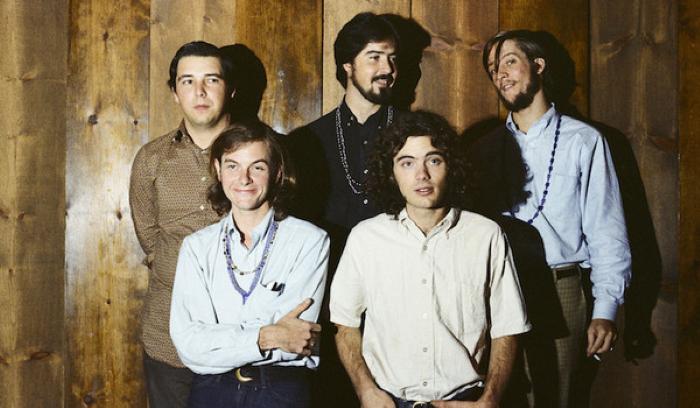
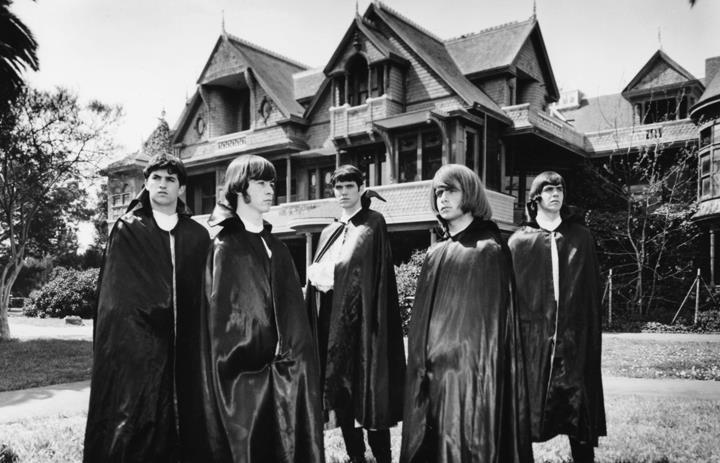
Count Five’s Spotify BioStrictly speaking, based on their raw talent, the Count Five wouldn't rate too much attention from music historians. The definitive one-hit wonders, they failed to make much of a lasting impression on the listening public or on music -- but just play that one hit, "Psychotic Reaction," even 40 years after the fact, and almost any audience will brighten up and want to hear more. Their one fault was that they could never generate more -- they tried but never issued another record half as good.
The Count Five started life in San Jose, CA, in the early '60s with a pair of high school students named John "Mouse" Michalski and Roy Chaney, who had played guitar and bass, respectively, in a succession of local bands such as Johnny & the GTOs and the Renegades, specializing in surf instrumental music. Still in their mid-teens, they changed their name to the Squires, added a singer (Kenn Ellner), and tried picking up on the British Invasion sound; this wouldn't be the last time the group… attempted to adapt to the musical sounds around them. Sean Byrne, an Irish-born guitarist, singer, and songwriter attending San Jose City College, came aboard in late 1964, and the Squires made a local name for themselves over the ensuing year. Then, organist Phil Evans quit for personal reasons and drummer Skip Cordell joined another group; with the arrival of his replacement, Butch Atkinson, the group changed their name to the Count Five. It was just about then that Byrne put the finishing touches on a song he'd been outlining in his head, ultimately called "Psychotic Reaction."
That song, heard by a local DJ named Brian Lord, became the group's key to stardom, at least momentarily. It became a showcase for the band's abilities, especially guitarists Michalski and Byrne, and they began working it up into the crescendo of their stage act. At first it didn't seem to do much good, as the group was turned down by Capitol Records, Fantasy Records, and a handful of other California-based companies, but after working out a new arrangement of "Psychotic Reaction" with the band, Lord got the song and the group placed with Double Shot Records, a Los Angeles-based label. The record -- a chugging, fuzz tone-laden piece of punk defiance with more than a few signature licks and phrasings borrowed from Bo Diddley and the Yardbirds, among others, and a punk attitude that was worthy of the Standells -- eventually made number five nationally and number one in Los Angeles.
Unfortunately, the band was never able to follow up the hit with anything even remotely as successful. An album was rushed out, containing some ill-conceived originals, but nothing that the group did after "Psychotic Reaction" seemed to work. They tried reusing the same formula, working in a slightly more folk-rock vein, and attempting some fresh guitar pyrotechnics (on "The World" and "Pretty Big Mouth" and, in a psychedelic vein, on "Peace of Mind"), plus a pair of pretty fair Who covers ("My Generation" and "Out in the Street"), but by 1967, it was clear that the group's days were numbered. The strain of maintaining music careers while attending college -- which was essential to the members keeping their draft deferments -- took its toll, as did the dwindling bookings, as memory of "Psychotic Reaction" faded. In the end, after an attempt by Double Shot to keep Byrne as the only active member, the Count Five ceased to exist.
Their story might have ended there, as dimly remembered one-shot hitmakers, but for the 1972 release of Nuggets, Lenny Kaye's original '60s garage/psychedelic punk compilation. "Psychotic Reaction" may not have been the most original track on the album, but it was one of the more accessible, and still potent and enjoyable on its own terms six years after the fact; suddenly a new generation of enthusiasts discovered the Count Five. Yardbirds fans, in particular, tended to despise the group for having ripped off many of lead guitarist Jeff Beck's pyrotechnical tricks in a more commercially successful manner, but generally the song proved a popular oldie selection among more knowing '60s listeners, and there was demand for their album, which resulted in several rounds of reissues on vinyl and CD. In the decades since, the group has rated at least a mention in most histories of garage rock and psychedelic punk, and "Psychotic Reaction" is as much a standard of the genre as the Standells' "Try It" or the Thirteenth Floor Elevators' "You're Gonna Miss Me." ~ Bruce Eder
Viberate is a music analytics platform built for A&Rs, artist managers, labels, booking agents, marketers, and artists.
It helps music professionals track artist growth, analyze audience data, monitor playlist activity, compare artists, follow song performance, and identify opportunities across the music market.
Public artist pages provide a free preview of selected artist data. Paid plans provide access to deeper analytics, historical data, charts, comparisons, playlist tools, exports, alerts, reports, and additional professional features.
Yes. Public Viberate artist pages provide selected artist analytics and music data for free.
Viberate also offers a 7-day free trial of the full platform. A credit card is required to start the trial. The trial includes access to the complete product so users can test deeper artist analytics, historical views, playlist insights, comparisons, charts, exports, alerts, and reporting features before choosing a paid plan.
Viberate provides artist analytics across streaming, playlists, social media, video, radio airplay, songs, and audience markets.
Users can analyze Spotify performance, Spotify and Apple Music playlists, YouTube activity, TikTok and Instagram growth, radio spins, song performance, audience locations, demographics, rankings, and overall artist momentum.
Artist profiles also connect to music charts, similar artists, and comparison tools, helping users benchmark performance and evaluate artists in context.
Viberate updates key artist and track data daily.
For followed artists and tracks, selected data is refreshed multiple times per day. This helps teams monitor playlist changes, streaming movement, audience growth, releases, and campaign performance with more current data.
Update frequency can vary depending on the metric and data source.
Yes. Viberate lets users compare up to five artists side by side across streaming, social media, audience, and engagement metrics.
Users can compare fanbase growth, audience demographics, locations, Spotify performance, social metrics, and other artist data over selected time periods.
Artist comparison can be used for A&R scouting, benchmarking, booking decisions, campaign planning, and evaluating artists with similar audiences or market positions.