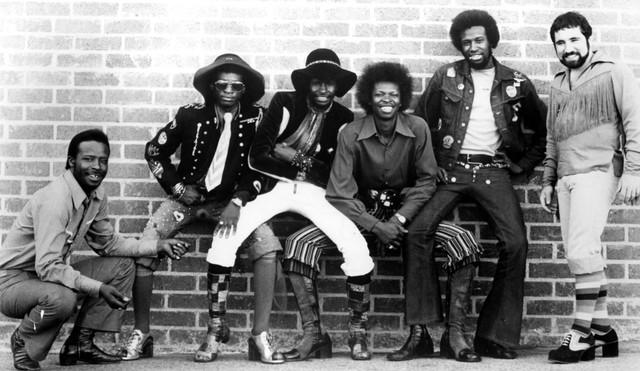
The Chambers Brothers

R&B
Soul
Funk
Psychedelic Rock
 Viberate Rank: 86874
 Viberate Rank: 86874
 Monthly ListenersFollowers
 Subscribers
 Followers
 Followers
 FansTop Spotify Songs
| Track | 7-Day Streams | |
|---|---|---|
1 | 28.77K | |
2 | 3.40K | |
3 | 3.33K | |
4 | 2.91K | |
5 | 1.92K |
Top YouTube VideosMonthly ListenersFeatured in Playlists| Playlist | Followers | |
|---|---|---|
1 |  Psychedelic Rock Spotify | 1.27M |
2 |  60s Rock Anthems Spotify | 1.02M |
3 |  Vietnam War Music Extra Music | 754.51K |
4 |  Supernatural Soundtrack [All Seasons] Solitude Collective | 508.00K |
5 |  1960s Hits 💥 Classics Filtr Sweden | 317.57K |
Audience| City | Monthly Listeners | |
|---|---|---|
1 | | 1.75K |
2 | | 1.57K |
3 | | 1.47K |
4 |  | 1.31K |
5 |  | 1.21K |
See full performance history, audience data, playlist activity, rankings, comparisons, and more in Viberate music analytics. Start with a free trial, then continue with a paid plan.
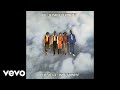
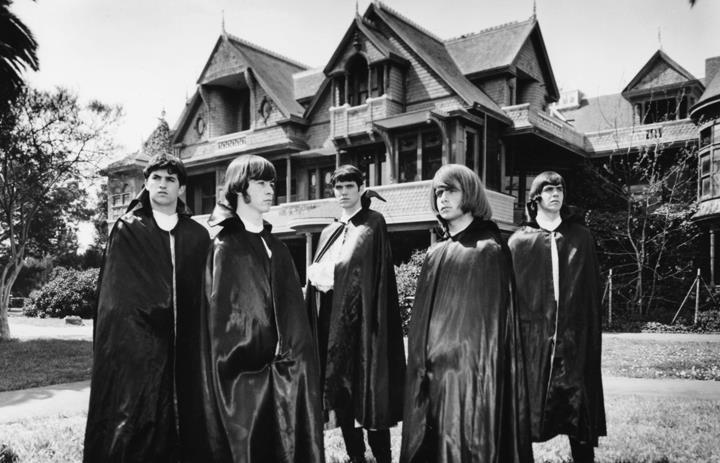
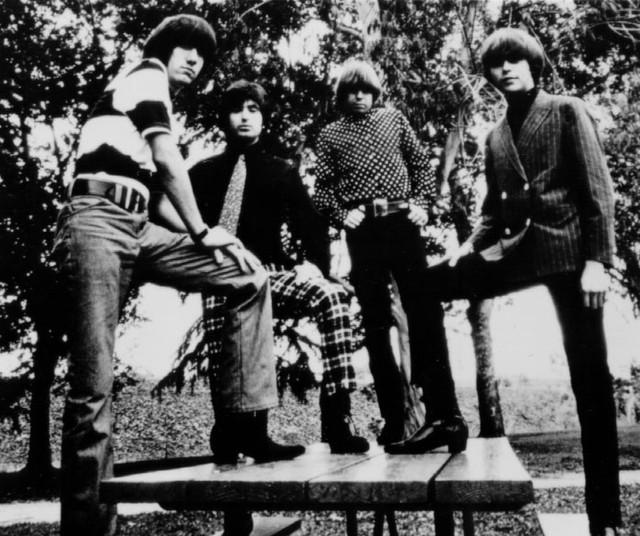
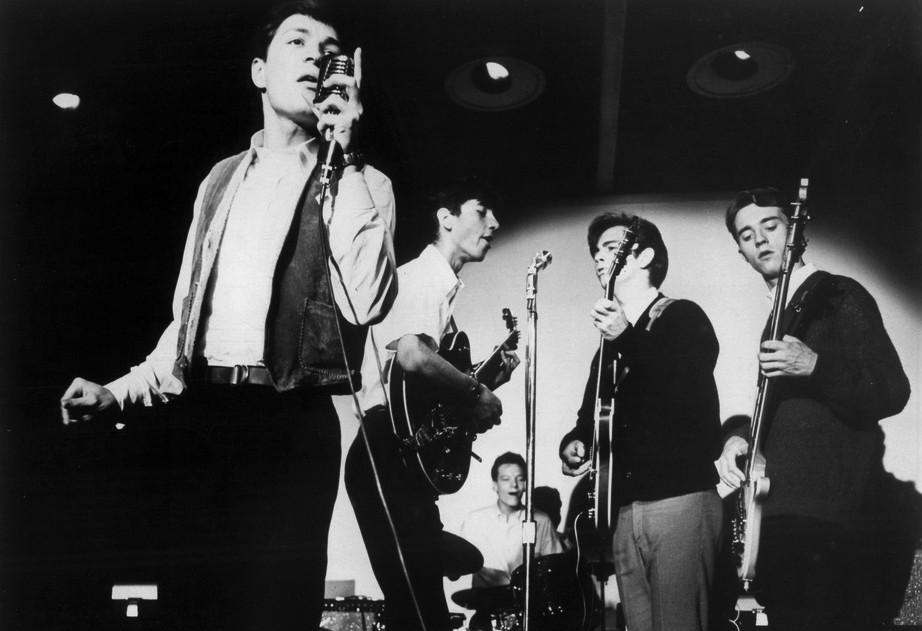
The Chambers Brothers’ Spotify BioLike their West Coast contemporaries Sly & the Family Stone, the Chambers Brothers shattered racial and musical divides to forge an incendiary fusion of funk, gospel, blues, and psychedelia which reached its apex with the perennial 1968 song "Time Has Come Today." The Chambers Brothers -- bassist George, guitarist Willie, harpist Lester, and guitarist Joe, all of whom contributed vocals -- were born and raised in Lee County, Mississippi; the products of an impoverished sharecropping family, the brothers first polished their vocal harmonies in the choir of their Baptist church until George was drafted into the army in 1952. Following his discharge he relocated to Los Angeles, where the other Chambers Brothers soon settled as well; the foursome began performing gospel and folk throughout Southern California in 1954, but remained virtually unknown until appearing in New York City in 1965. The addition of white drummer Brian Keenan not only made the Chambers Brothers an interracial group,… but pushed their music closer to rock & roll; a well-received appearance at the Newport Folk Festival further enhanced their growing reputation, and they soon recorded their debut LP, People Get Ready.
As the Chambers Brothers toured rock clubs (including the famed Fillmore in San Francisco) and R&B venues (most notably the Apollo Theatre) alike, their music increasingly embraced elements of both; after recording 1968's Shout! for the Vault label, the group signed to Columbia to issue Time Has Come Today, scoring a major pop hit with the title track, an 11-minute psychedelic soul epic in its original album incarnation. The follow-up, A New Time - A New Day, yielded another Top 40 hit, a cover of the Otis Redding classic "I Can't Turn You Loose," but subsequent efforts, including 1969's Love, Peace and Happiness and 1970's Live at Fillmore East, failed to maintain the commercial momentum. Upon completing 1972's Oh My God!, the Chambers Brothers disbanded, only to reunite two years later for Unbonded. Right Move appeared in 1975, and although no new studio records were forthcoming, the group regularly performed live in the decades to follow, with the brothers also pursuing individual projects; the Chambers Family Choir, a gospel group including the siblings' children, remained a priority as well. ~ Jason Ankeny, Rovi
Viberate is a music analytics platform built for A&Rs, artist managers, labels, booking agents, marketers, and artists.
It helps music professionals track artist growth, analyze audience data, monitor playlist activity, compare artists, follow song performance, and identify opportunities across the music market.
Public artist pages provide a free preview of selected artist data. Paid plans provide access to deeper analytics, historical data, charts, comparisons, playlist tools, exports, alerts, reports, and additional professional features.
Yes. Public Viberate artist pages provide selected artist analytics and music data for free.
Viberate also offers a 7-day free trial of the full platform. A credit card is required to start the trial. The trial includes access to the complete product so users can test deeper artist analytics, historical views, playlist insights, comparisons, charts, exports, alerts, and reporting features before choosing a paid plan.
Viberate provides artist analytics across streaming, playlists, social media, video, radio airplay, songs, and audience markets.
Users can analyze Spotify performance, Spotify and Apple Music playlists, YouTube activity, TikTok and Instagram growth, radio spins, song performance, audience locations, demographics, rankings, and overall artist momentum.
Artist profiles also connect to music charts, similar artists, and comparison tools, helping users benchmark performance and evaluate artists in context.
Viberate updates key artist and track data daily.
For followed artists and tracks, selected data is refreshed multiple times per day. This helps teams monitor playlist changes, streaming movement, audience growth, releases, and campaign performance with more current data.
Update frequency can vary depending on the metric and data source.
Yes. Viberate lets users compare up to five artists side by side across streaming, social media, audience, and engagement metrics.
Users can compare fanbase growth, audience demographics, locations, Spotify performance, social metrics, and other artist data over selected time periods.
Artist comparison can be used for A&R scouting, benchmarking, booking decisions, campaign planning, and evaluating artists with similar audiences or market positions.