Eric Burdon

Rock
Folk Rock
Psychedelic Rock
Blues Rock
 Viberate Rank: 29509
 Viberate Rank: 29509
 Monthly ListenersFollowers
 Subscribers
 Followers
 Followers
 FansTop Spotify Songs
| Track | 7-Day Streams | |
|---|---|---|
1 | 23.38K | |
2 | 17.79K | |
3 | 10.33K | |
4 | 7.83K | |
5 | 5.33K |
Top YouTube Videos| Video | 7-Day Views | |
|---|---|---|
1 | 108.23K | |
2 | 77.08K | |
3 | 28.65K | |
4 | 28.32K | |
5 | 13.96K |
Monthly ListenersFeatured in Playlists| Playlist | Followers | |
|---|---|---|
1 |  Funk Rock Spotify | 472.14K |
2 |  Outer Banks Official Playlist Spotify | 250.08K |
3 | Covers (that are better than the originals) JTG | 208.99K |
4 |  Outer Banks Season 5, 4, 3, 2, 1 - (All Songs Soundtrack) palumpo records | 96.10K |
5 |  Whiskey Blues 🥃 Тhe Original | The Best Slow Blues / Blues Rock Don's Tunes | 85.92K |
Audience| City | Monthly Listeners | |
|---|---|---|
1 |  | 5.88K |
2 |  | 5.18K |
3 | | 4.67K |
4 |  | 4.49K |
5 | | 4.26K |
See full performance history, audience data, playlist activity, rankings, comparisons, and more in Viberate music analytics. Start with a free trial, then continue with a paid plan.
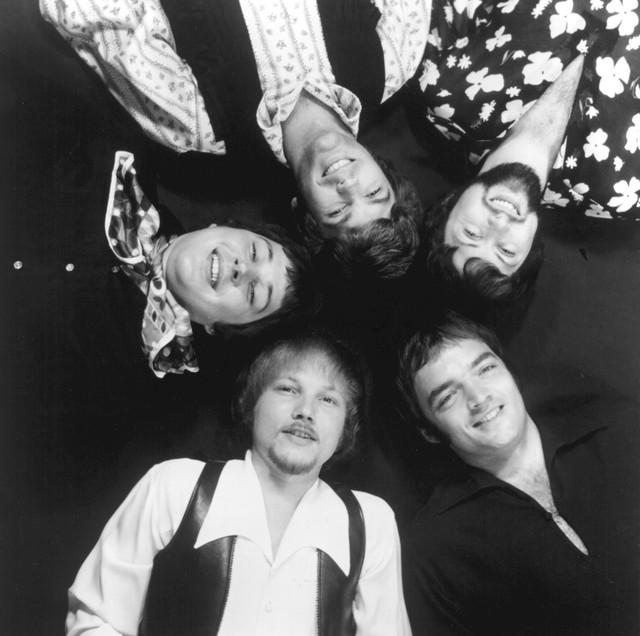
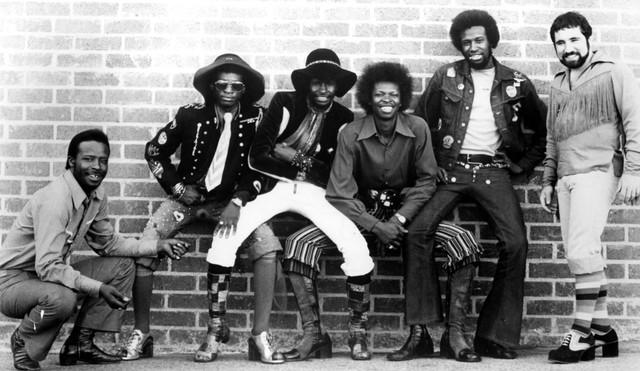
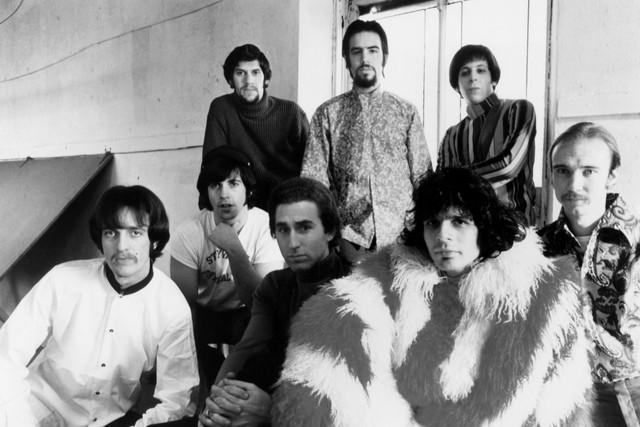
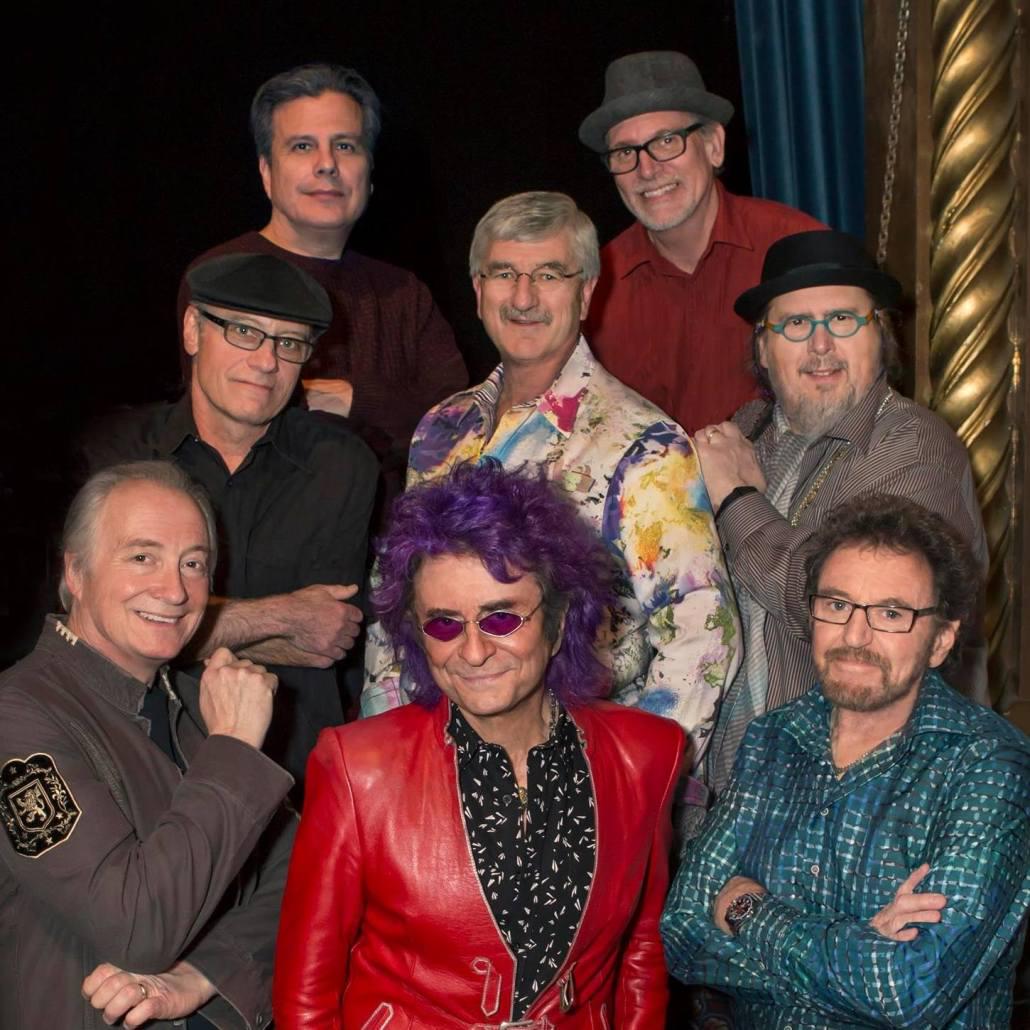
Eric Burdon’s Spotify BioAs the lead singer of the Animals, Eric Burdon was one of the British Invasion's most distinctive vocalists, with a searingly powerful blues-rock voice. When the first lineup of the group fell apart in 1966, Burdon kept the Animals' name going with various players for a few years. Usually billed as Eric Burdon & the Animals, the group was essentially Burdon's vehicle, which he used to purvey a far more psychedelic and less R&B-oriented vision. Occasionally he came up with a good second-division psychedelic hit, like "Sky Pilot"; more often, the music was indulgent, dating it almost immediately. Burdon's real triumphs as a solo artist came at the beginning of the '70s, when he hooked up with a bunch of L.A. journeyman soul/funksters who became his backing band, War. Recording three albums' worth of material in the year or two that they were together, the Burdon/War records could ramble on interminably, and would have benefited from a lot of editing. But they contained some spacy… funkadelia of real quality, especially their number three hit single "Spill the Wine," which was almost recorded as an afterthought in the midst of sessions dominated by exploratory jams. Eric Burdon & War were already big stars on record and stage when Burdon, for reasons unclear to almost everyone, quit the band in 1971. War defied expectations and became even bigger when left to their own devices; Burdon, after recording an album with veteran bluesman Jimmy Witherspoon, cut a series of generally desultory solo albums. He recorded off and on after that, at times with the Animals, but has never come close to reaching the heights of his work with the early Animals and War. Burdon was always a riveting live performer, though, and he continued to tour with various incarnations of the Animals and as a solo act, branching out as a painter and author as well, and working in the studio when it suited him.
Burdon continued on this journeyman path until well into the new millennium, recording such solid albums as 2004's My Secret Life and 2006's Soul of a Man. In 2012, he experienced an unexpected comeback when Bruce Springsteen made him a cornerstone of his keynote speech at South by Southwest. Burdon joined Springsteen on-stage and was soon in demand. First, he recorded an EP with the Ohio-based garage rockers the Greenhornes, and then he devoted himself to the full-length 'Til Your River Runs Dry, which received a high-profile launch in January 2013. ~ Richie Unterberger, Rovi
Viberate is a music analytics platform built for A&Rs, artist managers, labels, booking agents, marketers, and artists.
It helps music professionals track artist growth, analyze audience data, monitor playlist activity, compare artists, follow song performance, and identify opportunities across the music market.
Public artist pages provide a free preview of selected artist data. Paid plans provide access to deeper analytics, historical data, charts, comparisons, playlist tools, exports, alerts, reports, and additional professional features.
Yes. Public Viberate artist pages provide selected artist analytics and music data for free.
Viberate also offers a 7-day free trial of the full platform. A credit card is required to start the trial. The trial includes access to the complete product so users can test deeper artist analytics, historical views, playlist insights, comparisons, charts, exports, alerts, and reporting features before choosing a paid plan.
Viberate provides artist analytics across streaming, playlists, social media, video, radio airplay, songs, and audience markets.
Users can analyze Spotify performance, Spotify and Apple Music playlists, YouTube activity, TikTok and Instagram growth, radio spins, song performance, audience locations, demographics, rankings, and overall artist momentum.
Artist profiles also connect to music charts, similar artists, and comparison tools, helping users benchmark performance and evaluate artists in context.
Viberate updates key artist and track data daily.
For followed artists and tracks, selected data is refreshed multiple times per day. This helps teams monitor playlist changes, streaming movement, audience growth, releases, and campaign performance with more current data.
Update frequency can vary depending on the metric and data source.
Yes. Viberate lets users compare up to five artists side by side across streaming, social media, audience, and engagement metrics.
Users can compare fanbase growth, audience demographics, locations, Spotify performance, social metrics, and other artist data over selected time periods.
Artist comparison can be used for A&R scouting, benchmarking, booking decisions, campaign planning, and evaluating artists with similar audiences or market positions.