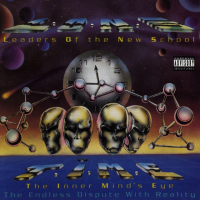
3rd Bass

Hip Hop
Contemporary Hip Hop
Contemporary R&B
 Viberate Rank: 79049
 Viberate Rank: 79049
 Monthly ListenersFollowers
 Subscribers
 Followers
 Followers
 FansTop Spotify Songs
| Track | 7-Day Streams | |
|---|---|---|
1 | 14.31K | |
2 | 12.35K | |
3 | 5.38K | |
4 | 3.59K | |
5 | 2.27K |
Top YouTube Videos| Video | 7-Day Views | |
|---|---|---|
1 | 7.63K | |
2 | 4.04K | |
3 | 2.79K | |
4 | 2.25K |
Monthly ListenersFeatured in Playlists| Playlist | Followers | |
|---|---|---|
1 |  I Love My '80s Hip-Hop Spotify | 459.54K |
2 |  Mid90s Soundtrack SoundtrackStunners | 74.03K |
3 | Hip Hop I Grew Up On Mike Shinoda | 73.44K |
4 |  90's Rap Instrumentals Sepehr Aman | 50.23K |
5 |  MF DOOM FOREVER Rhymesayers | 37.45K |
Audience| City | Monthly Listeners | |
|---|---|---|
1 |  | 2.17K |
2 | | 1.81K |
3 | | 1.58K |
4 | | 1.32K |
5 | | 1.25K |
See full performance history, audience data, playlist activity, rankings, comparisons, and more in Viberate music analytics. Start with a free trial, then continue with a paid plan.
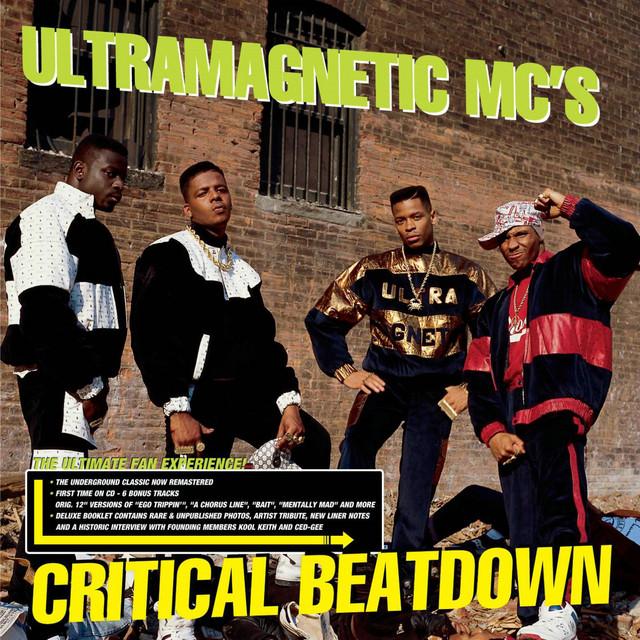
3rd Bass’ Spotify Bio3rd Bass was one of a still-small number of white hip-hop artists to achieve wide acceptance in the larger community. Along with the Beastie Boys, 3rd Bass proved that white hip-hop wasn't necessarily going to become a watered-down, commercially exploitative rip-off of the genuine article, as so many white interpretations of Black musical forms had been in the past. Instead, they were possessed of a well-developed lyrical technique and were respectfully well-versed in hip-hop culture and tradition. They helped set the tone for the way white rappers could credibly and intelligently approach the music, and despite staying together for only two albums, they managed to create a highly positive lasting impact.
3rd Bass was formed by Queens-born MC Serch (born Michael Berrin) and Brooklyn-native Prime Minister Pete Nice (born Pete Nash), along with African-American DJ Richie Rich (born Richard Lawson). Nice had been an English major at Columbia University and hosted a short-lived hip-hop show… on radio station WKCR. Serch, meanwhile, had honed his skills battle-rapping at clubs and block parties and had previously released a solo single called "Hey Boy" on the small independent Idlers label. Both Serch and Nice were working as solo acts until producer Sam Sever convinced the two 20 year olds to join forces in 1987. Along with Prince Paul and the Bomb Squad, Sever produced their 1989 Def Jam debut, The Cactus Album (aka Cee/D), which was greeted with enthusiastic reviews in most quarters. Clever, good-humored singles like "The Gas Face," "Steppin' to the A.M.," and "Brooklyn-Queens" helped make 3rd Bass's name in the hip-hop underground. They followed it in 1991 with Derelicts of Dialect, which featured one of the first recorded appearances by Nas and contained a viciously funny jab at Vanilla Ice called "Pop Goes the Weasel." Accompanied by an equally humorous video, "Pop Goes the Weasel" became 3rd Bass's biggest chart single and performed some much-needed damage control in the hip-hop community: not only did it prevent 3rd Bass from getting lumped in with Ice, but by extension, it also distanced at least some of the Caucasian race from the whole phenomenon, opening doors for greater inclusiveness later on.
Despite their success, 3rd Bass disbanded in 1992 when MC Serch went solo. He issued Return of the Product later that year, and the remainder of the group, billed as Prime Minister Pete Nice & DJ Daddy Rich, teamed up for Dust to Dust in 1993. Neither was as successful or high-profile as the two gold-selling 3rd Bass albums. Serch, interested in discovering new talent, became the head of A&R at the respected, now-defunct Wild Pitch label, and later founded his own label, Serchlight Productions. Nice, meanwhile, dropped out of the music business and opened a store in Cooperstown, New York, that sold baseball memorabilia. In 2000, 3rd Bass reunited for several concerts. ~ Steve Huey, Rovi
Viberate is a music analytics platform built for A&Rs, artist managers, labels, booking agents, marketers, and artists.
It helps music professionals track artist growth, analyze audience data, monitor playlist activity, compare artists, follow song performance, and identify opportunities across the music market.
Public artist pages provide a free preview of selected artist data. Paid plans provide access to deeper analytics, historical data, charts, comparisons, playlist tools, exports, alerts, reports, and additional professional features.
Yes. Public Viberate artist pages provide selected artist analytics and music data for free.
Viberate also offers a 7-day free trial of the full platform. A credit card is required to start the trial. The trial includes access to the complete product so users can test deeper artist analytics, historical views, playlist insights, comparisons, charts, exports, alerts, and reporting features before choosing a paid plan.
Viberate provides artist analytics across streaming, playlists, social media, video, radio airplay, songs, and audience markets.
Users can analyze Spotify performance, Spotify and Apple Music playlists, YouTube activity, TikTok and Instagram growth, radio spins, song performance, audience locations, demographics, rankings, and overall artist momentum.
Artist profiles also connect to music charts, similar artists, and comparison tools, helping users benchmark performance and evaluate artists in context.
Viberate updates key artist and track data daily.
For followed artists and tracks, selected data is refreshed multiple times per day. This helps teams monitor playlist changes, streaming movement, audience growth, releases, and campaign performance with more current data.
Update frequency can vary depending on the metric and data source.
Yes. Viberate lets users compare up to five artists side by side across streaming, social media, audience, and engagement metrics.
Users can compare fanbase growth, audience demographics, locations, Spotify performance, social metrics, and other artist data over selected time periods.
Artist comparison can be used for A&R scouting, benchmarking, booking decisions, campaign planning, and evaluating artists with similar audiences or market positions.