Enuff Z'Nuff

Rock
Hard Rock
Glam Metal
 Viberate Rank: 82983
 Viberate Rank: 82983
 Monthly ListenersFollowers
 Subscribers
 Followers
 Followers
 FansTop Spotify Songs
| Track | 7-Day Streams | |
|---|---|---|
1 | 6.73K | |
2 | 5.80K | |
3 | 1.67K | |
4 | 1.54K | |
5 | 1.48K |
Top YouTube VideosMonthly ListenersFeatured in Playlists| Playlist | Followers | |
|---|---|---|
1 |  Peacemaker Official Playlist James Gunn | 220.24K |
2 |  80's Hair Bands Greatest Hits Bob Sheridan | 64.07K |
3 |  80’s Hair Metal & Rock halun1 | 40.35K |
4 |  LOVE METAL 🔥 Alexandra Marina Gonçalves | 35.23K |
5 |  FENRIZ METAL Gylve | 32.35K |
Audience| City | Monthly Listeners | |
|---|---|---|
1 | | 812 |
2 |  | 634 |
3 | | 572 |
4 | | 469 |
5 | | 435 |
See full performance history, audience data, playlist activity, rankings, comparisons, and more in Viberate music analytics. Start with a free trial, then continue with a paid plan.
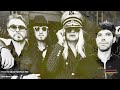
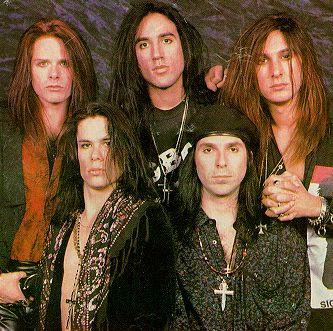
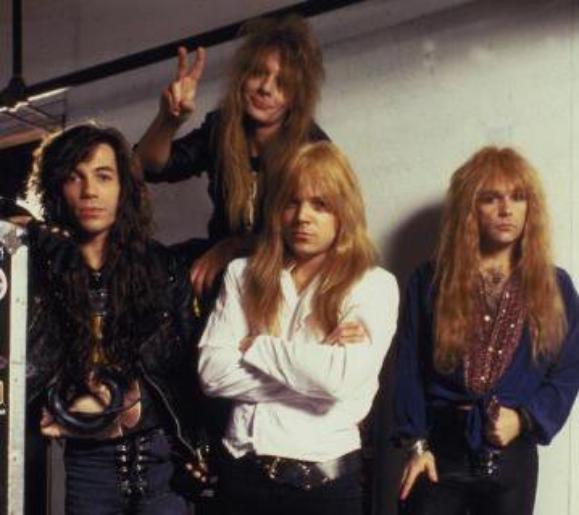
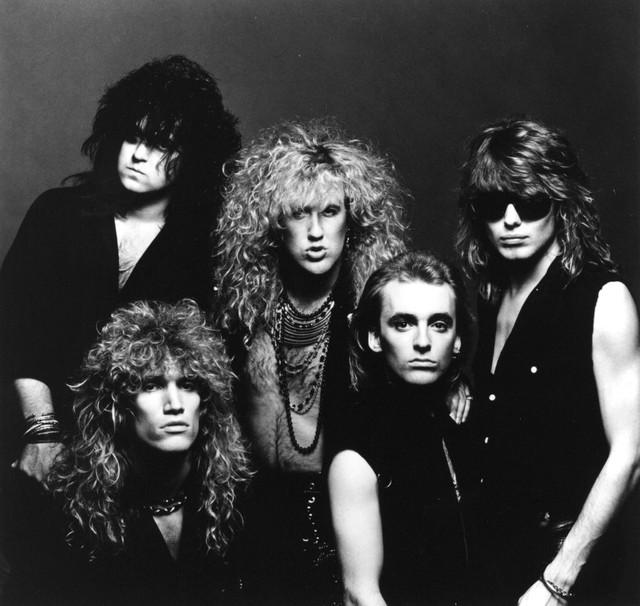
Enuff Z'Nuff’s Spotify BioA colorful pop-metal outfit with a sizable cult following, Chicago's Enuff Z'nuff emerged in the late 1980s during the waning days of the glam metal scene. Their label, Atco, pushed hard to market the group as a glam-metal act, much to their detriment. But their sugary melodies and keen power pop smarts hewed more closely to artists like Cheap Trick, Elvis Costello, and Badfinger than the hair metal acts of the day. Released in 1989, the band's eponymous debut yielded their highest-charting singles, "Fly High Michelle" and "New Thing," both of which cracked the mainstream Top 40 charts, while 1991's Strength pushed the group's hooky hard rock boundaries even further. Despite enduring plenty of personal hardships, hiatuses, and lineup changes, the band spent the ensuing decades touring and recording, releasing dozens of studio albums and staying true to their flashy, power pop sensibilities. They continued to release a steady stream of albums, marked by occasional high points like… 1999's upbeat and muscular Paraphernalia, 2002's Beatles-influenced Welcome to Blue Island, 2020's timely Brainwashed Generation, and 2022's raunchy, tuneful Finer Than Sin.
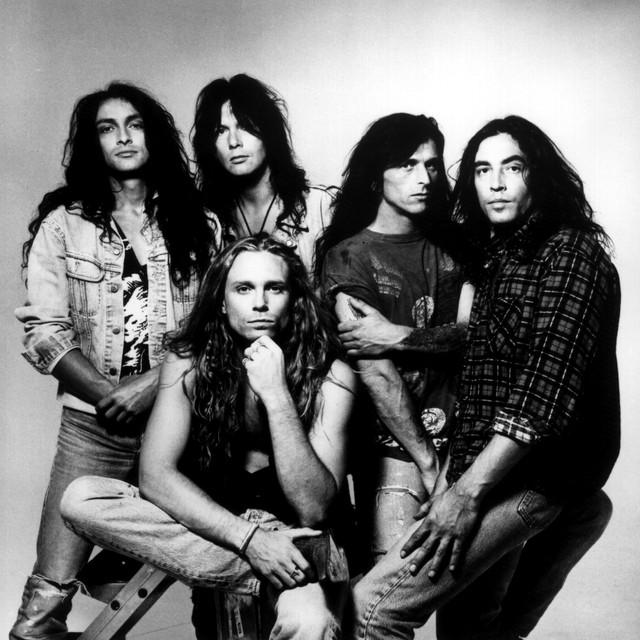
Musical soul brothers Donnie Vie (guitar and vocals) and Chip Znuff met in Chicago in 1984 and quickly set about writing songs together. Their relationship proved extremely fruitful and in less than a year the duo had recruited guitar player Gino Martino and drummer B.W. Boski, named themselves "Enough Z'nuff" -- they would shorten it to Enuff Z'nuff in 1989 -- and begun shopping around a full-length demo called Hollywood Squares. Obtaining a contract proved more difficult than expected, however, and it was four years later, after the arrival of virtuoso guitarist Derek Frigo and drummer Vikki Foxx, that they finally signed a deal with Atlantic subsidiary Atco.
Released in August 1989, Enuff Z'nuff's self-titled debut scored a couple of quick hit singles with "New Thing" and "Fly High Michelle," but the frustrated bandmembers found themselves receiving more attention for their over the top, brightly colored, peace sign-infested wardrobe than their superlative hard rock songs. By the time they unleashed 1991's Strength album, they had noticeably toned down their image and turned up their creative ambitions to deliver a masterful '90s take on the crunchy power pop sound of Cheap Trick and Badfinger. America's new alternative rock regime was not impressed, however, and their dismissal from Atco due to disappointing sales coincided with a growing rift with guitarist Frigo. Though they were quickly snapped up by Arista Records, drummer Foxx would abruptly leave for the greener pastures of former Mötley Crüe vocalist Vince Neil's solo band as soon as the sessions for their third album, Animals with Human Intelligence, were completed. When this third effort also failed to connect with consumers, Arista shut its doors and Frigo quit for good.
Vie and Znuff hit rock bottom in 1994. With no record deal in sight and wallowing in deepening drug addiction, they decided to re-release their original 1985 demos as the next Enuff Z'nuff album, simply calling it 1985. Containing liner notes penned by the "King of All Media" himself, Howard Stern (by all accounts a rabid fan), the album proved a godsend, doing enough business domestically and in Japan to get them back on their feet. It also allowed them to record two new albums in 1995: an official release for Mayhem Records called Tweaked (featuring original guitarist Martino and drummer Ricky Parent) and the Japan-only Chip & Donnie: Brothers -- later released stateside as Seven in 1997. In between, Enuff Z'nuff recorded 1996's Peach Fuzz as a trio following Martino's departure, then released the retrospective Live in 1998. Guitarist John Monaco joined the group in time for 1998's Paraphernalia (which was released by Spitfire Records, along with most of the band's late-'90s output) and stayed on through 2000's 10.
Unfortunately, this unusual spell of relative stability would not last for Enuff Z'nuff. Following the release of their 11th studio album, Welcome to Blue Island, by the Dream Catcher label in 2002, Donnie Vie quit to pursue a solo career in Los Angeles, leaving Chip Znuff and a rotating cast of players to carry on and tour sporadically as a trio. Then, just as reunion discussions with former members Derek Frigo and Vikki Foxx were getting underway, Enuff Z'nuff's already shaky constituents were dealt another devastating blow on May 29, 2004, when Frigo was found dead from an accidental drug overdose outside his girlfriend's apartment in L.A. The band had just finished recording ?, which was eventually released in November 2004 on the Pony Canyon label. A live album, Tonight, Sold Out, dropped in 2007, followed in 2009 by a new studio LP, Dissonance, which heralded the return of Donnie Vie -- the reunion lasted until 2013, with Vie once again heading out to do his own thing. In 2016 the band and Frontier Records issued Clown's Lounge, a largely archival collection of material taken from recording sessions from 1988-1989.
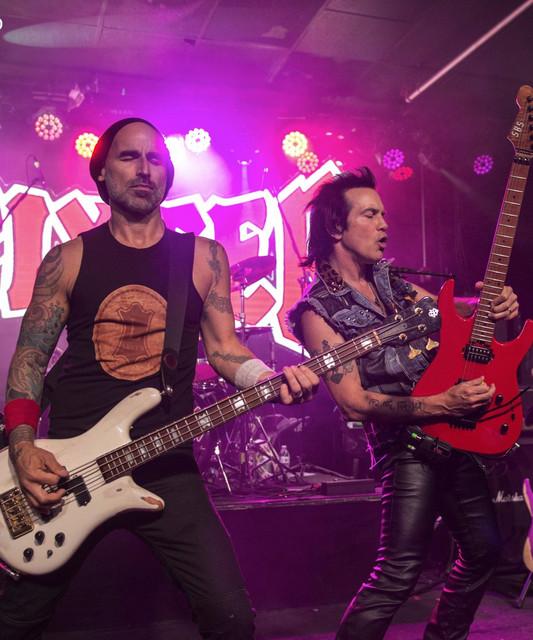
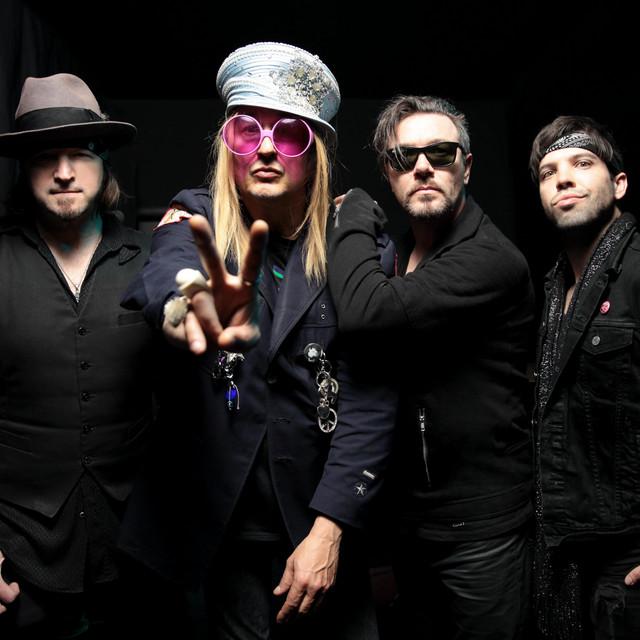
In 2018 the band returned with a new studio LP, Diamond Boy, which featured Znuff handling lead vocals (for the first time), guitarist Tory Stoffregen, ex-Ultravox guitarist Tony Fennell, and Chicago native Daniel Benjamin Hill on drums. Two years later the band returned with Brainwashed Generation, which featured guest spots from Mike Portnoy, Cheap Trick's Daxx Nielsen, and a returning Donnie Vie. 2021's Enuff Z'Nuff's Hardrock Nite saw the band paying tribute to one of their biggest influences, the Beatles, with seven songs from the Fab Four's catalog, two tunes from Paul McCartney's solo career, and one from John Lennon's post-Fab Four discography. Just a year later, Enuff Z'nuff were back with an album of original material, Finer Than Sin, which steeped their pop hooks in raunchy guitar-based hard rock. 2023 saw the vinyl release of a remastered version of 2000's Ten with revamped artwork. ~ Eduardo Rivadavia, Rovi
Viberate is a music analytics platform built for A&Rs, artist managers, labels, booking agents, marketers, and artists.
It helps music professionals track artist growth, analyze audience data, monitor playlist activity, compare artists, follow song performance, and identify opportunities across the music market.
Public artist pages provide a free preview of selected artist data. Paid plans provide access to deeper analytics, historical data, charts, comparisons, playlist tools, exports, alerts, reports, and additional professional features.
Yes. Public Viberate artist pages provide selected artist analytics and music data for free.
Viberate also offers a 7-day free trial of the full platform. A credit card is required to start the trial. The trial includes access to the complete product so users can test deeper artist analytics, historical views, playlist insights, comparisons, charts, exports, alerts, and reporting features before choosing a paid plan.
Viberate provides artist analytics across streaming, playlists, social media, video, radio airplay, songs, and audience markets.
Users can analyze Spotify performance, Spotify and Apple Music playlists, YouTube activity, TikTok and Instagram growth, radio spins, song performance, audience locations, demographics, rankings, and overall artist momentum.
Artist profiles also connect to music charts, similar artists, and comparison tools, helping users benchmark performance and evaluate artists in context.
Viberate updates key artist and track data daily.
For followed artists and tracks, selected data is refreshed multiple times per day. This helps teams monitor playlist changes, streaming movement, audience growth, releases, and campaign performance with more current data.
Update frequency can vary depending on the metric and data source.
Yes. Viberate lets users compare up to five artists side by side across streaming, social media, audience, and engagement metrics.
Users can compare fanbase growth, audience demographics, locations, Spotify performance, social metrics, and other artist data over selected time periods.
Artist comparison can be used for A&R scouting, benchmarking, booking decisions, campaign planning, and evaluating artists with similar audiences or market positions.