Tristan Murail

Classical
Classical Crossover
 Viberate Rank: 511969
 Viberate Rank: 511969
 Monthly ListenersFollowers
 Subscribers
 Followers
 Followers
 FansTop Spotify SongsTop YouTube VideosMonthly ListenersFeatured in Playlists
| Playlist | Followers | |
|---|---|---|
1 |  NPR Classical NPR Music | 14.43K |
2 |  The Sound of 21st Century Classical The Sounds of Spotify | 2.37K |
3 | 5 Minutes That Will Make You Love Symphonies nytimes | 1.74K |
4 |  The Sound of Avant-Garde The Sounds of Spotify | 1.27K |
5 |  Ultimate Dark/Sad Classical brilliantos | 1.20K |
Audience| City | Monthly Listeners | |
|---|---|---|
1 |  | 19 |
2 |  | 16 |
3 |  | 13 |
4 |  | 12 |
5 | | 12 |
See full performance history, audience data, playlist activity, rankings, comparisons, and more in Viberate music analytics. Start with a free trial, then continue with a paid plan.
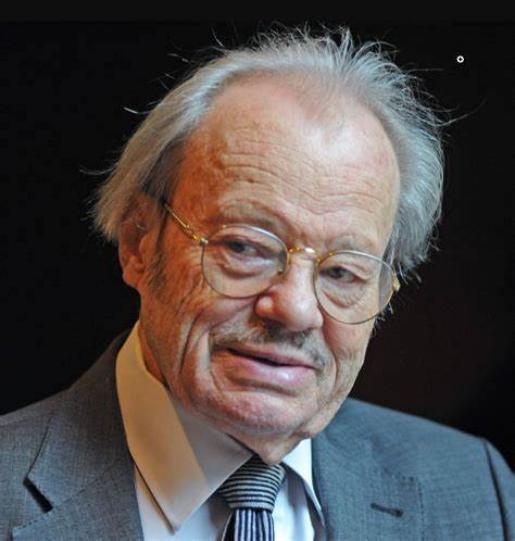
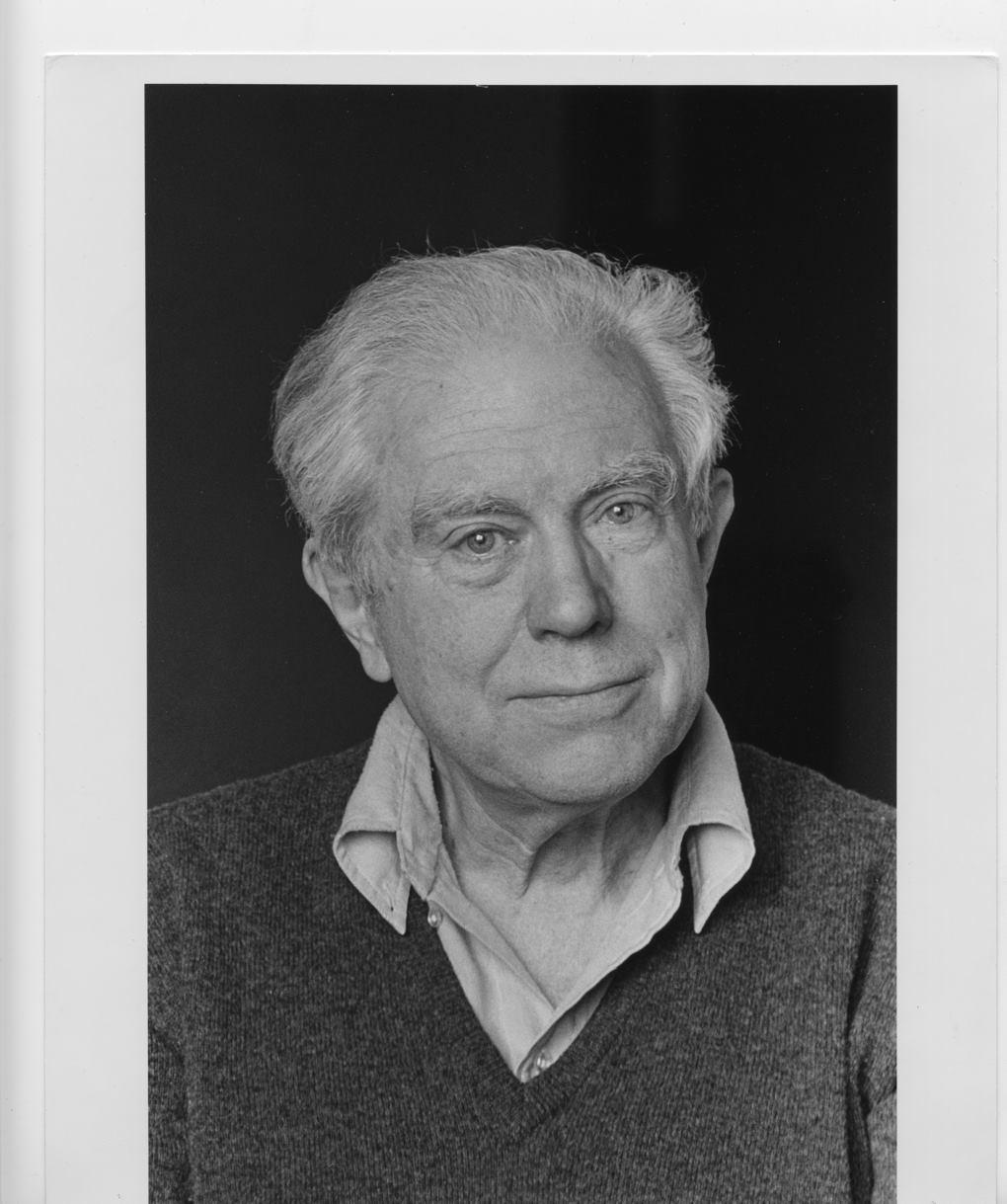
Tristan Murail’s Spotify BioTristan Murail is one of France's most prominent contemporary composers. He is associated with the technique of spectral composition and with the application of computing to music.
Murail was born in Le Havre, France, in 1947. His father was a poet, his mother a journalist, and three of his siblings became writers. Murail attended the Ecole Nationale des Langues Orientales Vivantes, where he received degrees in classical and North African Arabic and in economics. He also took music courses there, and after graduating, he switched to music, entering the Conservatoire de Paris in 1967 and studying composition with Olivier Messiaen. He graduated with a first prize, and in 1971 he won the Prix de Rome, a venerable French composition prize that carries with it a two-year residency at the Villa Medicis in Rome.
In 1973, Murail returned to Paris, and he and a group of other young musicians founded the Ensemble Itinéraire. The group, still in existence, became widely known not only for… performances but for research in live electronics and modes of instrumental performance. The ensemble was closely associated with the IRCAM institute headed by Pierre Boulez, and Murail taught there from 1991 to 1997. He became interested in the application of computing techniques to music, and at IRCAM, he was part of the team that developed Patchwork composition software. From 1997 to 2010, Murail was on the composition faculty at Columbia University in New York. He has written large orchestral works -- Gondwana, from 1980, has been widely performed -- as well as three concertos, many chamber and ensemble works (some of them with electronics), and choral music. Many of Murail's instrumental works use the spectral composition technique, in which properties of sound become the basis for harmony and polyphony. Some 50 of Murail's works had been recorded as of the early 2020s, and one recording of his music won the Grand Prix du Disque in 1990. Murail also was awarded the Grand Prix du Président de la République from the Académie Charles Cros in 1992. He spent three years as a guest professor at the Mozarteum University in Salzburg, Austria, and he has given master classes in many countries. As of 2022, Murail was a guest professor at the Shanghai Conservatory in China. ~ James Manheim, Rovi
Viberate is a music analytics platform built for A&Rs, artist managers, labels, booking agents, marketers, and artists.
It helps music professionals track artist growth, analyze audience data, monitor playlist activity, compare artists, follow song performance, and identify opportunities across the music market.
Public artist pages provide a free preview of selected artist data. Paid plans provide access to deeper analytics, historical data, charts, comparisons, playlist tools, exports, alerts, reports, and additional professional features.
Yes. Public Viberate artist pages provide selected artist analytics and music data for free.
Viberate also offers a 7-day free trial of the full platform. A credit card is required to start the trial. The trial includes access to the complete product so users can test deeper artist analytics, historical views, playlist insights, comparisons, charts, exports, alerts, and reporting features before choosing a paid plan.
Viberate provides artist analytics across streaming, playlists, social media, video, radio airplay, songs, and audience markets.
Users can analyze Spotify performance, Spotify and Apple Music playlists, YouTube activity, TikTok and Instagram growth, radio spins, song performance, audience locations, demographics, rankings, and overall artist momentum.
Artist profiles also connect to music charts, similar artists, and comparison tools, helping users benchmark performance and evaluate artists in context.
Viberate updates key artist and track data daily.
For followed artists and tracks, selected data is refreshed multiple times per day. This helps teams monitor playlist changes, streaming movement, audience growth, releases, and campaign performance with more current data.
Update frequency can vary depending on the metric and data source.
Yes. Viberate lets users compare up to five artists side by side across streaming, social media, audience, and engagement metrics.
Users can compare fanbase growth, audience demographics, locations, Spotify performance, social metrics, and other artist data over selected time periods.
Artist comparison can be used for A&R scouting, benchmarking, booking decisions, campaign planning, and evaluating artists with similar audiences or market positions.