Elliott Carter

Classical
Orchestral
Chamber Music
 Viberate Rank: 415592
 Viberate Rank: 415592
 Monthly ListenersFollowers
 Subscribers
 Followers
 Followers
 FansTop Spotify SongsTop YouTube VideosMonthly ListenersFeatured in Playlists
| Playlist | Followers | |
|---|---|---|
1 |  1000 Recordings to Hear Before You Die (Tom Moon): Album Index Ulysses' Classical | 94.30K |
2 |  NPR Classical NPR Music | 14.43K |
3 |  Neo Classicals Alen Golpashin | 7.79K |
4 |  ECM Records: 1001 - 1999 Ulysses' Classical | 6.46K |
5 |  Chamber Music for Self-Renewal synergy555 | 4.21K |
Audience| City | Monthly Listeners | |
|---|---|---|
1 | | 77 |
2 |  | 44 |
3 |  | 36 |
4 | | 31 |
5 |  | 30 |
See full performance history, audience data, playlist activity, rankings, comparisons, and more in Viberate music analytics. Start with a free trial, then continue with a paid plan.
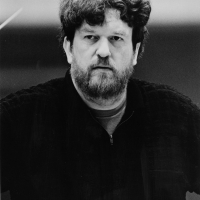
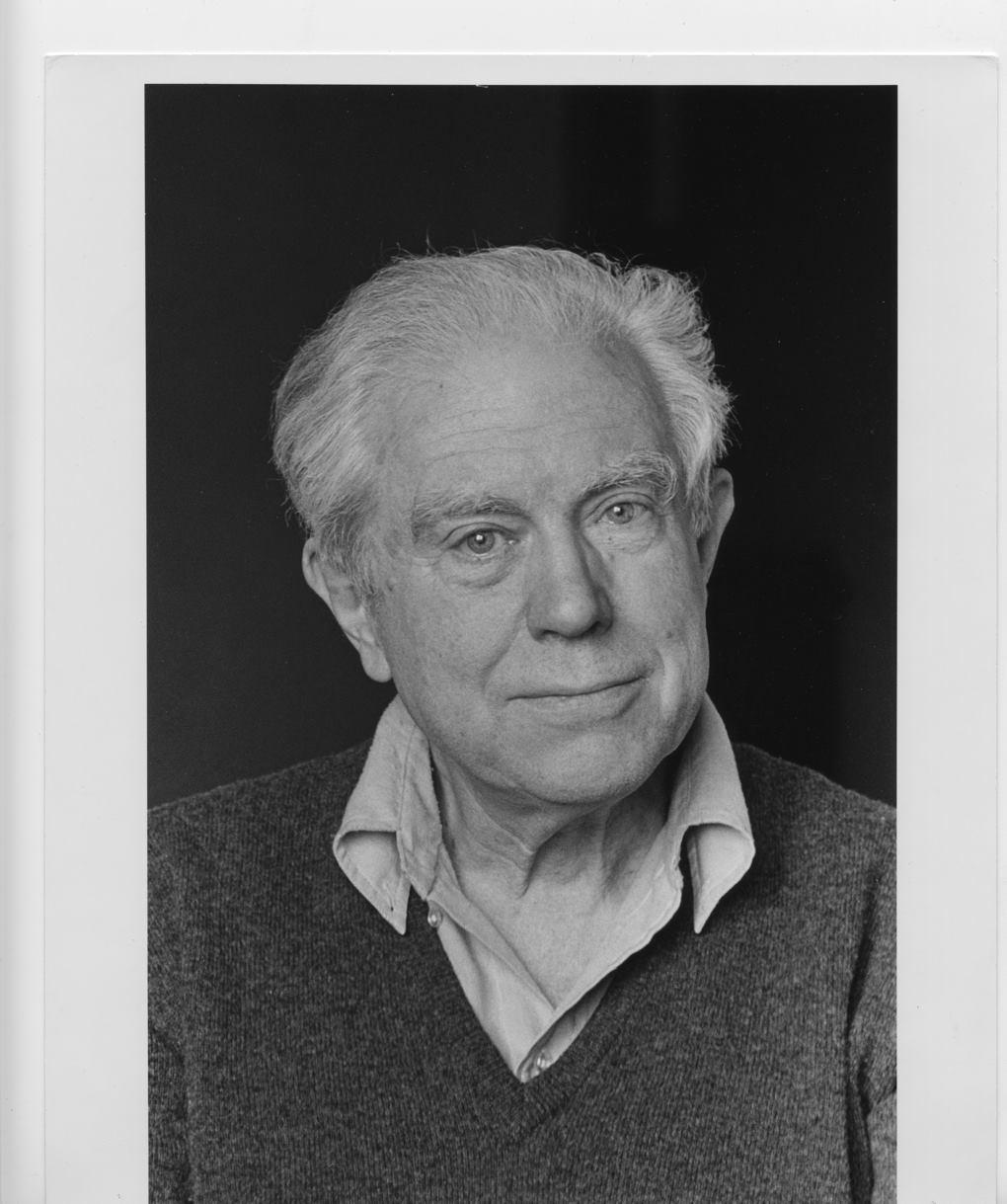
Elliott Carter’s Spotify BioSome believe Elliott Carter to be the greatest American-born composer; no less an authority than Igor Stravinsky considered Carter's Double Concerto (1961) the first true American masterpiece. Certainly he was one of the most intellectually rigorous composers of his or any other time. Carter's work is characterized largely by its rhythmic complexity, befitting a man who was a serious student of mathematics. Initially a neo-classicist, Carter went on to embrace aspects of 12-tone composition and serialism. Carter invented a concept he called "metric modulation," which musicologist/composer Nicolas Slonimsky described as a system "in which secondary rhythms in a polyrhythmic section assume dominance expressed in constantly changing meters, often in such unusual time signatures as 10/16, 21/8, etc." Adding to his importance as a composer was his long life and prolific output; Carter remained vital as a composer even after passing the age of 100, with little or no discernible decline in… the quality of his work.
In his youth, Carter's parents bought insurance from Charles Ives; young Carter went on to edit the by-then disabled composer's manuscripts. He went to high school in New York City and attended Harvard in the late 1920s, majoring in literature and languages. He also studied piano at the Longy School of Music in Cambridge, Massachusetts. In 1930 he devoted himself to music full-time. While still at Harvard, he studied counterpoint with Walter Piston and orchestration with Edward Burlingame Hill; in 1932 he attended a seminar by Gustav Holst. After receiving his M.A. that year, Carter went to Paris, where he studied with the renowned composition teacher Nadia Boulanger. During this period he also studied mathematics. In 1935 he returned to the U.S. For several years he worked in ballet and for the Office of War Information. In 1946 he finished his Piano Sonata, a piece replete with the constantly shifting time signatures and complex rhythms that became typical of his work. His music never got easier, either for the performer or the listener.
Carter also spent a great deal of time teaching as well as composing. His various pedagogical appointments included St. John's College in Annapolis, Maryland (1939-1941), the Peabody Conservatory in Baltimore (1946-1948), Columbia University (1948-1950), and Yale (1958-1962). He was also a professor-at-large at Cornell University (1967-1968). Carter received many honors for his compositions, including two Guggenheim fellowships (1945 and 1959), and the American Prix de Rome (1953). In 1960 his String Quartet No. 2 won a Pulitzer Prize. He won another Pulitzer in 1973 for his String Quartet No. 3. Then-president Ronald Reagan honored Carter with the National Medal of the Arts in 1985. Although Carter's music has never attained anything like the popularity accorded the work of a contemporary like Aaron Copland, he always received his due among critics and academics. His fellow musicians also venerated him; such younger composers as Oliver Knussen and Franco Donatoni acknowledge his influence. Elliott Carter died at his home in Greenwich Village on November 5, 2012; he was 103 years old. ~ Chris Kelsey, Rovi
Viberate is a music analytics platform built for A&Rs, artist managers, labels, booking agents, marketers, and artists.
It helps music professionals track artist growth, analyze audience data, monitor playlist activity, compare artists, follow song performance, and identify opportunities across the music market.
Public artist pages provide a free preview of selected artist data. Paid plans provide access to deeper analytics, historical data, charts, comparisons, playlist tools, exports, alerts, reports, and additional professional features.
Yes. Public Viberate artist pages provide selected artist analytics and music data for free.
Viberate also offers a 7-day free trial of the full platform. A credit card is required to start the trial. The trial includes access to the complete product so users can test deeper artist analytics, historical views, playlist insights, comparisons, charts, exports, alerts, and reporting features before choosing a paid plan.
Viberate provides artist analytics across streaming, playlists, social media, video, radio airplay, songs, and audience markets.
Users can analyze Spotify performance, Spotify and Apple Music playlists, YouTube activity, TikTok and Instagram growth, radio spins, song performance, audience locations, demographics, rankings, and overall artist momentum.
Artist profiles also connect to music charts, similar artists, and comparison tools, helping users benchmark performance and evaluate artists in context.
Viberate updates key artist and track data daily.
For followed artists and tracks, selected data is refreshed multiple times per day. This helps teams monitor playlist changes, streaming movement, audience growth, releases, and campaign performance with more current data.
Update frequency can vary depending on the metric and data source.
Yes. Viberate lets users compare up to five artists side by side across streaming, social media, audience, and engagement metrics.
Users can compare fanbase growth, audience demographics, locations, Spotify performance, social metrics, and other artist data over selected time periods.
Artist comparison can be used for A&R scouting, benchmarking, booking decisions, campaign planning, and evaluating artists with similar audiences or market positions.