Trinidad James

Hip Hop
Contemporary Hip Hop
Trap
 Viberate Rank: 11398
 Viberate Rank: 11398
 Monthly ListenersFollowers
 Subscribers
 Followers
 Followers
 FansTop Spotify Songs
| Track | 7-Day Streams | |
|---|---|---|
1 | 956.51K | |
2 | 554.72K | |
3 | 149.56K | |
4 | 36.84K | |
5 | 30.01K |
Top YouTube Videos| Video | 7-Day Views | |
|---|---|---|
1 | 55.00K | |
2 | 39.17K | |
3 | 28.34K | |
4 | 24.98K | |
5 | 5.66K |
Monthly ListenersFeatured in Playlists| Playlist | Followers | |
|---|---|---|
1 |  Best Rap Songs of All Time IndieMassive Hits | 510.93K |
2 |  Rap Hits (2010 - 2023) Membrives | 389.49K |
3 |  This Is A$AP Rocky Spotify | 360.40K |
4 |  Rap Hits 2010-2026 ES-A | 348.94K |
5 |  Bass Songs for car Promoting Sounds | 243.33K |
Audience| City | Monthly Listeners | |
|---|---|---|
1 | | 14.63K |
2 | | 13.40K |
3 | | 13.18K |
4 | | 12.72K |
5 | | 10.52K |
See full performance history, audience data, playlist activity, rankings, comparisons, and more in Viberate music analytics. Start with a free trial, then continue with a paid plan.
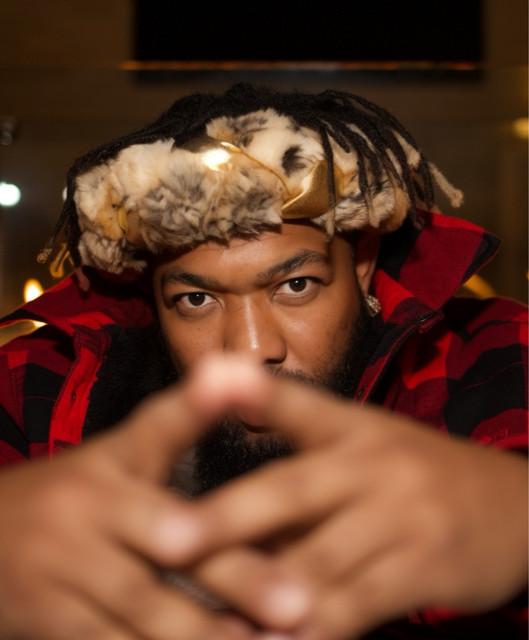
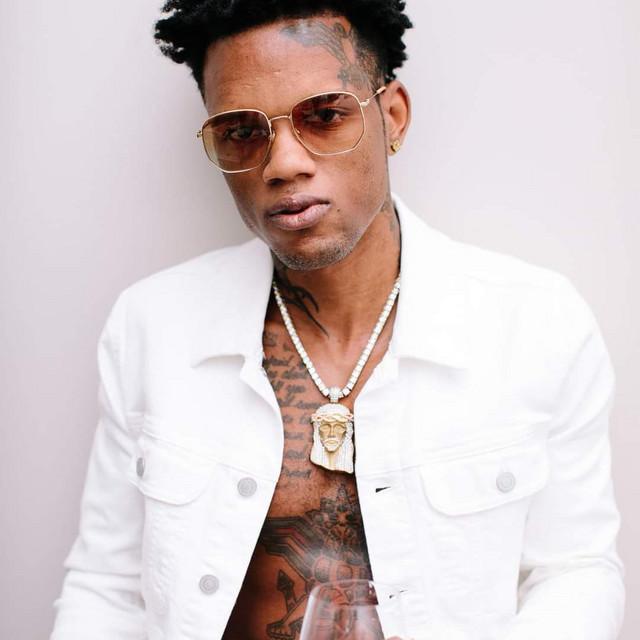
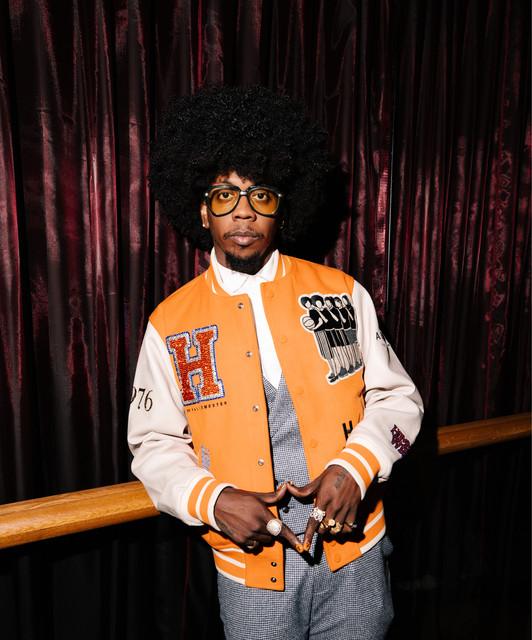
Trinidad James’ Spotify BioComing up somewhere between Wiz Khalifa's loose flow and hedonistic lyrics and Lil B's free spirit and love of alternative-flavored beats, Atlanta's Trinidad James went from viral to Def Jam Recordings signee, and all in his rookie season. Born Nicholas Williams in Trinidad & Tobago but raised in Atlanta, he was a 24-year-old manager of a downtown streetwear boutique when he decided to try his hand at rapping and become Trinidad James. That was late 2011, and in October of 2012, Trinidad dropped his debut mixtape, Don't Be S.A.F.E., which featured the viral hit "All Gold Everything." In December of that year, as the "All Gold Everything" video passed the three-million-views mark, Def Jam announced their signing of the rapper and released the "All Gold Everything" remix with verses from T.I., Jeezy, and 2 Chainz added to the track. The label gave the Don't Be S.A.F.E. mixtape an official release in early 2013. A second mixtape was released later that year. 10 PC Mild featured spots… by Travis Scott, D4L, Danny Brown, Rich Homie Quan, Gucci Mane, and Childish Gambino.
James continued to drop mixtapes with the Gold Gang label, occupying 2015 with a trio of releases: The Wake Up, No One Is Safe, and Trips to Trinidad. He also appeared on a remix of Mark Ronson and Bruno Mars' "Uptown Funk" and Cash Cash's "The Gun" with DEV and Chrish. In 2016, James returned focus to his own output, dropping the single "Just a Lil' Thick (She Juicy)" with Mystikal and Lil Dicky.
Viberate is a music analytics platform built for A&Rs, artist managers, labels, booking agents, marketers, and artists.
It helps music professionals track artist growth, analyze audience data, monitor playlist activity, compare artists, follow song performance, and identify opportunities across the music market.
Public artist pages provide a free preview of selected artist data. Paid plans provide access to deeper analytics, historical data, charts, comparisons, playlist tools, exports, alerts, reports, and additional professional features.
Yes. Public Viberate artist pages provide selected artist analytics and music data for free.
Viberate also offers a 7-day free trial of the full platform. A credit card is required to start the trial. The trial includes access to the complete product so users can test deeper artist analytics, historical views, playlist insights, comparisons, charts, exports, alerts, and reporting features before choosing a paid plan.
Viberate provides artist analytics across streaming, playlists, social media, video, radio airplay, songs, and audience markets.
Users can analyze Spotify performance, Spotify and Apple Music playlists, YouTube activity, TikTok and Instagram growth, radio spins, song performance, audience locations, demographics, rankings, and overall artist momentum.
Artist profiles also connect to music charts, similar artists, and comparison tools, helping users benchmark performance and evaluate artists in context.
Viberate updates key artist and track data daily.
For followed artists and tracks, selected data is refreshed multiple times per day. This helps teams monitor playlist changes, streaming movement, audience growth, releases, and campaign performance with more current data.
Update frequency can vary depending on the metric and data source.
Yes. Viberate lets users compare up to five artists side by side across streaming, social media, audience, and engagement metrics.
Users can compare fanbase growth, audience demographics, locations, Spotify performance, social metrics, and other artist data over selected time periods.
Artist comparison can be used for A&R scouting, benchmarking, booking decisions, campaign planning, and evaluating artists with similar audiences or market positions.