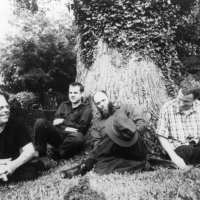
Treepeople

Punk
Punk Rock
Alternative Rock
 Viberate Rank: 224874
 Viberate Rank: 224874
 Monthly ListenersFollowers
 Subscribers
 Followers
 Followers
 FansTop Spotify Songs
| Track | 7-Day Streams | |
|---|---|---|
1 | 1.47K | |
2 | 1.23K | |
3 | 643 | |
4 | 353 | |
5 | 353 |
Top YouTube VideosMonthly ListenersFeatured in Playlists| Playlist | Followers | |
|---|---|---|
1 |  90s shoegaze & soft grunge eva | 11.05K |
2 |  Obscure Rare And Forgotten 90's Alternative, Rock, Metal, And Grunge Deep Cuts Rick Plant | 5.01K |
3 |  90s Alternative Rock & Indie: Hits & Deep Cuts Carefully Curated. | 3.61K |
4 |  The Sound of Grunge The Sounds of Spotify | 3.40K |
5 |  The Sound of Lo-Fi The Sounds of Spotify | 3.19K |
Audience| City | Monthly Listeners | |
|---|---|---|
1 | | 185 |
2 | | 173 |
3 | | 166 |
4 | | 165 |
5 | | 155 |
See full performance history, audience data, playlist activity, rankings, comparisons, and more in Viberate music analytics. Start with a free trial, then continue with a paid plan.
Treepeople’s Spotify BioUpon the breakup of the Boise, ID, punk band State of Confusion, several members elected to head west to the thriving then-underground scene in Seattle, and so guitarist/vocalist Doug Martsch, guitarist/vocalist Scott Schmaljohn, bassist Pat Brown, and drummer Wayne Rhino Flower became Treepeople. An often melodic cross between punk and grunge highlighted by Martsch and Schmaljohn's guitar interplay, Treepeople's sound was never really altered to fit the post-Nirvana Seattle formula, and perhaps consequently, the group never attracted as much attention outside the local scene as many of its contemporaries. The group debuted on the Toxic Shock label in 1989 with Guilt Regret Embarrassment, switching to C/Z for Something Vicious for Tomorrow, which did not appear until 1992 but also included the out of print EP Time Whore. By this time, Tony Dallas Reed had taken over the drum seat; for the next album, 1993's Just Kidding, Reed switched to bass (taking over for new father Brown) and Eric… Akre (ex-Christ on a Crutch) took his position behind the drum set. Claiming he was tired of touring, Martsch himself then quit the band, leaving Schmaljohn as the only remaining original member; on Treepeople's final album, 1994's Actual Re-Enactment, the lineup featured Schmaljohn, Akre, guitarist John Polle, and bassist Eric Carnell. Martsch then resurfaced in Built to Spill. ~ Steve Huey, Rovi
Viberate is a music analytics platform built for A&Rs, artist managers, labels, booking agents, marketers, and artists.
It helps music professionals track artist growth, analyze audience data, monitor playlist activity, compare artists, follow song performance, and identify opportunities across the music market.
Public artist pages provide a free preview of selected artist data. Paid plans provide access to deeper analytics, historical data, charts, comparisons, playlist tools, exports, alerts, reports, and additional professional features.
Yes. Public Viberate artist pages provide selected artist analytics and music data for free.
Viberate also offers a 7-day free trial of the full platform. A credit card is required to start the trial. The trial includes access to the complete product so users can test deeper artist analytics, historical views, playlist insights, comparisons, charts, exports, alerts, and reporting features before choosing a paid plan.
Viberate provides artist analytics across streaming, playlists, social media, video, radio airplay, songs, and audience markets.
Users can analyze Spotify performance, Spotify and Apple Music playlists, YouTube activity, TikTok and Instagram growth, radio spins, song performance, audience locations, demographics, rankings, and overall artist momentum.
Artist profiles also connect to music charts, similar artists, and comparison tools, helping users benchmark performance and evaluate artists in context.
Viberate updates key artist and track data daily.
For followed artists and tracks, selected data is refreshed multiple times per day. This helps teams monitor playlist changes, streaming movement, audience growth, releases, and campaign performance with more current data.
Update frequency can vary depending on the metric and data source.
Yes. Viberate lets users compare up to five artists side by side across streaming, social media, audience, and engagement metrics.
Users can compare fanbase growth, audience demographics, locations, Spotify performance, social metrics, and other artist data over selected time periods.
Artist comparison can be used for A&R scouting, benchmarking, booking decisions, campaign planning, and evaluating artists with similar audiences or market positions.