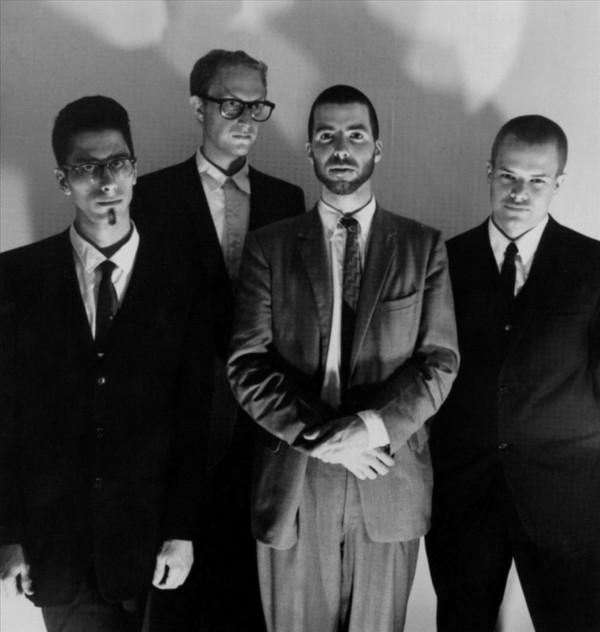
Chavez

Rock
Alternative Rock
Math Rock
 Viberate Rank: 224610
 Viberate Rank: 224610
 Monthly ListenersFollowers
 Subscribers
 Followers
 Followers
 FansTop Spotify Songs
| Track | 7-Day Streams | |
|---|---|---|
1 | 1.44K | |
2 | 740 | |
3 | 740 | |
4 | 473 | |
5 | 421 |
Top YouTube VideosMonthly ListenersFeatured in Playlists| Playlist | Followers | |
|---|---|---|
1 | Silicon Valley -Music from the HBO Series Herb | 37.94K |
2 |  Silicon Valley HBO Soundtrack David Oliva | 20.33K |
3 |  1990s Punk & Indie Numero Group | 16.20K |
4 |  Duyster (all tracks ever played) Wike | 8.15K |
5 | 120 Minutes full Archive frankspin | 7.87K |
Audience| City | Monthly Listeners | |
|---|---|---|
1 | | 176 |
2 | | 173 |
3 | | 156 |
4 | | 132 |
5 | | 118 |
See full performance history, audience data, playlist activity, rankings, comparisons, and more in Viberate music analytics. Start with a free trial, then continue with a paid plan.
Chavez’s Spotify BioThe angular indie rock unit Chavez was led by singer/guitarist Matt Sweeney, the former frontman of New Jersey's Skunk. Following the group's demise, Sweeney joined the New York band Wider, which included onetime Live Skull drummer James Lo; when Wider dissolved in 1992, Sweeney began playing with ex-Bullet Lavolta guitarist Clay Tarver. Lo joined not long after, and with bassist Davey Hoskins, Chavez cut its first demo recordings in late 1993. Following Hoskins' exit and the recruitment of bassist Scott Masciarelli (also known as Scott Marshall, the son of Happy Days creator Garry Marshall), the band made its live debut; soon, the anthemic 1994 debut single "Repeat the Ending" and a reputation for stunning live sets made Chavez a hot commodity on the New York club scene. Their acclaimed debut, Gone Glimmering, and the follow-up EP, Pentagram Ring, appeared in 1995; the full-length Ride the Fader followed a year later. The band ceased to record after that, but they did reunite on… occasion for performances. Sweeney played with Guided by Voices and Zwan, and collaborated with Will Oldham on 2005's Superwolf; Tarver directed the series of "Got Milk?" commercials and was the screenwriter of 2001's Joy Ride; Lo continued to play in bands, including a brief stint in the Sands; Marshall, who had made appearances in just about all of his father's projects, became further involved in the film industry and directed Keeping Up with the Steins. In 2006, Matador reissued the band's two albums, EP, and 7" as a box set titled Better Days Will Haunt You. In 2016, Sweeney, Tarver, Marshall, and Lo reunited as Chavez, heading into the studio to record three new songs. The new material was issued as an EP, Cockfighters, by Matador in January 2017. ~ Jason Ankeny & Andy Kellman, Rovi
Viberate is a music analytics platform built for A&Rs, artist managers, labels, booking agents, marketers, and artists.
It helps music professionals track artist growth, analyze audience data, monitor playlist activity, compare artists, follow song performance, and identify opportunities across the music market.
Public artist pages provide a free preview of selected artist data. Paid plans provide access to deeper analytics, historical data, charts, comparisons, playlist tools, exports, alerts, reports, and additional professional features.
Yes. Public Viberate artist pages provide selected artist analytics and music data for free.
Viberate also offers a 7-day free trial of the full platform. A credit card is required to start the trial. The trial includes access to the complete product so users can test deeper artist analytics, historical views, playlist insights, comparisons, charts, exports, alerts, and reporting features before choosing a paid plan.
Viberate provides artist analytics across streaming, playlists, social media, video, radio airplay, songs, and audience markets.
Users can analyze Spotify performance, Spotify and Apple Music playlists, YouTube activity, TikTok and Instagram growth, radio spins, song performance, audience locations, demographics, rankings, and overall artist momentum.
Artist profiles also connect to music charts, similar artists, and comparison tools, helping users benchmark performance and evaluate artists in context.
Viberate updates key artist and track data daily.
For followed artists and tracks, selected data is refreshed multiple times per day. This helps teams monitor playlist changes, streaming movement, audience growth, releases, and campaign performance with more current data.
Update frequency can vary depending on the metric and data source.
Yes. Viberate lets users compare up to five artists side by side across streaming, social media, audience, and engagement metrics.
Users can compare fanbase growth, audience demographics, locations, Spotify performance, social metrics, and other artist data over selected time periods.
Artist comparison can be used for A&R scouting, benchmarking, booking decisions, campaign planning, and evaluating artists with similar audiences or market positions.