Translator

Rock
Alternative Rock
Indie Rock
 Viberate Rank: 291819
 Viberate Rank: 291819
 Monthly ListenersFollowers
 Subscribers
 Followers
 Followers
 FansTop Spotify Songs
| Track | 7-Day Streams | |
|---|---|---|
1 | 2.11K | |
2 | 350 | |
3 | 254 | |
4 | 198 | |
5 | 64 |
Top YouTube VideosMonthly ListenersFeatured in Playlists| Playlist | Followers | |
|---|---|---|
1 | 80's New Wave Pascal Amiaud | 31.90K |
2 |  1980s Alternative Retrogamer PlayStation®️ | 11.69K |
3 | 120 Minutes full Archive frankspin | 7.87K |
4 |  WORKOUT ULTIMATE ONE (1 of 3) Cardio Weightlifting Gym Cycling Zwift HIIT 2026 (zero to H) cgwest23 | 7.79K |
5 | 80s Alternative! Featuring The Bangles Plugged In | 6.63K |
Audience| City | Monthly Listeners | |
|---|---|---|
1 | | 219 |
2 |  | 141 |
3 | | 122 |
4 | | 121 |
5 | | 88 |
See full performance history, audience data, playlist activity, rankings, comparisons, and more in Viberate music analytics. Start with a free trial, then continue with a paid plan.
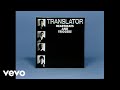
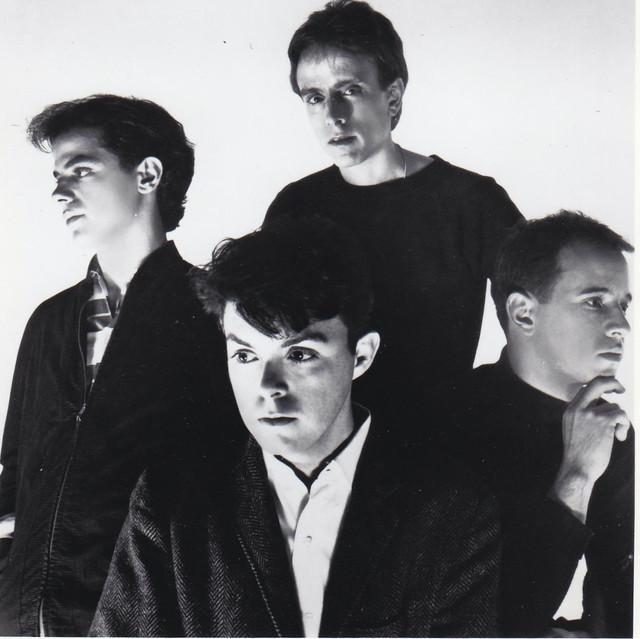
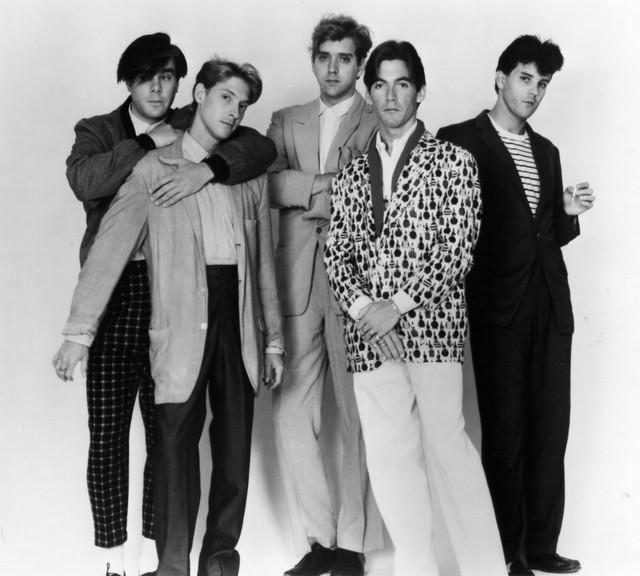
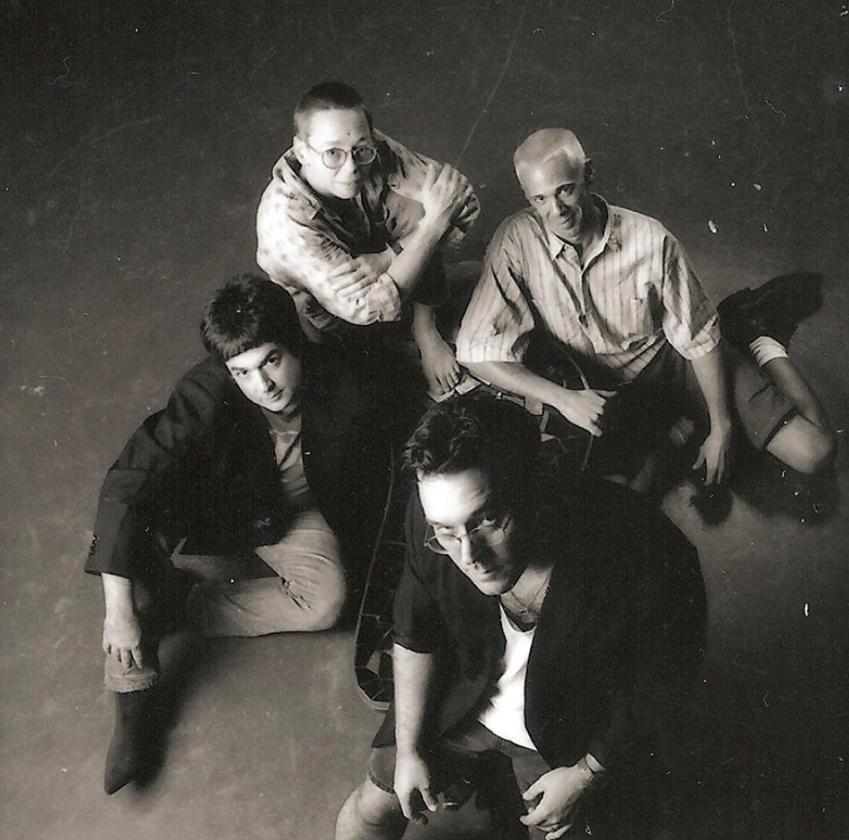
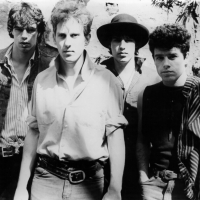
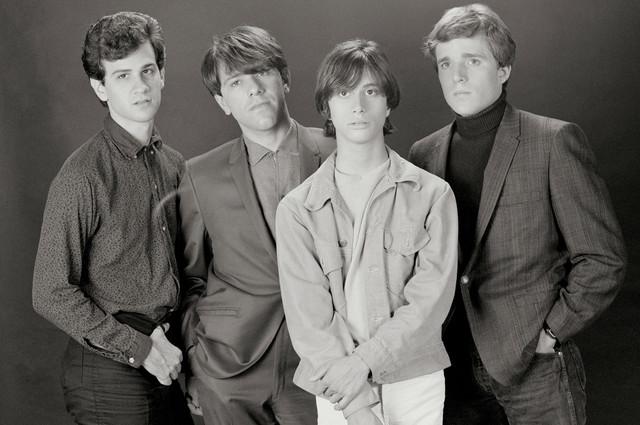
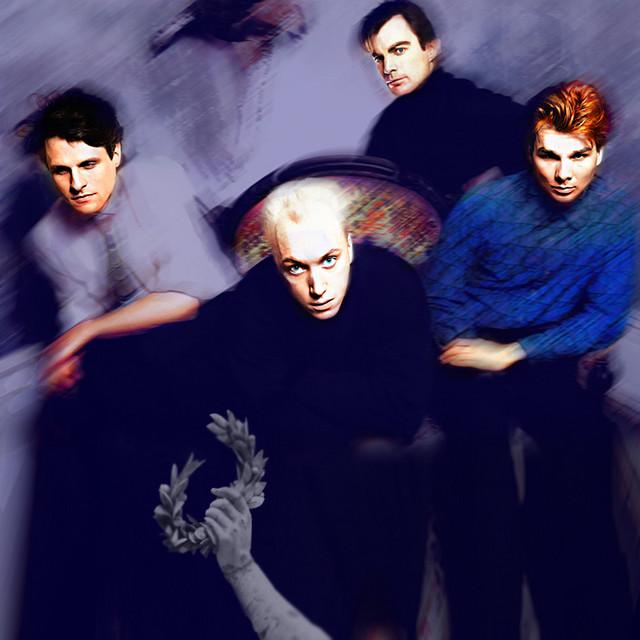
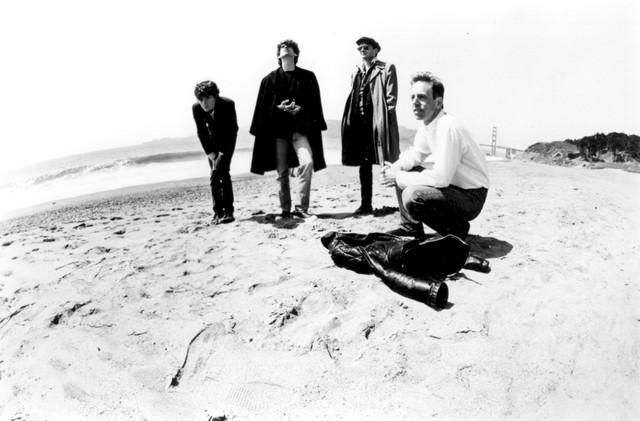
Translator’s Spotify BioInspired by the Beatles and merging energetic pop with graceful but evocative melodies, the San Francisco-based four-piece Translator featured two singer/songwriter/guitarists (Steve Barton and Bob Darlington) and a sound that spanned Merseybeat and stripped-down rock to psychedelia. Larry Dekker on bass and Dave Scheff on drums completed the lineup, a constant during the band's initial seven-year run, as well as for their sporadic, post-breakup reunion appearances. Formed in Los Angeles in 1979, Translator relocated to San Francisco, where they were signed to Howie Klein's independent label, 415 Records, on the strength of the demo tape they sent to college radio station KUSF; the loose and rambling yet laconic "Everywhere That I'm Not" became the band's signature tune. "Everywhere That I'm Not" was featured on Translator's debut album, Heartbeats and Triggers (415/Columbia, 1982), which was produced by David Kahne and became an underground and college radio hit, though its 1983… follow-up, the Kahne-produced No Time Like Now, didn't fare as well. Breaking away from a tight new wave formula and finding a simpatico producer in Ed Stasium, the band created a lush third album simply titled Translator (1985).
As the decade wore on, they increasingly explored psychedelia, and live shows became three-hour affairs filled with traditional San Francisco rock-style jamming. Evening of the Harvest (1986) was the sound of a mature band and their most realized statement to date, as it fused rock with the band's increasingly nuanced side. Unfortunately, it also signaled their end, as the band quietly broke up by the end of the year. That year Columbia issued Everywhere That I'm Not: A Retrospective; two more CD retrospectives, Translation (Oglio, 1995) and Everywhere That We Were: The Best of Translator (Columbia/Legacy, 1996), followed, and the band played reunion shows in 1993 and in 1995. In 1996, ten years after their official breakup, Translator were paid one of their highest compliments when their recording of the Beatles rarity "Cry for a Shadow," which appeared on the B-side of Translator's 1983 single "Break Down Barriers," was mistaken by Beatles fans for a new recording created by the surviving members of the Fab Four for the documentary series The Beatles Anthology.
Translator continued to reunite on occasion, and Barton also worked as a solo recording artist. In 2006 Translator appeared at the annual SXSW festival in Austin, Texas, where their tight, stripped-down rock of the '80s sounded right in line with the 21st century's back-to-basics rock. In 2012, the original lineup of Translator returned to the recording studio for the first time in 26 years to cut a new album, Big Green Lawn, with the group playing a handful of well-received shows in support. In 2015, Omnivore Records released Sometimes People Forget, a collection of unreleased Translator demos recorded between 1979 and 1985. ~ Denise Sullivan, Rovi
Viberate is a music analytics platform built for A&Rs, artist managers, labels, booking agents, marketers, and artists.
It helps music professionals track artist growth, analyze audience data, monitor playlist activity, compare artists, follow song performance, and identify opportunities across the music market.
Public artist pages provide a free preview of selected artist data. Paid plans provide access to deeper analytics, historical data, charts, comparisons, playlist tools, exports, alerts, reports, and additional professional features.
Yes. Public Viberate artist pages provide selected artist analytics and music data for free.
Viberate also offers a 7-day free trial of the full platform. A credit card is required to start the trial. The trial includes access to the complete product so users can test deeper artist analytics, historical views, playlist insights, comparisons, charts, exports, alerts, and reporting features before choosing a paid plan.
Viberate provides artist analytics across streaming, playlists, social media, video, radio airplay, songs, and audience markets.
Users can analyze Spotify performance, Spotify and Apple Music playlists, YouTube activity, TikTok and Instagram growth, radio spins, song performance, audience locations, demographics, rankings, and overall artist momentum.
Artist profiles also connect to music charts, similar artists, and comparison tools, helping users benchmark performance and evaluate artists in context.
Viberate updates key artist and track data daily.
For followed artists and tracks, selected data is refreshed multiple times per day. This helps teams monitor playlist changes, streaming movement, audience growth, releases, and campaign performance with more current data.
Update frequency can vary depending on the metric and data source.
Yes. Viberate lets users compare up to five artists side by side across streaming, social media, audience, and engagement metrics.
Users can compare fanbase growth, audience demographics, locations, Spotify performance, social metrics, and other artist data over selected time periods.
Artist comparison can be used for A&R scouting, benchmarking, booking decisions, campaign planning, and evaluating artists with similar audiences or market positions.