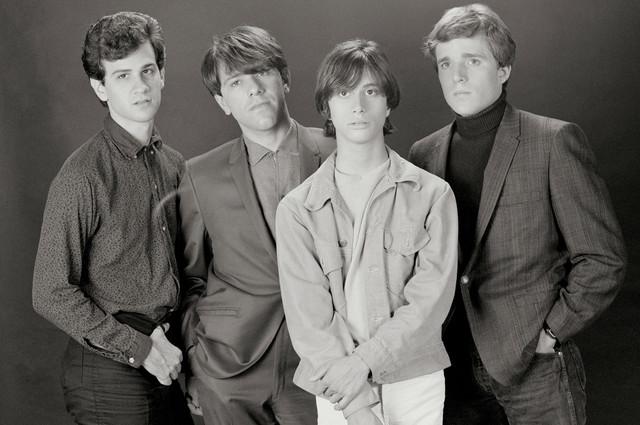
The Three O'Clock

Rock
Indie Rock
Power Pop
 Viberate Rank: 246772
 Viberate Rank: 246772
 Monthly ListenersFollowers
 Subscribers
 Followers
 Followers
 FansTop Spotify Songs
| Track | 7-Day Streams | |
|---|---|---|
1 | 1.68K | |
2 | 769 | |
3 | 669 | |
4 | 292 | |
5 | 270 |
Top YouTube VideosMonthly ListenersFeatured in Playlists| Playlist | Followers | |
|---|---|---|
1 |  Power Pop Spotify | 165.55K |
2 |  Firefly Lane Soundtrack (Season 1 & 2) Boisterous Pop | 28.31K |
3 |  Firefly Lane Official Playlist Netflix | 20.25K |
4 |  REVERBERATION RADIO Giel van der Leest | 6.62K |
5 |  Off Your Face anton newcombe | 5.86K |
Audience| City | Monthly Listeners | |
|---|---|---|
1 | | 227 |
2 | | 114 |
3 | | 85 |
4 | | 85 |
5 | | 81 |
See full performance history, audience data, playlist activity, rankings, comparisons, and more in Viberate music analytics. Start with a free trial, then continue with a paid plan.
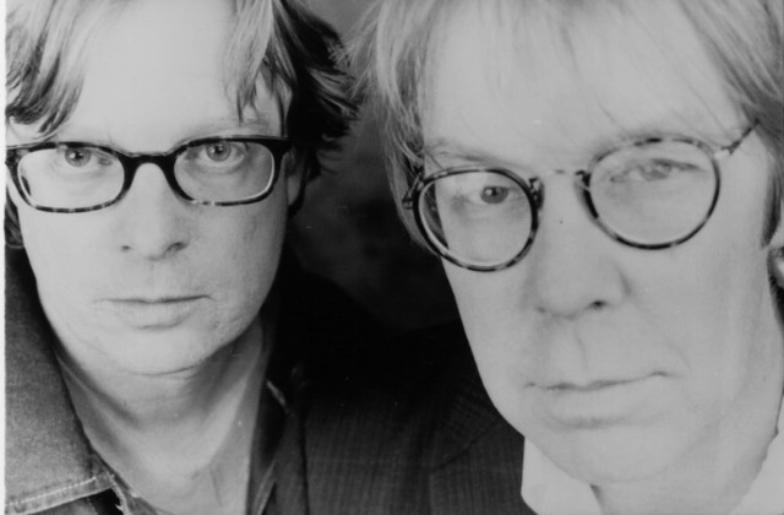
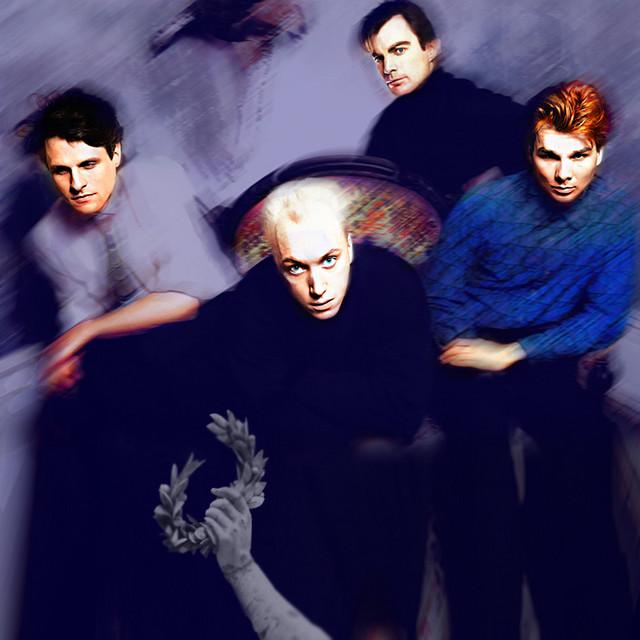
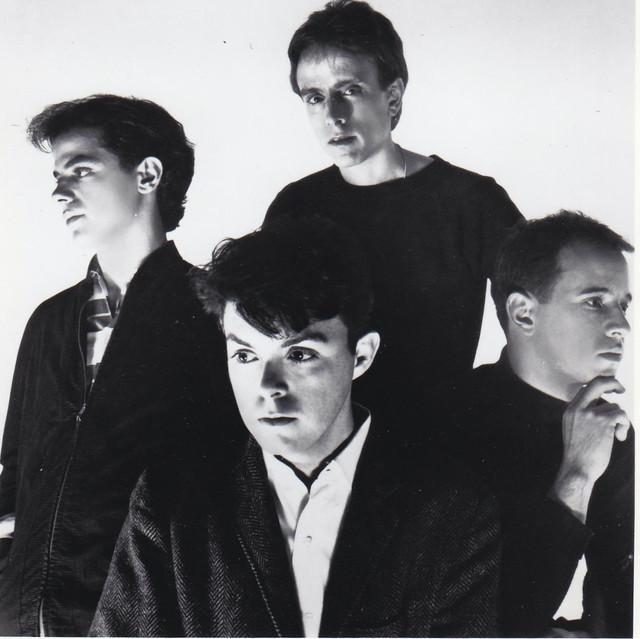
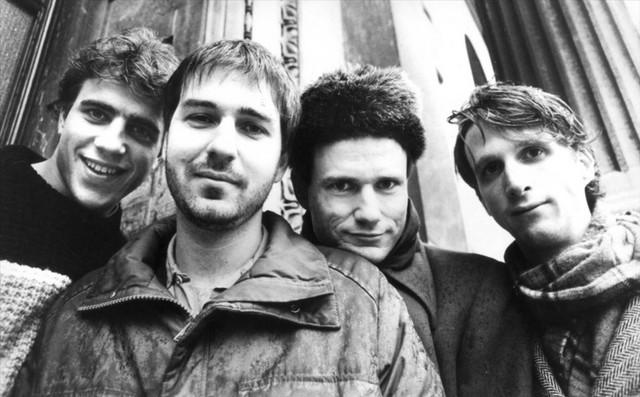
The Three O'Clock’s Spotify BioThe Three O'Clock were the quintessential L.A. Paisley Underground band. Lead singer and bassist Michael Quercio in fact coined the term to describe the set of bands, including the Dream Syndicate, Rain Parade, Green on Red, and the Bangles, who incorporated the chiming guitars of the Byrds and the Beatles into their pop songs with a psychedelic bent, and the clothes to match. Beginning as the Salvation Army in 1982 as a three-piece and forsaking the name due to a conflict with the actual organization, the Three O'Clock originally included Quercio and guitarist Louis (formerly Gregg) Gutierrez. The band plied a garagey sound on its self-titled debut in 1982. When ex-Weirdos drummer Danny Benair and keyboardist Mickey Mariano joined for the follow-up EP Baroque Hoedown and the LP Sixteen Tambourines in 1983 (both released by Frontier Records), the band found a more polished, perfect pop sound.
In 1985 they released Arrive Without Travelling for I.R.S., followed by Ever After. Gutierrez… departed in 1986. For their Warner Bros./Paisley Park debut (Prince was a fan), Vermillion, Jason Falkner was added on guitar. Sadly, it proved to be their undoing, as they never really fulfilled the label's expectations and Quercio refused to be pigeonholed as a pretty-boy pop star or spokesperson for the premature retro revival. Quercio continues to play in L.A. pop bands, while Gutierrez became a principal member of Mary's Danish, and Falkner is a solo recording artist. After years of turning down offers to reunite, the original lineup of the band (minus Mariano, who was replaced by Adam Merrin of the 88) re-formed to play the 2013 Coachella Festival. Soon after, Omnivore Records released The Hidden World Revealed, a collection of album tracks and rarities from the years with Frontier. ~ Denise Sullivan, Rovi
Viberate is a music analytics platform built for A&Rs, artist managers, labels, booking agents, marketers, and artists.
It helps music professionals track artist growth, analyze audience data, monitor playlist activity, compare artists, follow song performance, and identify opportunities across the music market.
Public artist pages provide a free preview of selected artist data. Paid plans provide access to deeper analytics, historical data, charts, comparisons, playlist tools, exports, alerts, reports, and additional professional features.
Yes. Public Viberate artist pages provide selected artist analytics and music data for free.
Viberate also offers a 7-day free trial of the full platform. A credit card is required to start the trial. The trial includes access to the complete product so users can test deeper artist analytics, historical views, playlist insights, comparisons, charts, exports, alerts, and reporting features before choosing a paid plan.
Viberate provides artist analytics across streaming, playlists, social media, video, radio airplay, songs, and audience markets.
Users can analyze Spotify performance, Spotify and Apple Music playlists, YouTube activity, TikTok and Instagram growth, radio spins, song performance, audience locations, demographics, rankings, and overall artist momentum.
Artist profiles also connect to music charts, similar artists, and comparison tools, helping users benchmark performance and evaluate artists in context.
Viberate updates key artist and track data daily.
For followed artists and tracks, selected data is refreshed multiple times per day. This helps teams monitor playlist changes, streaming movement, audience growth, releases, and campaign performance with more current data.
Update frequency can vary depending on the metric and data source.
Yes. Viberate lets users compare up to five artists side by side across streaming, social media, audience, and engagement metrics.
Users can compare fanbase growth, audience demographics, locations, Spotify performance, social metrics, and other artist data over selected time periods.
Artist comparison can be used for A&R scouting, benchmarking, booking decisions, campaign planning, and evaluating artists with similar audiences or market positions.