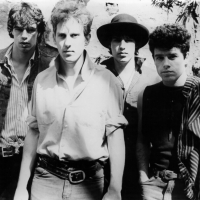
Red Rockers

Punk
Punk Rock
Pop Rock
 Viberate Rank: 225289
 Viberate Rank: 225289
 Monthly ListenersFollowers
 Subscribers
 Followers
 Followers
 FansTop Spotify Songs
| Track | 7-Day Streams | |
|---|---|---|
1 | 7.96K | |
2 | 243 | |
3 | 153 | |
4 | 138 | |
5 | 101 |
Top YouTube Videos| Video | 7-Day Views | |
|---|---|---|
1 | 1.05K | |
2 | 191 | |
3 | 134 | |
4 | 44 |
Monthly ListenersFeatured in Playlists| Playlist | Followers | |
|---|---|---|
1 |  New Wave 80s vs Alternative 90s Cocoy Claravall | 68.41K |
2 | The BEST of NEW WAVE '80s Ralph Geturbos | 43.11K |
3 | 80's New Wave Pascal Amiaud | 31.90K |
4 | New Wave / Synthpop / Early Alternative - 80s, late 70s, early 90s dachweiler | 27.63K |
5 |  Halt and Catch Fire Dudu Torres | 16.00K |
Audience| City | Monthly Listeners | |
|---|---|---|
1 |  | 1.08K |
2 | | 482 |
3 | | 393 |
4 | | 373 |
5 |  | 328 |
See full performance history, audience data, playlist activity, rankings, comparisons, and more in Viberate music analytics. Start with a free trial, then continue with a paid plan.
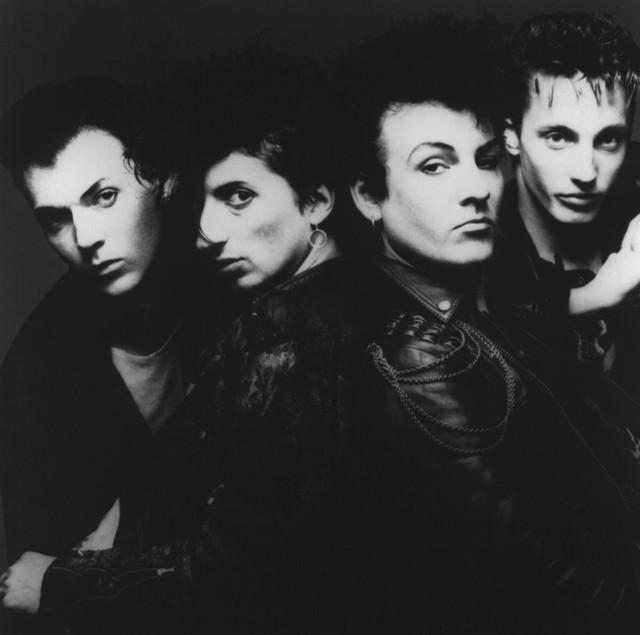
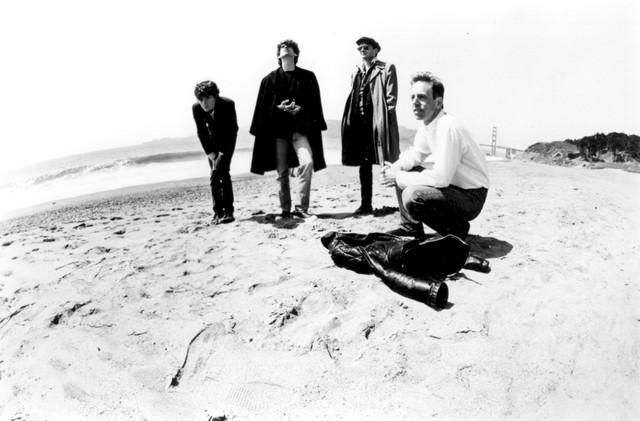
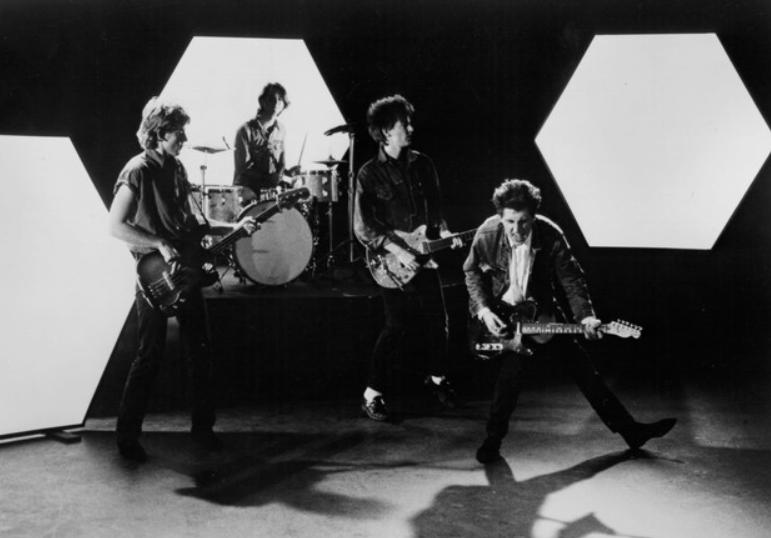
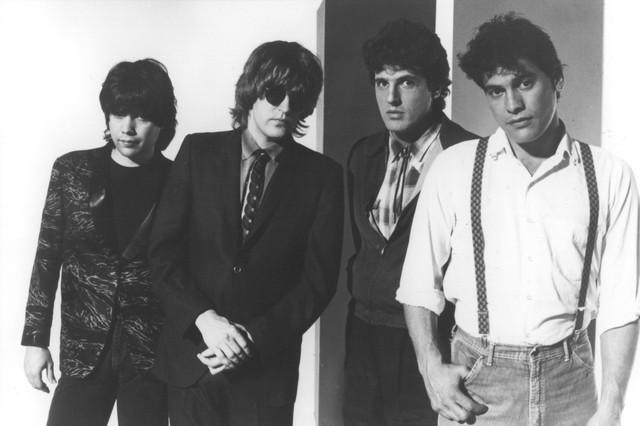
Red Rockers’ Spotify BioRed Rockers were a quartet from New Orleans, Louisiana. Initially a driving punk band who combined edgy hooks, powerful riffs, and political lyrics, they released the Guns of Revolution EP in 1980, followed by their celebrated Condition Red album in 1981. The group's political sound earned them designation as "America's Clash" in the music press. The band stunned fans and critics alike with 1983's Good as Gold, whose smash single "China" abandoned punk for new wave pop that had more in common with Modern English. Their musical identity crisis flowered on 1984's Schizophrenic Circus, their third and last album. Its songs fragmented across alt- and folk-rock, indie pop, psych, and new wave. The set's first single, a jangle rock cover of Barry McGuire's 1960s anti-war anthem "Eve of Destruction," was followed by "Blood from a Stone," which wed zydeco, electric Celtic folk, and guitar rock. The album didn't chart, and the band split up in 1985.
Red Rockers were founded as a trio in 1979 by… vocalist and rhythm guitarist John Thomas Griffith, lead guitarist James Singletary, and bassist Darren Hill. They played punk rock first as the Rat Finks. They were deeply influenced by the socially conscious and political lyrics of punk bands like the Clash and Vancouver's the Dils and D.O.A. They brought on drummer Patrick Butler Jones, and changed the name of the band based on the Dils' song "Red Rockers Rule."
The group began writing songs together and playing local shows. Late in 1979, they recorded and released the Guns of Revolution EP, consisting of the title track on the A-side and "Teenage Underground" and "Nothing to Lose" on the flip, for the fledgling Vinyl Solution label. It won enough notice regionally and in the fanzine community to become something of a cult hit. The EP's reception dictated touring, and the band subsequently opened for virtually every punk or punk-inspired band to come through NOLA, but they eventually toured the country, winning over club audiences from coast to coast.
While working in California, Red Rockers assembled a host of material for a full-length album. Upon seeing them in San Francisco, and hearing the EP and compilation tracks "Dead Heroes" and "Red Star," the city's 415 Records signed them. In 1981, Red Rockers issued the 12-song Condition Red as their debut album. It offered re-recorded versions of "Guns of Revolution" and "Dead Heroes." The record also included a guest spot by Jello Biafra -- he sang background vocals on a rollicking cover of Johnny Cash's "Folsom Prison Blues." Condition Red won international notice from the punk press, eventually securing them touring slots with the Clash.
While the album didn't perform in the marketplace, its overwhelmingly positive critical reception bolstered the confidence of 415, which signed a rash of acts in the aftermath, including Romeo Void, Wire Train, and Translator. The label asserted its muscle and got Red Rockers to tour with those bands, then relocate to San Francisco. Once the group had moved across the country, 415 put its efforts into substantially altering the band's sound. The label utilized house A&R man, producer, and engineer David Kahne (he later served as a VP at Columbia and Warner Bros.) and wrote most of the songs on 1983's Good as Gold.
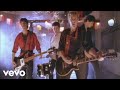
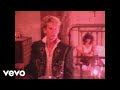
Kahne was exacting and driven. His studio direction and songwriting caused tension and dissension in the ranks, causing Jones to leave the band and be replaced by ex-Stiff Little Fingers drummer Jim Reilly. The label entered into a distribution deal with Columbia. They put money behind Red Rockers, filming them in two locations in advance of Good as Gold's release. The album's first single, "China," and its video shocked not only fans but critics. Based on a single lithe pop riff, the track was so gentle, so utterly under the influence of the Cure and Modern English, it changed the band's entire musical persona. The song peaked at 53 on the Hot 100 and at 19 on the Mainstream Rock chart, while the album peaked at 71 on the Top 200. The video was even more successful and a much-requested entry at MTV. It won the band touring slots with top-selling acts such as the Go-Gos, the Cars, the Kinks, Men at Work, and Joan Jett. "China" was followed by two more singles, "Til It All Falls Down" and the title track; neither fared well commercially.
Red Rockers' split musical persona caused consternation among their early fans, who essentially abandoned them. Arguments over creative direction led to Singletary leaving the band and being replaced by Shawn Paddock. Columbia hired producers Rick Chertoff and William Wittman to helm the group's third album, Schizophrenic Circus. The ever-fragmenting musical direction the band pursued with their producers resulted in a lack of musical cohesion in the studio. The album cover, referencing the Doors' cover for Strange Days, did them no favors among fans or critics.
That said, the burgeoning college radio format hyped Red Rockers' cover of Barry McGuire's 1966 protest anthem "Eve of Destruction," and it became a hit. The second single was a much-improved cover of the Hooters' "Blood from a Stone." It was so successful, the Hooters recut it for Nervous Night the following year. A 12" single boasting two versions of "Just Like You" was the band's last release in 1984. In early 1985, they opened for U2 on the Unforgettable Fire tour. After the road jaunt, Red Rockers split up, and the group's various members scattered to the wind. Griffith founded and continues to play in Cowboy Mouth. Singletary returned to New Orleans to play in various bands including Alexander Fly. Hill and Reilly joined Raindogs in Boston and cut an album. The former left to start a management company, while the drummer returned to the U.K. and eventually to Ireland, where he joined the Dead Handsomes.
In October 2023, Liberty Spike Recordings reissued a remastered Condition Red with a handful of bonus tracks and a booklet containing commentary from the former members of Red Rockers. ~ Thom Jurek, Rovi
Viberate is a music analytics platform built for A&Rs, artist managers, labels, booking agents, marketers, and artists.
It helps music professionals track artist growth, analyze audience data, monitor playlist activity, compare artists, follow song performance, and identify opportunities across the music market.
Public artist pages provide a free preview of selected artist data. Paid plans provide access to deeper analytics, historical data, charts, comparisons, playlist tools, exports, alerts, reports, and additional professional features.
Yes. Public Viberate artist pages provide selected artist analytics and music data for free.
Viberate also offers a 7-day free trial of the full platform. A credit card is required to start the trial. The trial includes access to the complete product so users can test deeper artist analytics, historical views, playlist insights, comparisons, charts, exports, alerts, and reporting features before choosing a paid plan.
Viberate provides artist analytics across streaming, playlists, social media, video, radio airplay, songs, and audience markets.
Users can analyze Spotify performance, Spotify and Apple Music playlists, YouTube activity, TikTok and Instagram growth, radio spins, song performance, audience locations, demographics, rankings, and overall artist momentum.
Artist profiles also connect to music charts, similar artists, and comparison tools, helping users benchmark performance and evaluate artists in context.
Viberate updates key artist and track data daily.
For followed artists and tracks, selected data is refreshed multiple times per day. This helps teams monitor playlist changes, streaming movement, audience growth, releases, and campaign performance with more current data.
Update frequency can vary depending on the metric and data source.
Yes. Viberate lets users compare up to five artists side by side across streaming, social media, audience, and engagement metrics.
Users can compare fanbase growth, audience demographics, locations, Spotify performance, social metrics, and other artist data over selected time periods.
Artist comparison can be used for A&R scouting, benchmarking, booking decisions, campaign planning, and evaluating artists with similar audiences or market positions.