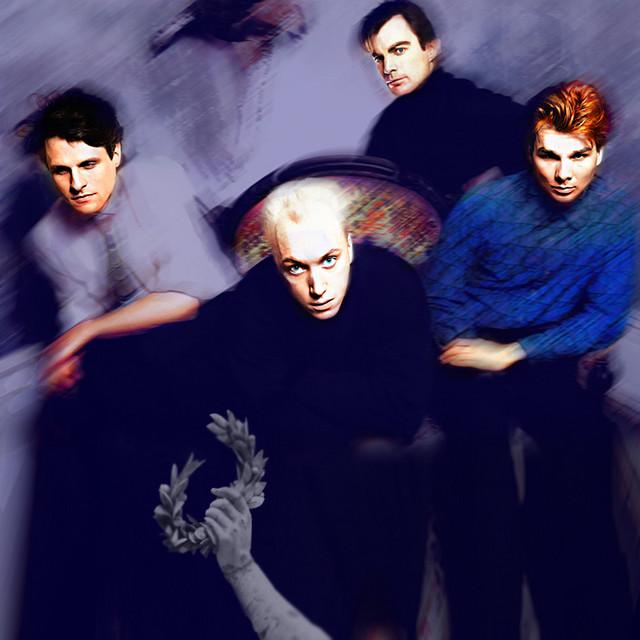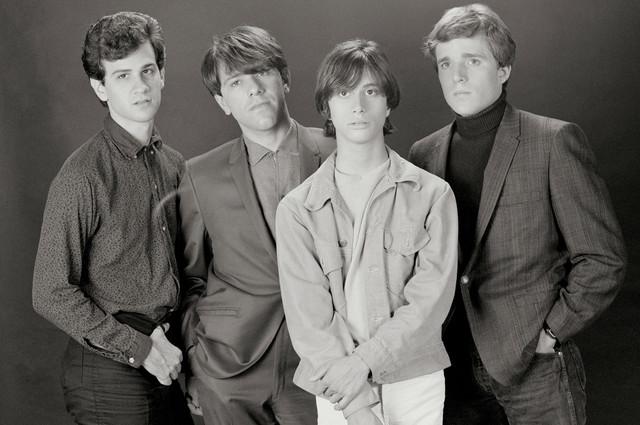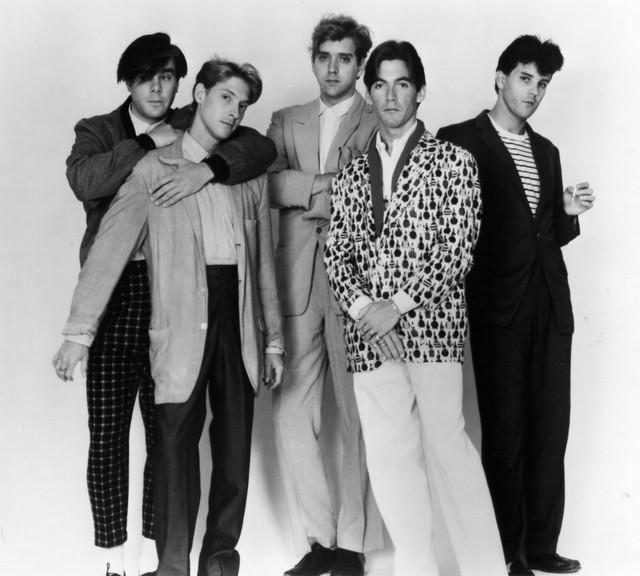
The Suburbs

Punk
Punk Rock
Pop Rock
 Viberate Rank: 218042
 Viberate Rank: 218042
 Monthly ListenersFollowers
 Subscribers
 Followers
 Followers
 FansTop Spotify Songs
| Track | 7-Day Streams | |
|---|---|---|
1 | 2.35K | |
2 | 1.54K | |
3 | 526 | |
4 | 373 | |
5 | 359 |
Top YouTube VideosMonthly ListenersFeatured in Playlists| Playlist | Followers | |
|---|---|---|
1 |  1980s Retrogamer PlayStation®️ | 28.53K |
2 |  1980s Alternative Retrogamer PlayStation®️ | 11.69K |
3 |  KEXP's Song of the Day 2021 KEXP | 5.64K |
4 |  KEXP's Song of the Day 2017 KEXP | 5.40K |
5 |  Adult Music for Kids Too Kirksterama | 5.01K |
Audience| City | Monthly Listeners | |
|---|---|---|
1 | | 1.32K |
2 | | 446 |
3 | | 312 |
4 | | 253 |
5 | | 184 |
See full performance history, audience data, playlist activity, rankings, comparisons, and more in Viberate music analytics. Start with a free trial, then continue with a paid plan.
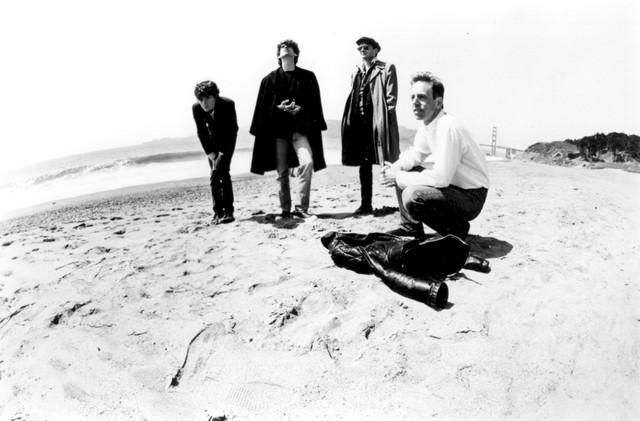
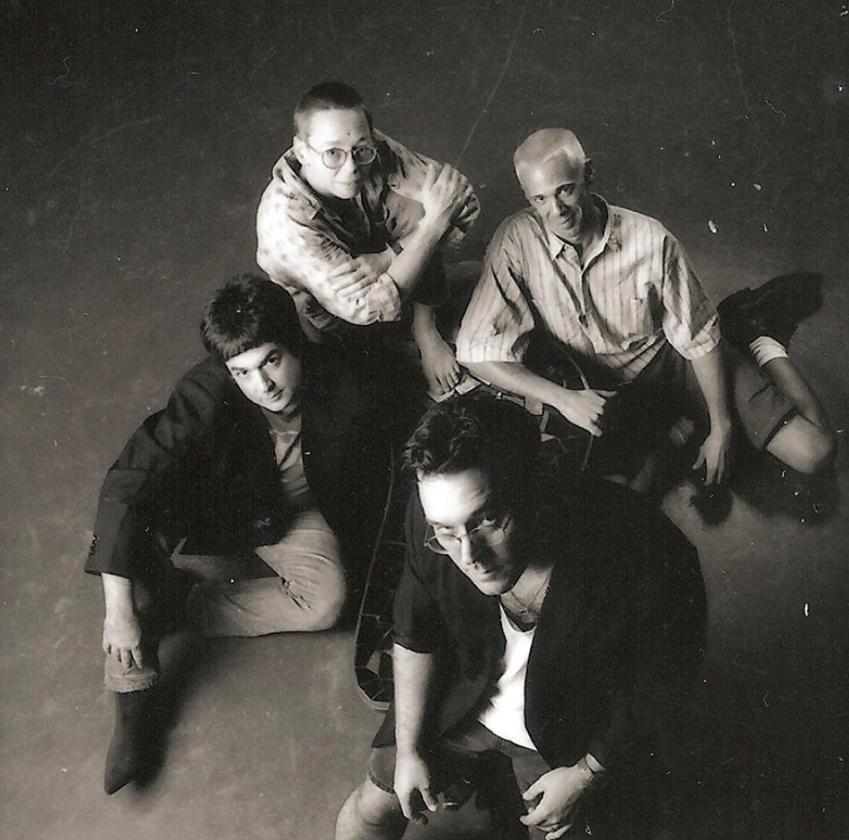
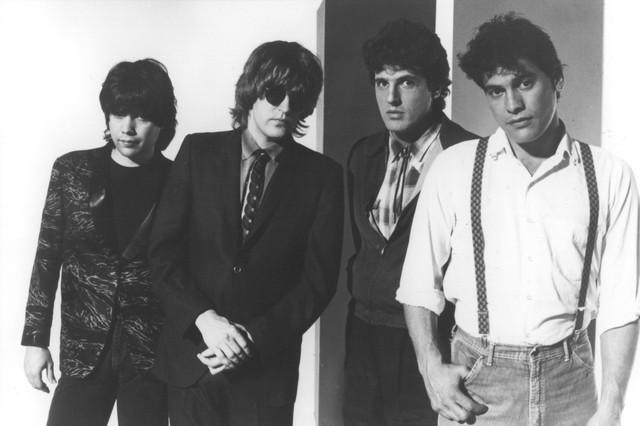
The Suburbs’ Spotify BioWhile the Replacements, Hüsker Dü, and Soul Asylum were the Minneapolis bands that brought the city's underground rock to international attention, the Suburbs were the Twin Cities' biggest local act of the 1980s, packing the biggest clubs in town with a smart, challenging, and darkly witty combination of punk energy and snark, new wave polish, tough guitars, and hooky dance rhythms.
The Suburbs were formed in 1977 by vocalist and keyboardist Chan Poling and vocalist and lead guitarist Blaine John ("Beej") Chaney; the two had been close friends since their high school days and had both traveled to California to attend art school in 1974. Poling and Chaney were exposed to the nascent Los Angeles punk scene before returning to Minneapolis, where Poling discovered his pal Chris Osgood had formed the Suicide Commandos, generally cited as the first proper punk outfit in the Twin Cities. Intrigued by the budding music scene in their hometown, Poling and Chaney talked with Osgood about their… desire to start a band; Osgood in turn introduced them to guitarist Bruce Allen, bassist Michael Halliday, and drummer Hugo Klaers, and the Suburbs were born.
With few clubs in town booking original rock music, the Suburbs started out playing parties with other local acts, until Jay's Longhorn Bar, a jazz venue, took a chance on hosting the band. The Longhorn was soon Minneapolis' home for punk and new wave sounds, and the Suburbs attracted the attention of local indie label Twin/Tone Records. In the spring of 1978, the Suburbs released their first record on Twin/Tone, a 7" EP featuring nine songs dominated by a punk attack and an arty melodic edge. A single, "World War III" b/w "Change Agent," followed in June 1979, and the Suburbs released their first full-length album, In Combo, in January 1980.
By this time, the band's sound was growing more sophisticated, and they'd become a major club draw in the Midwest. In Combo sold over 13,000 copies, an impressive feat for an independent album at the time, and 1981's Credit in Heaven was an even more ambitious project, a two-LP set that veered from pulsing dance-rock to outré ballads to noisy jazz-influenced art rock. Credit from Heaven sold 15,000 copies and spun off a 12" single, "Music for Boys," that hit the national dance charts. The Suburbs teamed with producer Steve Greenberg (who scored a massive hit with the song "Funkytown" as part of his group Lipps Inc.) for the EP Dream Hog, released in late 1982. It included another dance hit, "Waiting," and with the Suburbs regularly selling out multiple nights at First Avenue in Minneapolis and drawing impressive crowds elsewhere, the group landed a deal with Mercury Records, which obtained the rights to the Suburbs' back catalog and promptly reissued Dream Hog.
In 1983, the band released their first major-label album, Love Is the Law, again produced by Steve Greenberg, but while the title tune became a big hit in Minneapolis and received scattered airplay elsewhere, Mercury was uncertain how to promote the band, and despite strong reviews and extensive touring, the album wasn't the breakout hit the group had hoped for. The Suburbs left Mercury Records, and struck a deal with A&M; their 1986 album, simply called Suburbs, was produced by Robert Brent, better known as Bobby Z, drummer with Prince & the Revolution. While it was the band's most commercial effort to date, it didn't click with record buyers, and in 1987, the Suburbs, frustrated by their experience with the major labels, released an independent single, "Little Man's Gonna Fall" b/w "Don't Do Me Any Favors," shortly before they called it a day with a series of farewell shows at First Avenue.
In 1992, Twin/Tone released a collection of the group's most popular material, Ladies and Gentlemen, The Suburbs Have Left the Building, and the following year, the band played a few reunion concerts at First Avenue. The Suburbs began playing shows every year or so over the next few years, and Chaney formed his own record label, Beejtar Records, which reissued In Combo, Credit in Heaven, and Love Is the Law in 2002, as well as the best-of collection Chemistry Set: Songs of the Suburbs 1977-1987 in 2003. In late 2009, the group mourned the loss of guitarist Bruce Allen, who also worked as a graphic designer and created the band's logo. Not long after Allen's death, bassist Michael Halliday retired from the Suburbs, largely because of his struggle with arthritis.
The rest of the group soldiered on, playing occasional shows with new members Steve Brantseg on guitar and Steve Price on bass, marking the first changes in the band's lineup since they began. Chan Poling divided his time between occasional Suburbs shows and gigs with his jazz-influenced combo the New Standards, but in 2011, after the death of his wife, broadcaster and political scion Eleanor Mondale, he was eager to make a rock & roll record again. Rather than deal with a record company, the Suburbs opted to finance and release the new album themselves, and after raising over $70,000 in a Kickstarter campaign, the group's long-awaited studio comeback, Si Sauvage, arrived in the fall of 2013. It was released as the band was enjoying a new surge of popularity, after marriage equality activists (with the Suburbs' blessings) used the song "Love Is the Law" as the theme song for their successful campaign to legalize same-sex marriage in Minneapolis.
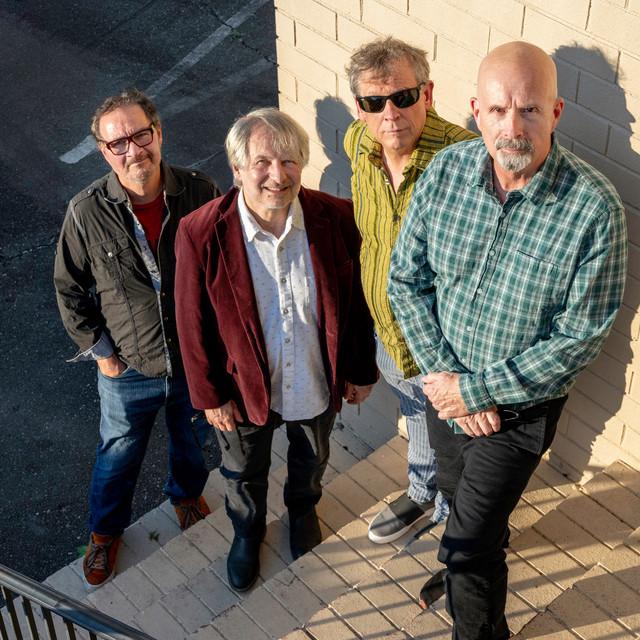
Following the release of Si Sauvage, the Suburbs supported the release with live appearances in the Midwest and East Coast. After successfully crowdfunding the recording and release of Si Sauvage, the band once again turned to their fans to bankroll the follow-up, 2017's Hey Muse! The album introduced a new lineup of the Suburbs, with founding members Chan Poling and Hugo Klaers and bassist Steve Price joined by guitarists Stevie Brantseg and Jeremy Ylvisaker, Stephen Kung on keyboards and horns, Rochelle Becker on baritone sax, and Janey Winterbauer on backing vocals. The album appeared in mid-2017, in time for the group's 40th anniversary. ~ Mark Deming, Rovi
Viberate is a music analytics platform built for A&Rs, artist managers, labels, booking agents, marketers, and artists.
It helps music professionals track artist growth, analyze audience data, monitor playlist activity, compare artists, follow song performance, and identify opportunities across the music market.
Public artist pages provide a free preview of selected artist data. Paid plans provide access to deeper analytics, historical data, charts, comparisons, playlist tools, exports, alerts, reports, and additional professional features.
Yes. Public Viberate artist pages provide selected artist analytics and music data for free.
Viberate also offers a 7-day free trial of the full platform. A credit card is required to start the trial. The trial includes access to the complete product so users can test deeper artist analytics, historical views, playlist insights, comparisons, charts, exports, alerts, and reporting features before choosing a paid plan.
Viberate provides artist analytics across streaming, playlists, social media, video, radio airplay, songs, and audience markets.
Users can analyze Spotify performance, Spotify and Apple Music playlists, YouTube activity, TikTok and Instagram growth, radio spins, song performance, audience locations, demographics, rankings, and overall artist momentum.
Artist profiles also connect to music charts, similar artists, and comparison tools, helping users benchmark performance and evaluate artists in context.
Viberate updates key artist and track data daily.
For followed artists and tracks, selected data is refreshed multiple times per day. This helps teams monitor playlist changes, streaming movement, audience growth, releases, and campaign performance with more current data.
Update frequency can vary depending on the metric and data source.
Yes. Viberate lets users compare up to five artists side by side across streaming, social media, audience, and engagement metrics.
Users can compare fanbase growth, audience demographics, locations, Spotify performance, social metrics, and other artist data over selected time periods.
Artist comparison can be used for A&R scouting, benchmarking, booking decisions, campaign planning, and evaluating artists with similar audiences or market positions.