Too Much Joy

Rock
Alternative Rock
Power Pop
Pop Rock
 Viberate Rank: 281529
 Viberate Rank: 281529
 Monthly ListenersFollowers
 Subscribers
 Followers
 Followers
 FansTop Spotify Songs
| Track | 7-Day Streams | |
|---|---|---|
1 | 690 | |
2 | 143 | |
3 | 137 | |
4 | 89 | |
5 | 87 |
Top YouTube VideosMonthly ListenersFeatured in Playlists| Playlist | Followers | |
|---|---|---|
1 | The Best Songs mark.hoppus | 15.33K |
2 | 120 Minutes full Archive frankspin | 7.87K |
3 |  90s Road Trip Carefully Curated. | 6.14K |
4 |  Obscure Rare And Forgotten 90's Alternative, Rock, Metal, And Grunge Deep Cuts Rick Plant | 5.01K |
5 |  90s Coffeehouse Mätti | 4.10K |
Audience| City | Monthly Listeners | |
|---|---|---|
1 | | 93 |
2 | | 79 |
3 | | 65 |
4 | | 48 |
5 | | 47 |
See full performance history, audience data, playlist activity, rankings, comparisons, and more in Viberate music analytics. Start with a free trial, then continue with a paid plan.
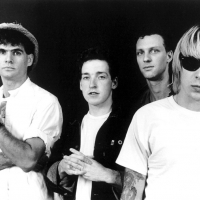
Too Much Joy’s Spotify BioFacing feelings, cursing feelings, shouting feelings over propulsive drums and unreasonably loud guitars, sneaking feelings into singalongs so gum-in-hair sticky that it might take a couple choruses before the people singing along realize they’re singing something raw and resonant and true: this has been the Too Much Joy approach for decades. Here’s a band that got ‘90s crowds to shout “La-la-la-la-la-la lonely,” pandemic-era streamers to belt “Men like Uncle Watson / will destroy us in the end,” and now All These Fucking Feelings listeners to holler “Talking about what pricks we were / and how much better we wanted to be.”
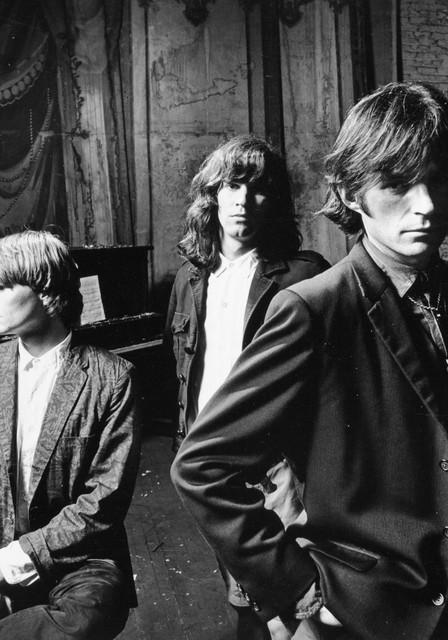
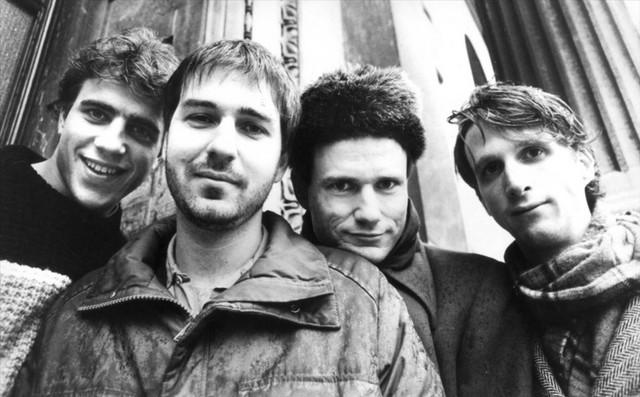
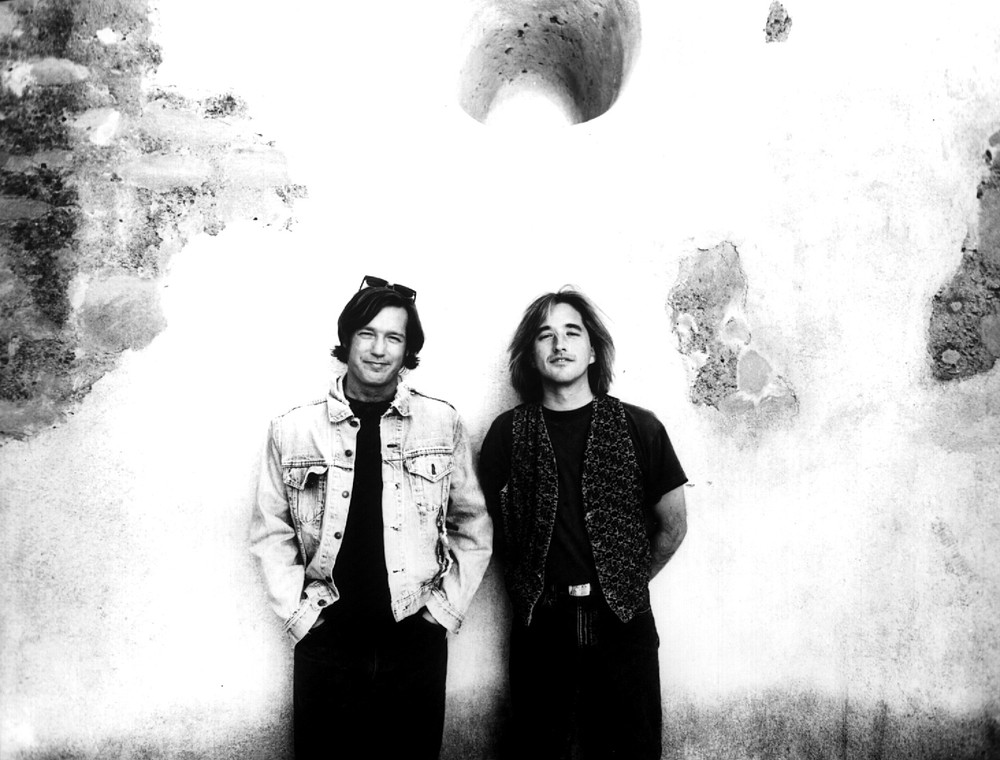
Who knows whether they were pricks or not. What matters is that the four suburban New York kids who played Clash covers at school dances in 1980 have kept at it ever since. Along the way they’ve grown into an international five piece, after dragooning British pop savant (and producer of brash fourth album, Mutiny) William Wittman into the band. Drummer Tommy Vinton’s… headlong rhythms have always been as crucial to Too Much Joy as singer/lyricist/mensch Tim Quirk’s incisive words and Jay Blumenfield’s raucous guitar. All These Fucking Feelings finds Vinton and bassists Sandy Smallens and Wittman in peak form on the swaggering “Minister of Loneliness,” a post-punk powerhouse that boasts throat-shredding shouts, or “Our History in Hugs,” a 3-minute na-na-na relationship history digging into love and loss over an irresistible Archies stomp. –Alan Scherstuhl
Viberate is a music analytics platform built for A&Rs, artist managers, labels, booking agents, marketers, and artists.
It helps music professionals track artist growth, analyze audience data, monitor playlist activity, compare artists, follow song performance, and identify opportunities across the music market.
Public artist pages provide a free preview of selected artist data. Paid plans provide access to deeper analytics, historical data, charts, comparisons, playlist tools, exports, alerts, reports, and additional professional features.
Yes. Public Viberate artist pages provide selected artist analytics and music data for free.
Viberate also offers a 7-day free trial of the full platform. A credit card is required to start the trial. The trial includes access to the complete product so users can test deeper artist analytics, historical views, playlist insights, comparisons, charts, exports, alerts, and reporting features before choosing a paid plan.
Viberate provides artist analytics across streaming, playlists, social media, video, radio airplay, songs, and audience markets.
Users can analyze Spotify performance, Spotify and Apple Music playlists, YouTube activity, TikTok and Instagram growth, radio spins, song performance, audience locations, demographics, rankings, and overall artist momentum.
Artist profiles also connect to music charts, similar artists, and comparison tools, helping users benchmark performance and evaluate artists in context.
Viberate updates key artist and track data daily.
For followed artists and tracks, selected data is refreshed multiple times per day. This helps teams monitor playlist changes, streaming movement, audience growth, releases, and campaign performance with more current data.
Update frequency can vary depending on the metric and data source.
Yes. Viberate lets users compare up to five artists side by side across streaming, social media, audience, and engagement metrics.
Users can compare fanbase growth, audience demographics, locations, Spotify performance, social metrics, and other artist data over selected time periods.
Artist comparison can be used for A&R scouting, benchmarking, booking decisions, campaign planning, and evaluating artists with similar audiences or market positions.