Dreams So Real

Rock
Alternative Rock
Indie Rock
 Viberate Rank: 333605
 Viberate Rank: 333605
 Monthly ListenersFollowers
 Subscribers
 Followers
 Followers
 FansTop Spotify Songs
| Track | 7-Day Streams | |
|---|---|---|
1 | 329 | |
2 | 256 | |
3 | 152 | |
4 | 115 | |
5 | 85 |
Top YouTube VideosMonthly ListenersFeatured in Playlists| Playlist | Followers | |
|---|---|---|
1 | 120 Minutes full Archive frankspin | 7.87K |
2 |  the jangle pop masterlist Arielle | 5.97K |
3 |  Jangle Pop/Rock Ash Dubey | 4.12K |
4 |  80s Alternative Rock & New Wave: Hits & Deep Cuts Carefully Curated. | 2.54K |
5 |  History of Power Pop Luthercal | 2.00K |
Audience| City | Monthly Listeners | |
|---|---|---|
1 | | 156 |
2 | | 42 |
3 | | 36 |
4 | | 30 |
5 | | 28 |
See full performance history, audience data, playlist activity, rankings, comparisons, and more in Viberate music analytics. Start with a free trial, then continue with a paid plan.
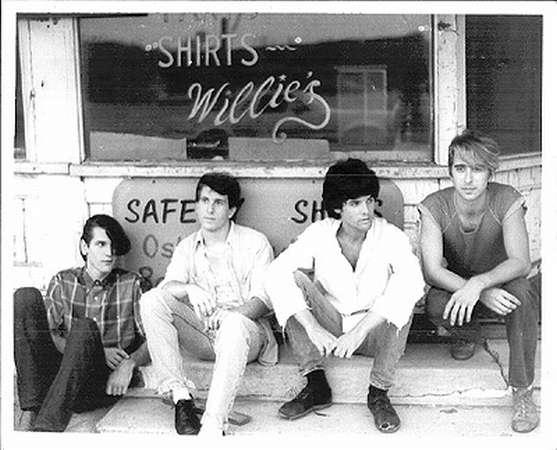
Dreams So Real’s Spotify BioEmerging from the early Athens music scene, Dreams So Real was considered the next big thing after
indie label record releases produced by R.E.M.’s Peter Buck and an appearance in the documentary movie Athens, Georgia–Inside/Out. In March of 1988, the band signed a major-label record contract with Clive Davis’s Arista Records and headed to Los Angeles to record what would become Rough Night in Jericho. Considered by some as one of the best albums of its genre, the group released Jericho along with two music videos in 1989 while appearing on radio and television including national and international tours headlining and opening with other well-known acts of the day such as Melissa Etheridge, Hootie and the Blowfish, 10,000 Maniacs, The Fixx, The Church and others. The group went on to release two more albums including 1990’s Gloryline which featured tracks such as “Stand Tall,” “Faith” and “Here To Speak My Mind" before officially disbanding in 1994.
Viberate is a music analytics platform built for A&Rs, artist managers, labels, booking agents, marketers, and artists.
It helps music professionals track artist growth, analyze audience data, monitor playlist activity, compare artists, follow song performance, and identify opportunities across the music market.
Public artist pages provide a free preview of selected artist data. Paid plans provide access to deeper analytics, historical data, charts, comparisons, playlist tools, exports, alerts, reports, and additional professional features.
Yes. Public Viberate artist pages provide selected artist analytics and music data for free.
Viberate also offers a 7-day free trial of the full platform. A credit card is required to start the trial. The trial includes access to the complete product so users can test deeper artist analytics, historical views, playlist insights, comparisons, charts, exports, alerts, and reporting features before choosing a paid plan.
Viberate provides artist analytics across streaming, playlists, social media, video, radio airplay, songs, and audience markets.
Users can analyze Spotify performance, Spotify and Apple Music playlists, YouTube activity, TikTok and Instagram growth, radio spins, song performance, audience locations, demographics, rankings, and overall artist momentum.
Artist profiles also connect to music charts, similar artists, and comparison tools, helping users benchmark performance and evaluate artists in context.
Viberate updates key artist and track data daily.
For followed artists and tracks, selected data is refreshed multiple times per day. This helps teams monitor playlist changes, streaming movement, audience growth, releases, and campaign performance with more current data.
Update frequency can vary depending on the metric and data source.
Yes. Viberate lets users compare up to five artists side by side across streaming, social media, audience, and engagement metrics.
Users can compare fanbase growth, audience demographics, locations, Spotify performance, social metrics, and other artist data over selected time periods.
Artist comparison can be used for A&R scouting, benchmarking, booking decisions, campaign planning, and evaluating artists with similar audiences or market positions.