Sand Rubies

Rock
Alternative Rock
Indie Rock
 Viberate Rank: 432720
 Viberate Rank: 432720
 Monthly ListenersFollowers
 Subscribers
 Followers
 Followers
 FansTop Spotify Songs
| Track | 7-Day Streams | |
|---|---|---|
1 | 91 | |
2 | 80 | |
3 | 28 | |
4 | 27 | |
5 | 17 |
Top YouTube Videos| Video | 7-Day Views | |
|---|---|---|
1 | 54 | |
2 | 44 | |
3 | 1 |
Monthly ListenersFeatured in Playlists| Playlist | Followers | |
|---|---|---|
1 |  Off Your Face anton newcombe | 5.86K |
2 | Ultimate Neil Young Covers- The Original zenreader | 789 |
3 |  Paisley Underground & Jangly Guitars Caio Pizzol | 653 |
4 |  Jangle Pop Gems alexthoffman | 595 |
5 | Trooper — We're Here For A Good Time (Not A Long Time) 22gz7laogqiqpblvmyy6qenii | 423 |
Audience| City | Monthly Listeners | |
|---|---|---|
1 |  | 32 |
2 | | 24 |
3 | | 10 |
4 | | 10 |
5 | | 9 |
See full performance history, audience data, playlist activity, rankings, comparisons, and more in Viberate music analytics. Start with a free trial, then continue with a paid plan.
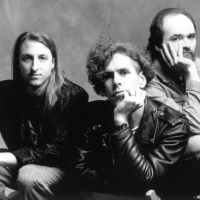
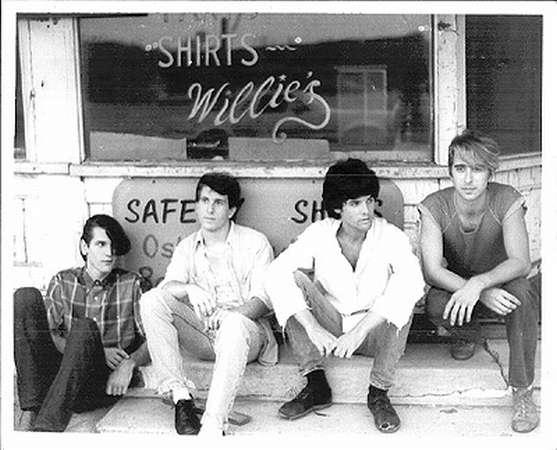
Sand Rubies’ Spotify BioThe Sand Rubies evolved from an Arizona group called the Sidewinders, an outfit that had already put out three albums with Rich Hopkins on guitar and David Slutes as vocalist. The name change came about because of legal difficulties, but they went on to ink a deal with Mammoth Records in 1988. A showcase followed in New York, resulting in a deal with RCA. Due to little promotional backing from RCA, the Sand Rubies moved on to Ensign/Chrysalis during the early 1990s. Unfortunately, when EMI took over Chrysalis, the band was left out in the cold. Soon the Sand Rubies again had a new deal, this time with Atlas/PolyGram. At one time, Pearl Jam was the band's opening act. But the frustrations of continually having to find a new label tested band members resolve and resulted in tempers that were sometimes short. Infighting between Hopkins and Slutes led to even shakier times in 1993, and band members went their own ways. Three years later the two feuding musicians seemed to have buried the… hatchet and they reunited with drummer Bruce Halper and bass player Mark Perrodin. Hopkins also has a solo career. ~ Linda Seida, Rovi
Viberate is a music analytics platform built for A&Rs, artist managers, labels, booking agents, marketers, and artists.
It helps music professionals track artist growth, analyze audience data, monitor playlist activity, compare artists, follow song performance, and identify opportunities across the music market.
Public artist pages provide a free preview of selected artist data. Paid plans provide access to deeper analytics, historical data, charts, comparisons, playlist tools, exports, alerts, reports, and additional professional features.
Yes. Public Viberate artist pages provide selected artist analytics and music data for free.
Viberate also offers a 7-day free trial of the full platform. A credit card is required to start the trial. The trial includes access to the complete product so users can test deeper artist analytics, historical views, playlist insights, comparisons, charts, exports, alerts, and reporting features before choosing a paid plan.
Viberate provides artist analytics across streaming, playlists, social media, video, radio airplay, songs, and audience markets.
Users can analyze Spotify performance, Spotify and Apple Music playlists, YouTube activity, TikTok and Instagram growth, radio spins, song performance, audience locations, demographics, rankings, and overall artist momentum.
Artist profiles also connect to music charts, similar artists, and comparison tools, helping users benchmark performance and evaluate artists in context.
Viberate updates key artist and track data daily.
For followed artists and tracks, selected data is refreshed multiple times per day. This helps teams monitor playlist changes, streaming movement, audience growth, releases, and campaign performance with more current data.
Update frequency can vary depending on the metric and data source.
Yes. Viberate lets users compare up to five artists side by side across streaming, social media, audience, and engagement metrics.
Users can compare fanbase growth, audience demographics, locations, Spotify performance, social metrics, and other artist data over selected time periods.
Artist comparison can be used for A&R scouting, benchmarking, booking decisions, campaign planning, and evaluating artists with similar audiences or market positions.