Tomahawk

Metal
Alternative Metal
Alternative Rock
 Viberate Rank: 65607
 Viberate Rank: 65607
 Monthly ListenersFollowers
 Subscribers
 Followers
 Followers
 FansTop Spotify Songs
| Track | 7-Day Streams | |
|---|---|---|
1 | 18.97K | |
2 | 4.61K | |
3 | 3.92K | |
4 | 3.84K | |
5 | 2.64K |
Top YouTube VideosMonthly ListenersFeatured in Playlists| Playlist | Followers | |
|---|---|---|
1 | GRUNGE zerubi | 80.90K |
2 | GIRA EN MOTO 2019 edocaroe | 14.40K |
3 | Tribal Fusion / Belly-dance Denise Tamenne | 7.95K |
4 |  Sevginin Gücü sezyum | 6.54K |
5 |  SEKKDS 10K x 10K SEKKDS | 4.00K |
Audience| City | Monthly Listeners | |
|---|---|---|
1 |  | 2.73K |
2 |  | 1.26K |
3 | | 1.21K |
4 | | 967 |
5 | | 726 |
See full performance history, audience data, playlist activity, rankings, comparisons, and more in Viberate music analytics. Start with a free trial, then continue with a paid plan.
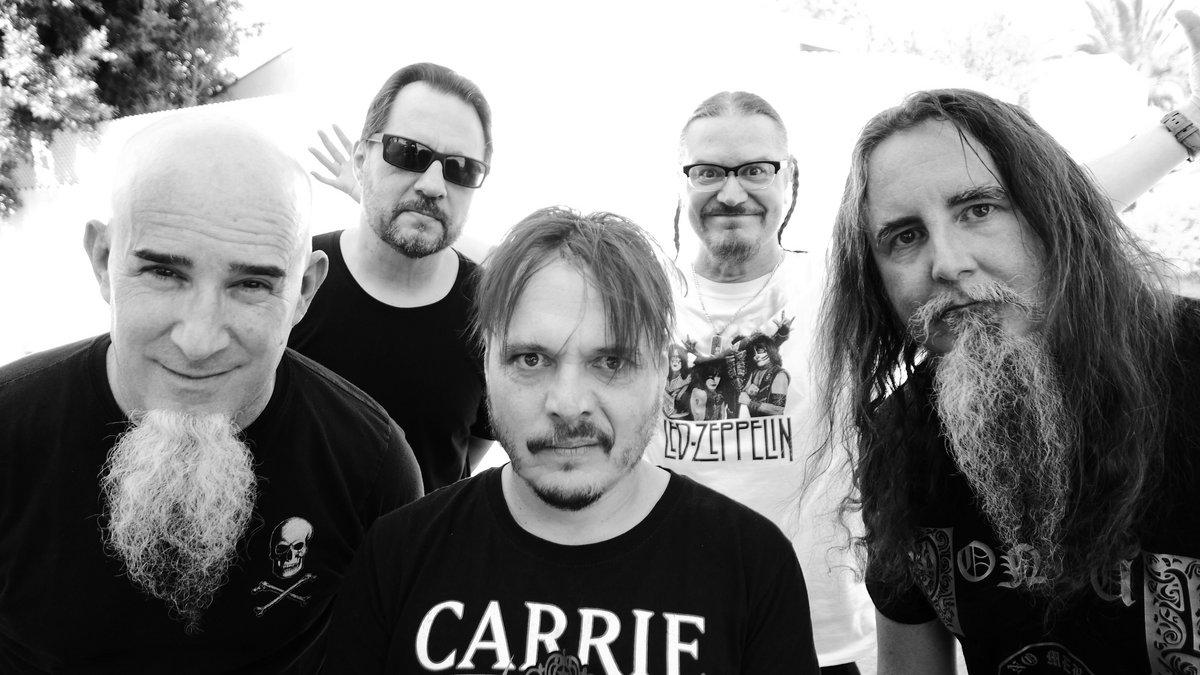
Tomahawk’s Spotify BioStop if you’ve heard this one before…Four guys from a bunch of other bands walk into a studio and walk out with a record. That’s sort of the story of Tomahawk, but it’s not the whole shebang. The guys—guitarist Duane Denison [the Jesus Lizard, Unsemble, etc.], vocalist Mike Patton [Faith No More, Mr. Bungle, Fantômas, etc.], drummer John Stanier [Helmet, Battles, etc.], and bassist Trevor “field mouse” Dunn [Mr. Bungle, Fantômas, etc.]—show up just when we need them. The first time was in 2001 with the self-titled Tomahawk. Following Mit Gas [2003] and Anonymous [2007], they dropped Oddfellows during 2013. It marked their best debut, reaching #9 on the Billboard Top Independent Albums Chart. Not to mention, critics really got it! The A.V. Club gave it a grade of “A-,” Revolver Magazine rated it “4-out-of-5 stars,” and Pitchfork chimed in, “This lurid, thorny, profoundly weird music--just comes tearing out.” All kinds of touring and festivals followed before the members went back to… their gazillion other gigs in 2014. On their 20th anniversary (that’s a good hook to sell a tour livestream, right?), they finally return with their fifth full-length album, Tonic Immobility [Ipecac], in 2021. Thawed out from their slumber, they sound like, well, Tomahawk…
Tomahawk Discography
Tonic Immobility – March 26, 2021
Oddfellows – 2013
Anonymous – 2007
Mit Gas - 2003
Tomahawk – 2001
Viberate is a music analytics platform built for A&Rs, artist managers, labels, booking agents, marketers, and artists.
It helps music professionals track artist growth, analyze audience data, monitor playlist activity, compare artists, follow song performance, and identify opportunities across the music market.
Public artist pages provide a free preview of selected artist data. Paid plans provide access to deeper analytics, historical data, charts, comparisons, playlist tools, exports, alerts, reports, and additional professional features.
Yes. Public Viberate artist pages provide selected artist analytics and music data for free.
Viberate also offers a 7-day free trial of the full platform. A credit card is required to start the trial. The trial includes access to the complete product so users can test deeper artist analytics, historical views, playlist insights, comparisons, charts, exports, alerts, and reporting features before choosing a paid plan.
Viberate provides artist analytics across streaming, playlists, social media, video, radio airplay, songs, and audience markets.
Users can analyze Spotify performance, Spotify and Apple Music playlists, YouTube activity, TikTok and Instagram growth, radio spins, song performance, audience locations, demographics, rankings, and overall artist momentum.
Artist profiles also connect to music charts, similar artists, and comparison tools, helping users benchmark performance and evaluate artists in context.
Viberate updates key artist and track data daily.
For followed artists and tracks, selected data is refreshed multiple times per day. This helps teams monitor playlist changes, streaming movement, audience growth, releases, and campaign performance with more current data.
Update frequency can vary depending on the metric and data source.
Yes. Viberate lets users compare up to five artists side by side across streaming, social media, audience, and engagement metrics.
Users can compare fanbase growth, audience demographics, locations, Spotify performance, social metrics, and other artist data over selected time periods.
Artist comparison can be used for A&R scouting, benchmarking, booking decisions, campaign planning, and evaluating artists with similar audiences or market positions.