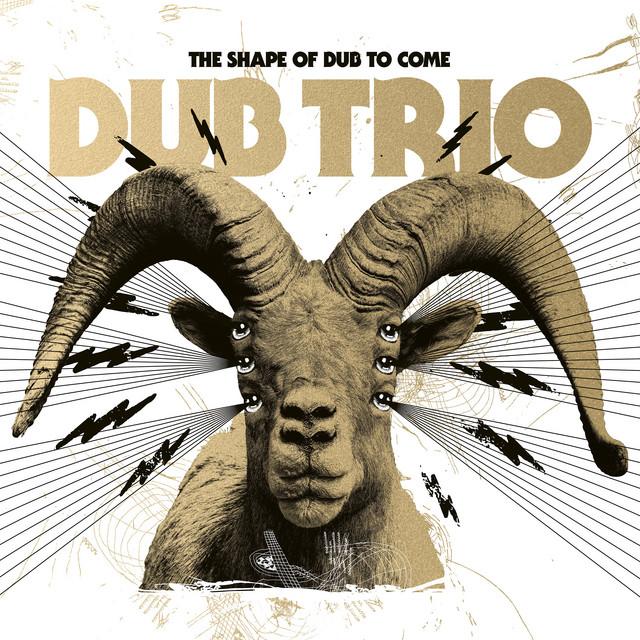
Dub Trio

Rock
Alternative Rock
Dub
Punk Rock
 Viberate Rank: 156799
 Viberate Rank: 156799
 Monthly ListenersFollowers
 Subscribers
 Followers
 Followers
 FansTop Spotify Songs
| Track | 7-Day Streams | |
|---|---|---|
1 | 7.55K | |
2 | 3.28K | |
3 | 338 | |
4 | 326 | |
5 | 247 |
Top YouTube VideosMonthly ListenersFeatured in Playlists| Playlist | Followers | |
|---|---|---|
1 | GRUNGE zerubi | 80.90K |
2 |  Headbanger Rock Johnny Stranger | 16.20K |
3 |  Exitos Casa Rasta Abigail Esquivel | 16.08K |
4 | Critical Role: Matt geekandsundry | 8.73K |
5 |  Reggae Dub Joe | 8.14K |
Audience| City | Monthly Listeners | |
|---|---|---|
1 |  | 351 |
2 |  | 209 |
3 |  | 190 |
4 | | 177 |
5 |  | 123 |
See full performance history, audience data, playlist activity, rankings, comparisons, and more in Viberate music analytics. Start with a free trial, then continue with a paid plan.
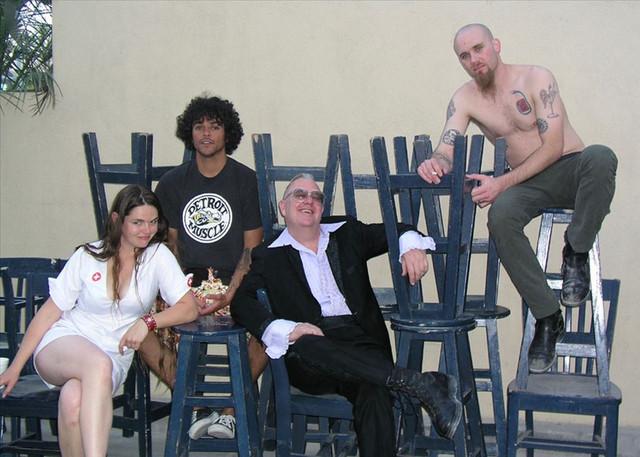
Dub Trio’s Spotify BioOver nearly two decades together, Brooklyn triumvirate Dub Trio—Stu Brooks [bass], DP Holmes [guitar], and Joe Tomino [drums]—not only delivered a string of albums that forever redefined the term “dub” under cover of metal, punk, alternative, and shoegaze, but also infused its musical prowess into the studio recordings and the shows of genre-bending icons ranging from Mike Patton to Lady Gaga. The three-piece introduced itself on 2004’s “live-dub experiment” Exploring the Dangers Of followed by successors New Heavy [2006], Another Sound Is Dying [2008], and IV [2011]. Conjuring up instrumental music hummable enough to sing, praise came from the likes of Pitchfork who predicted “Dub Trio are on to something.” Along the way, the guys served as Peeping Tom’s live band and toured alongside everyone from Clutch to Gogol Bordello and Dillinger Escape Plan. However, the band took a hiatus as a collective in 2015 after touring heavily behind IV. A two-week 2018 reunion at a tiny Brooklyn… rehearsal spot set the stage for their fifth full-length and first release for New Damage Records, The Shape of Dub To Come. Moored by “World of Inconvenience” [feat. King Buzzo], “Fought The Line” [feat. Troy Sanders], “Forget My Name Dub” [feat. Meshell Ndegeocello], they once again usher dub into new territory like only they can.
Viberate is a music analytics platform built for A&Rs, artist managers, labels, booking agents, marketers, and artists.
It helps music professionals track artist growth, analyze audience data, monitor playlist activity, compare artists, follow song performance, and identify opportunities across the music market.
Public artist pages provide a free preview of selected artist data. Paid plans provide access to deeper analytics, historical data, charts, comparisons, playlist tools, exports, alerts, reports, and additional professional features.
Yes. Public Viberate artist pages provide selected artist analytics and music data for free.
Viberate also offers a 7-day free trial of the full platform. A credit card is required to start the trial. The trial includes access to the complete product so users can test deeper artist analytics, historical views, playlist insights, comparisons, charts, exports, alerts, and reporting features before choosing a paid plan.
Viberate provides artist analytics across streaming, playlists, social media, video, radio airplay, songs, and audience markets.
Users can analyze Spotify performance, Spotify and Apple Music playlists, YouTube activity, TikTok and Instagram growth, radio spins, song performance, audience locations, demographics, rankings, and overall artist momentum.
Artist profiles also connect to music charts, similar artists, and comparison tools, helping users benchmark performance and evaluate artists in context.
Viberate updates key artist and track data daily.
For followed artists and tracks, selected data is refreshed multiple times per day. This helps teams monitor playlist changes, streaming movement, audience growth, releases, and campaign performance with more current data.
Update frequency can vary depending on the metric and data source.
Yes. Viberate lets users compare up to five artists side by side across streaming, social media, audience, and engagement metrics.
Users can compare fanbase growth, audience demographics, locations, Spotify performance, social metrics, and other artist data over selected time periods.
Artist comparison can be used for A&R scouting, benchmarking, booking decisions, campaign planning, and evaluating artists with similar audiences or market positions.