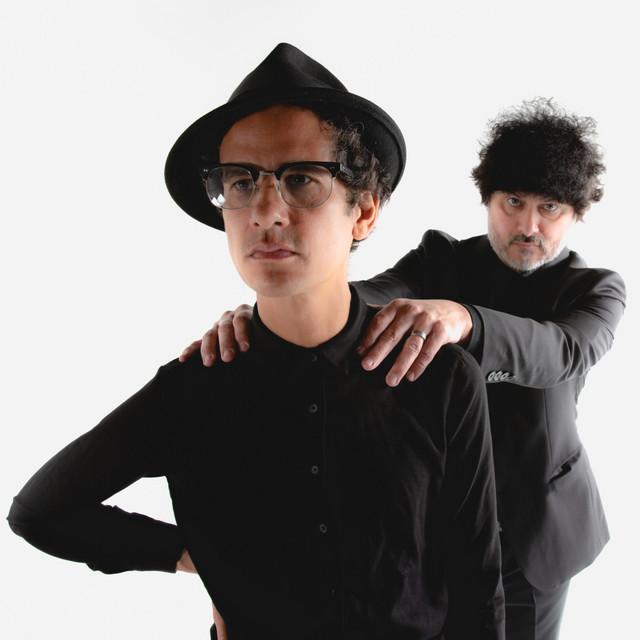
Mr. Bungle

Metal
Alternative Metal
Alternative Rock
 Viberate Rank: 35310
 Viberate Rank: 35310
 Monthly ListenersFollowers
 Subscribers
 Followers
 Followers
 FansTop Spotify Songs
| Track | 7-Day Streams | |
|---|---|---|
1 | 25.70K | |
2 | 22.43K | |
3 | 17.38K | |
4 | 15.19K | |
5 | 14.97K |
Top YouTube VideosMonthly ListenersFeatured in Playlists| Playlist | Followers | |
|---|---|---|
1 |  Twin Peaks Vibes 📺 maddie f | 36.93K |
2 | “i listen to everything” 🔊🥴 G Zoom | 29.21K |
3 |  Funky Bass Grooves Michal Štengl | 25.49K |
4 | giant 90s alt/indie/etc playlist PART 1: 1990-1994 Aroon Karvna | 22.13K |
5 |  WonkoFM WonkoTheSane | 21.06K |
Audience| City | Monthly Listeners | |
|---|---|---|
1 |  | 11.06K |
2 |  | 3.02K |
3 | | 2.77K |
4 |  | 2.32K |
5 | | 2.26K |
See full performance history, audience data, playlist activity, rankings, comparisons, and more in Viberate music analytics. Start with a free trial, then continue with a paid plan.
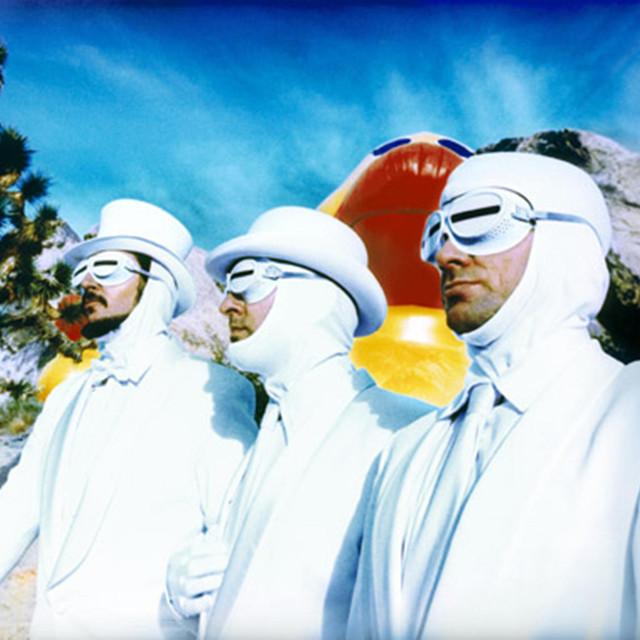
Mr. Bungle’s Spotify BioMr. Bungle's sound and approach are a unique mix of the experimental, the abstract, and the absurd. Commencing in 1985 as a neck-snapping death metal outfit, the Northern Californians underwent a full sonic lobotomy in the '90s, operating under the influence of ska, heavy metal, disco, thrash, funk, and avant-garde jazz (often in the same song), and issuing a trio of acclaimed and idiosyncratic albums (Mr. Bungle, Disco Volante, and California) before ceasing operations in 1999. Mr. Bungle reconvened in 2020 for a series of shows and released a re-recording of their 1986 demo The Raging Wrath of the Easter Bunny.
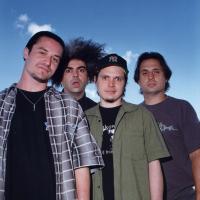
They started out 1985, in a small California town named Eureka. The group (bassist Trevor Dunn, drummer Danny Heifetz, alto saxophonist Theo Lengyel, tenor saxophonist/clarinetist Clinton McKinnon, vocalist Mike Patton, and guitarist Trey Spruance) met while in high school and took their moniker from an extremely corny children's educational film regarding bad habits (it was… featured in a Pee Wee Herman HBO special back in the early '80s). The band's first demo, The Raging Wrath of the Easter Bunny, was recorded around this time, and soon others followed: Bowl of Chiley, Goddammit I Love America!, and OU818. With each release, their sound became progressively more mutated, until musical boundaries began to melt (metal, funk, experimental, jazz, ska, techno, etc.).
Mike Patton landed the lead vocalist slot with Faith No More in 1988 (it was in fact a Mr. Bungle demo that got Patton the job), and instead of breaking up Mr. Bungle, Patton decided to keep both bands going simultaneously. Due to FNM's success (1989's The Real Thing), Mr. Bungle was signed to Warner Bros., which released their self-titled debut in 1991 (with almost all the members going by obscure aliases). The band built a large and loyal cult following on the subsequent tour, as they performed in masks to hide their identities, and played unlikely covers during their set (Billy Squier's "The Stroke," "The Star Wars Theme," John Sebastian's "Welcome Back"). When the tour wrapped up in 1992, Patton returned to Faith No More while the rest of the group focused on side projects (Spruance on Faxed Head; Heifetz on Dieselhed and Zip Code Rapists; and Spruance, Dunn, and Heifetz on the Secret Chiefs 3); Spruance briefly joined Patton in FNM for the recording of 1995's King for a Day.
It took Mr. Bungle four long years to follow up their debut with the superb Disco Volante (1995). A long and extensive world tour followed, with the group widening their fan base. Mr. Bungle quickly regrouped in early 1997 to record an album of their eclectic cover songs, which was eventually put on hold before completion as Patton began a tour with Faith No More and the others returned to various side projects. The group reconvened in 1999 for the release of California and split up after the following tour.
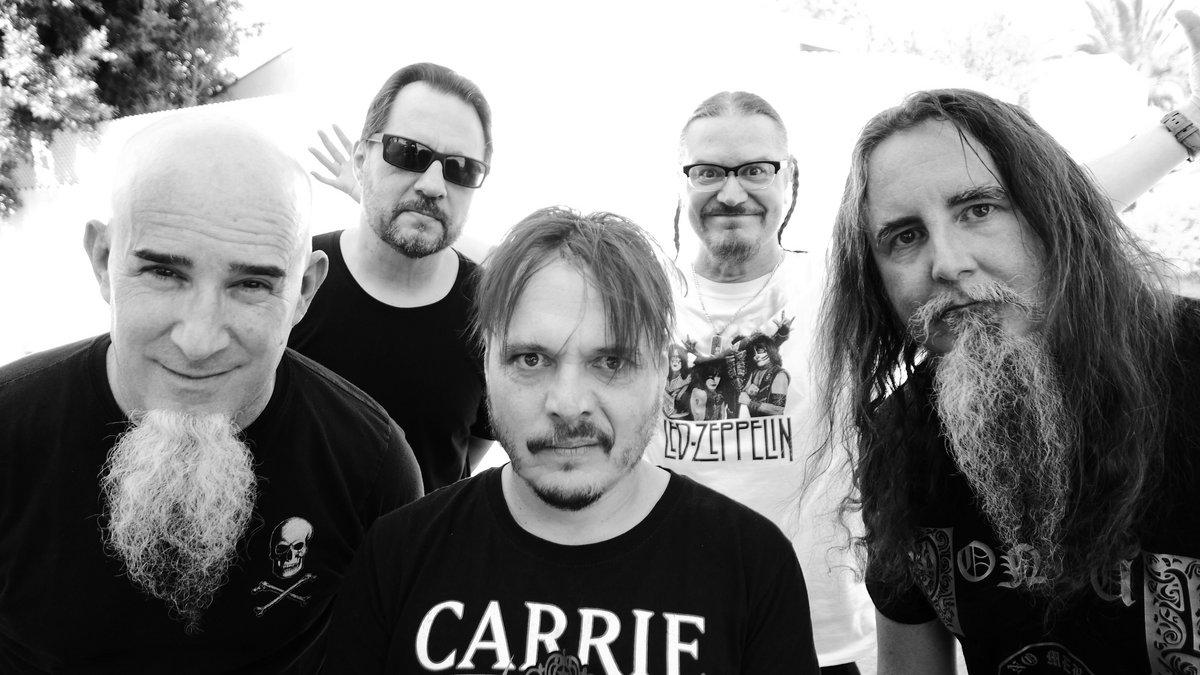
After decades spent working on myriad other projects, Mr. Bungle reunited in early 2020 to play a short series of shows, with Patton, Dunn, and Spruance joined by Anthrax guitarist Scott Ian and ex-Slayer drummer Dave Lombardo. This lineup returned to the studio to re-record songs from the band's demo tape. The Raging Wrath of the Easter Bunny Demo was issued in October of 2020 and reached number 30 on the Billboard 200. Also that year, they released a live-stream concert album The Night They Came Home. ~ Greg Prato & James Christopher Monger, Rovi
Viberate is a music analytics platform built for A&Rs, artist managers, labels, booking agents, marketers, and artists.
It helps music professionals track artist growth, analyze audience data, monitor playlist activity, compare artists, follow song performance, and identify opportunities across the music market.
Public artist pages provide a free preview of selected artist data. Paid plans provide access to deeper analytics, historical data, charts, comparisons, playlist tools, exports, alerts, reports, and additional professional features.
Yes. Public Viberate artist pages provide selected artist analytics and music data for free.
Viberate also offers a 7-day free trial of the full platform. A credit card is required to start the trial. The trial includes access to the complete product so users can test deeper artist analytics, historical views, playlist insights, comparisons, charts, exports, alerts, and reporting features before choosing a paid plan.
Viberate provides artist analytics across streaming, playlists, social media, video, radio airplay, songs, and audience markets.
Users can analyze Spotify performance, Spotify and Apple Music playlists, YouTube activity, TikTok and Instagram growth, radio spins, song performance, audience locations, demographics, rankings, and overall artist momentum.
Artist profiles also connect to music charts, similar artists, and comparison tools, helping users benchmark performance and evaluate artists in context.
Viberate updates key artist and track data daily.
For followed artists and tracks, selected data is refreshed multiple times per day. This helps teams monitor playlist changes, streaming movement, audience growth, releases, and campaign performance with more current data.
Update frequency can vary depending on the metric and data source.
Yes. Viberate lets users compare up to five artists side by side across streaming, social media, audience, and engagement metrics.
Users can compare fanbase growth, audience demographics, locations, Spotify performance, social metrics, and other artist data over selected time periods.
Artist comparison can be used for A&R scouting, benchmarking, booking decisions, campaign planning, and evaluating artists with similar audiences or market positions.