Tokyo String Quartet

Classical
Chamber Music
 Viberate Rank: 292492
 Viberate Rank: 292492
 Monthly ListenersFollowers
 Subscribers
 Followers
 Followers
 FansTop Spotify Songs
| Track | 7-Day Streams | |
|---|---|---|
1 | 1.18K | |
2 | 979 | |
3 | 948 | |
4 | 86 | |
5 | 85 |
Top YouTube VideosMonthly ListenersFeatured in Playlists| Playlist | Followers | |
|---|---|---|
1 |  Mozart mountainmover | 15.99K |
2 | 1200 Years of Women Composers Ulysses' Classical | 14.93K |
3 | Classical music jm jesusmartinell | 12.08K |
4 |  Brahms - Best of Deutsche Grammophon (DG) | 7.11K |
5 |  Beethoven - Complete Chronological Catalogue (Biamonti Catalogue) Ulysses' Classical | 6.53K |
Audience| City | Monthly Listeners | |
|---|---|---|
1 |  | 224 |
2 |  | 206 |
3 |  | 166 |
4 |  | 162 |
5 |  | 136 |
See full performance history, audience data, playlist activity, rankings, comparisons, and more in Viberate music analytics. Start with a free trial, then continue with a paid plan.
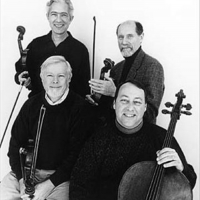
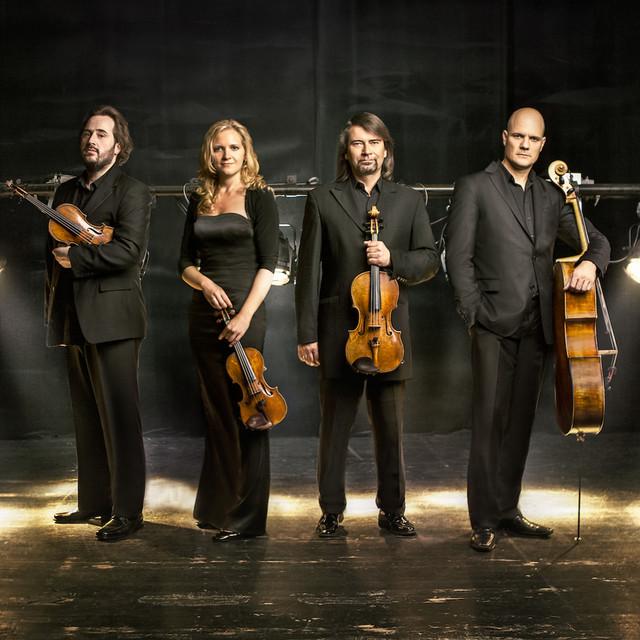
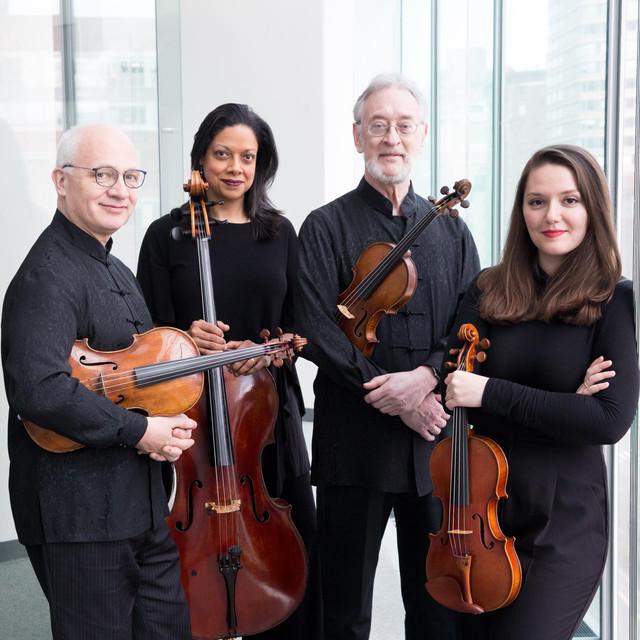
Tokyo String Quartet’s Spotify BioFor 43 years, the Tokyo String Quartet was one of the most prominent and respected string quartets in the world. The ensemble was known for its rich tone, dedication to serving the music, and commitment to teaching. Originally formed in 1969, the members included Koichiro Harada (first violin), Yoshiko Nakura (second violin), Kazuhide Isomura (viola), and Sadao Harada (cello). They all attended the Toho Gakuen in the 1960s, studying under the legendary cellist and conductor Hideo Saito. Their first impetus to form the group was suggested by members of the Juilliard Quartet during a series of workshops that they gave in Nikko in 1966. They informed the young musicians that there wasn't any permanent string quartet in Japan and suggested that they might be a good fit for one. This encounter led the group to study at Juilliard, where they officially became the Tokyo String Quartet. The ensemble was initially a casual study group for practicing and learning repertoire, but the members… quickly became quite serious and dedicated. In 1970, they enjoyed a series of victories with the Young Concert Artists International Auditions, the Munich International Chamber Music Competition, and they won the Coleman String Quartet Competition which was judged by members of the Amadeus Quartet. From the competition in Munich, the group was guaranteed 100 concerts and a recording contract with Deutsche Grammophon. In 1974 Nakura left the group to pursue a solo career and was replaced by Kikuei Ikeda, and in 1981 Harada was replaced by Peter Oundjian, a former student of Ivan Galamian and Dorothy DeLay. One major focus of the group throughout its entire career was education, as they offered coaching and masterclasses at universities around the world. Since 1977 the group had been the resident quartet at Yale University, and in 1987 became the artist in residence at the University of Cincinnati. Further personnel changes occurred after Oundjian suffered a hand injury in 1996. He was temporarily replaced with Andrew Dawes from the Orford String Quartet, and in 1997 Mikhail Kopelman from the Borodin Quartet took his place. Founding member Sadao Harada also left the group in 1999, replaced by Clive Greensmith, former principal cellist of the Royal Philharmonic, and in 2002 Martin Beaver joined the group as the first violinist. This lineup continued until the group's retirement in 2013. Throughout the quartet's long career, it produced over 40 recordings, including the complete string quartets of Beethoven, Bartók, Janáček, and Schubert. ~ RJ Lambert & Andrew Lindemann Malone, Rovi
Viberate is a music analytics platform built for A&Rs, artist managers, labels, booking agents, marketers, and artists.
It helps music professionals track artist growth, analyze audience data, monitor playlist activity, compare artists, follow song performance, and identify opportunities across the music market.
Public artist pages provide a free preview of selected artist data. Paid plans provide access to deeper analytics, historical data, charts, comparisons, playlist tools, exports, alerts, reports, and additional professional features.
Yes. Public Viberate artist pages provide selected artist analytics and music data for free.
Viberate also offers a 7-day free trial of the full platform. A credit card is required to start the trial. The trial includes access to the complete product so users can test deeper artist analytics, historical views, playlist insights, comparisons, charts, exports, alerts, and reporting features before choosing a paid plan.
Viberate provides artist analytics across streaming, playlists, social media, video, radio airplay, songs, and audience markets.
Users can analyze Spotify performance, Spotify and Apple Music playlists, YouTube activity, TikTok and Instagram growth, radio spins, song performance, audience locations, demographics, rankings, and overall artist momentum.
Artist profiles also connect to music charts, similar artists, and comparison tools, helping users benchmark performance and evaluate artists in context.
Viberate updates key artist and track data daily.
For followed artists and tracks, selected data is refreshed multiple times per day. This helps teams monitor playlist changes, streaming movement, audience growth, releases, and campaign performance with more current data.
Update frequency can vary depending on the metric and data source.
Yes. Viberate lets users compare up to five artists side by side across streaming, social media, audience, and engagement metrics.
Users can compare fanbase growth, audience demographics, locations, Spotify performance, social metrics, and other artist data over selected time periods.
Artist comparison can be used for A&R scouting, benchmarking, booking decisions, campaign planning, and evaluating artists with similar audiences or market positions.