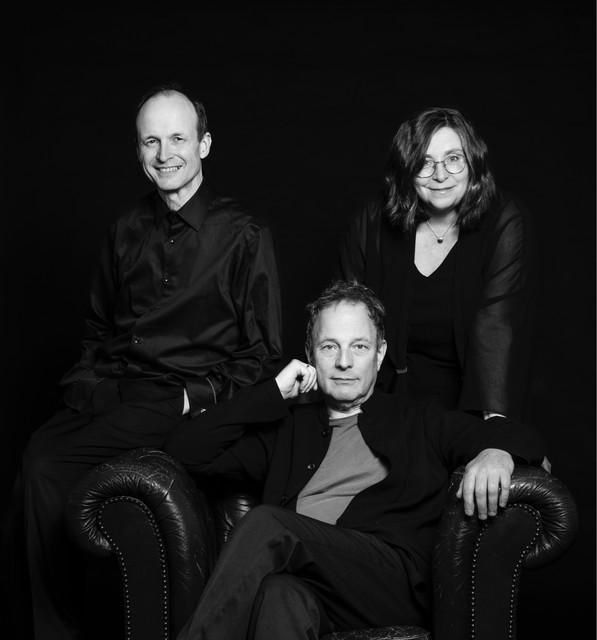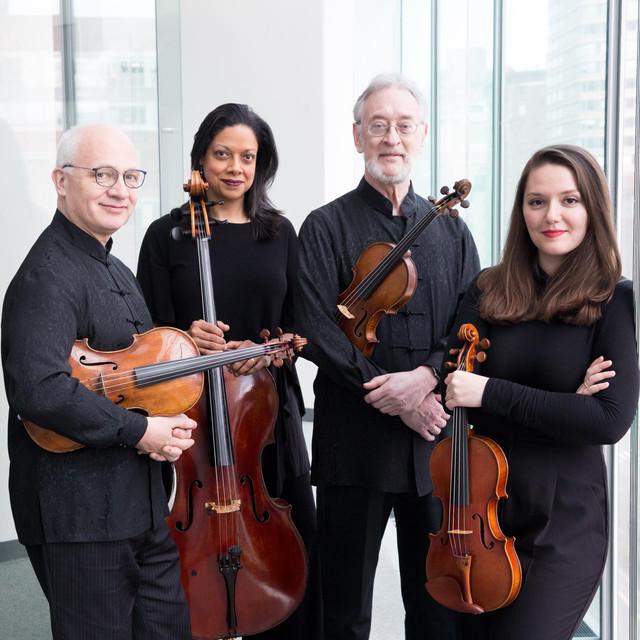
Juilliard String Quartet

Classical
Chamber Music
 Viberate Rank: 155302
 Viberate Rank: 155302
 Monthly ListenersFollowers
 Subscribers
 Followers
 Followers
 FansTop Spotify Songs
| Track | 7-Day Streams | |
|---|---|---|
1 | 814 | |
2 | 767 | |
3 | 687 | |
4 | 648 | |
5 | 493 |
Top YouTube VideosMonthly ListenersFeatured in Playlists| Playlist | Followers | |
|---|---|---|
1 |  Haruki Murakami's vinyl collection Masamaro | 109.94K |
2 | Reddit's Hype Playlist kfbest | 27.36K |
3 |  Year of Wonder : Classical Music for Every Day - Clemency Burton-Hill lilham | 16.11K |
4 |  light academia classical swagmaster80085 | 15.24K |
5 |  NPR Classical NPR Music | 14.43K |
Audience| City | Monthly Listeners | |
|---|---|---|
1 | | 279 |
2 |  | 224 |
3 | | 134 |
4 | | 121 |
5 | | 114 |
See full performance history, audience data, playlist activity, rankings, comparisons, and more in Viberate music analytics. Start with a free trial, then continue with a paid plan.
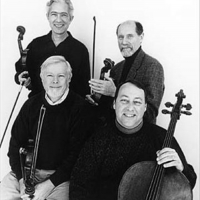
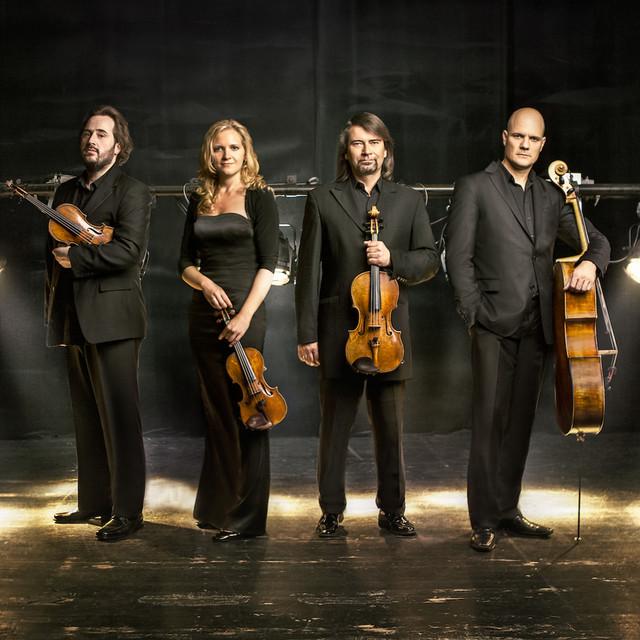
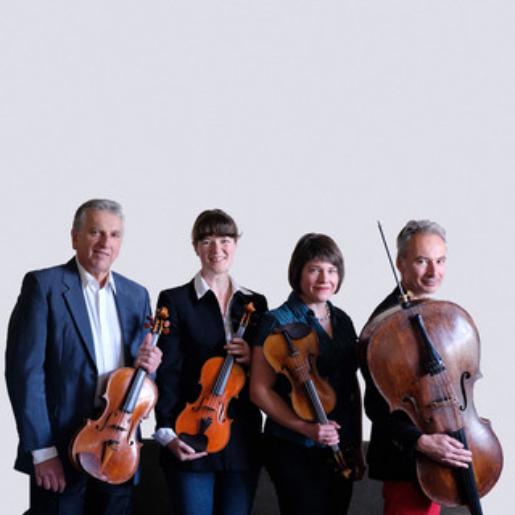
Juilliard String Quartet’s Spotify BioThe Juilliard String Quartet was founded in 1946 by William Schuman, who was the president of the Juilliard School in New York. The original members of the quartet were violinists Robert Mann and Robert Koff, violist Raphael Hillyer, and cellist Arthur Winograd. The members of the quartet have changed a number of times over the course of the ensemble's career, but after more than 50 years of performances and recordings, the Juilliard Quartet has remained one of the most famous and well-respected string quartets in the world.
The Juilliard Quartet was born out of a need for committed performances of modern music and for a revitalized approach to the standard string quartet repertoire. When William Schuman, then the new president of the Juilliard School, proposed the formation of a resident string quartet to the board of directors in 1947, it was with the understanding that this group would, in his words, "embrace the entire repertoire of music," with the only stipulation being that its… name would not be changed, no matter who the players were. The debut performances of the quartet were astonishingly successful, and critics remarked on the group's vigorous, dynamic playing, and the overwhelming intensity of each performance. More recent reviews continue to cite the Juilliard Quartet's passion, but also its "homogeneity" and "secure" sound, no doubt a product of its long and distinguished history.
The quartet has been recognized for giving equal reverence to both 20th-century music and past masterworks and has successfully performed not only works by Beethoven, Mozart, Haydn, and Brahms, but also the music of Bartók, Berg, Schoenberg, and Shostakovich. The quartet is well-known in particular for its performances of the Beethoven string quartet cycle, but, it is also recognized as an important champion of contemporary American music, on average premiering one new work each year, if not more. Its American repertory includes music by Elliot Carter, Aaron Copland, Roger Sessions, and Milton Babbitt.
The Juilliard Quartet is, of course, the quartet in residence at Juilliard, but also at the Library of Congress (since 1962) and at Michigan State University (since 1977). The library loaned the quartet its set of Stradivarius instruments as part of the residency. The quartet members are not only performers, but also apologists for modern music and teachers at Juilliard. They have helped nuture many other quartets, including the Emerson, Tokyo, La Salle, and Lark quartets. The ensemble has toured extensively throughout the world, and was the first American string quartet to visit the Soviet Union in 1961.
The quartet's discography includes recordings of the complete cycle of Beethoven string quartets; the Mendelssohn quartets; the string quartets of Haydn, Verdi, Schubert, and Sibelius; and the quintets of Mozart and Brahms. The quartet has also recorded music by Schoenberg, Webern, Beach, Barber, Carter, Smetana, Gould, Franck, and numerous other modern composers. For its recordings, the group has received four Grammy awards, a German Record Critics lifetime achievement award, Musical America's Musician of the Year (1996), and been inducted into the National Academy Recording Arts and Sciences' Hall of Fame.
Viberate is a music analytics platform built for A&Rs, artist managers, labels, booking agents, marketers, and artists.
It helps music professionals track artist growth, analyze audience data, monitor playlist activity, compare artists, follow song performance, and identify opportunities across the music market.
Public artist pages provide a free preview of selected artist data. Paid plans provide access to deeper analytics, historical data, charts, comparisons, playlist tools, exports, alerts, reports, and additional professional features.
Yes. Public Viberate artist pages provide selected artist analytics and music data for free.
Viberate also offers a 7-day free trial of the full platform. A credit card is required to start the trial. The trial includes access to the complete product so users can test deeper artist analytics, historical views, playlist insights, comparisons, charts, exports, alerts, and reporting features before choosing a paid plan.
Viberate provides artist analytics across streaming, playlists, social media, video, radio airplay, songs, and audience markets.
Users can analyze Spotify performance, Spotify and Apple Music playlists, YouTube activity, TikTok and Instagram growth, radio spins, song performance, audience locations, demographics, rankings, and overall artist momentum.
Artist profiles also connect to music charts, similar artists, and comparison tools, helping users benchmark performance and evaluate artists in context.
Viberate updates key artist and track data daily.
For followed artists and tracks, selected data is refreshed multiple times per day. This helps teams monitor playlist changes, streaming movement, audience growth, releases, and campaign performance with more current data.
Update frequency can vary depending on the metric and data source.
Yes. Viberate lets users compare up to five artists side by side across streaming, social media, audience, and engagement metrics.
Users can compare fanbase growth, audience demographics, locations, Spotify performance, social metrics, and other artist data over selected time periods.
Artist comparison can be used for A&R scouting, benchmarking, booking decisions, campaign planning, and evaluating artists with similar audiences or market positions.