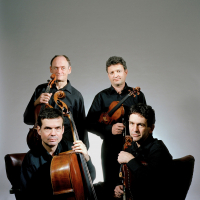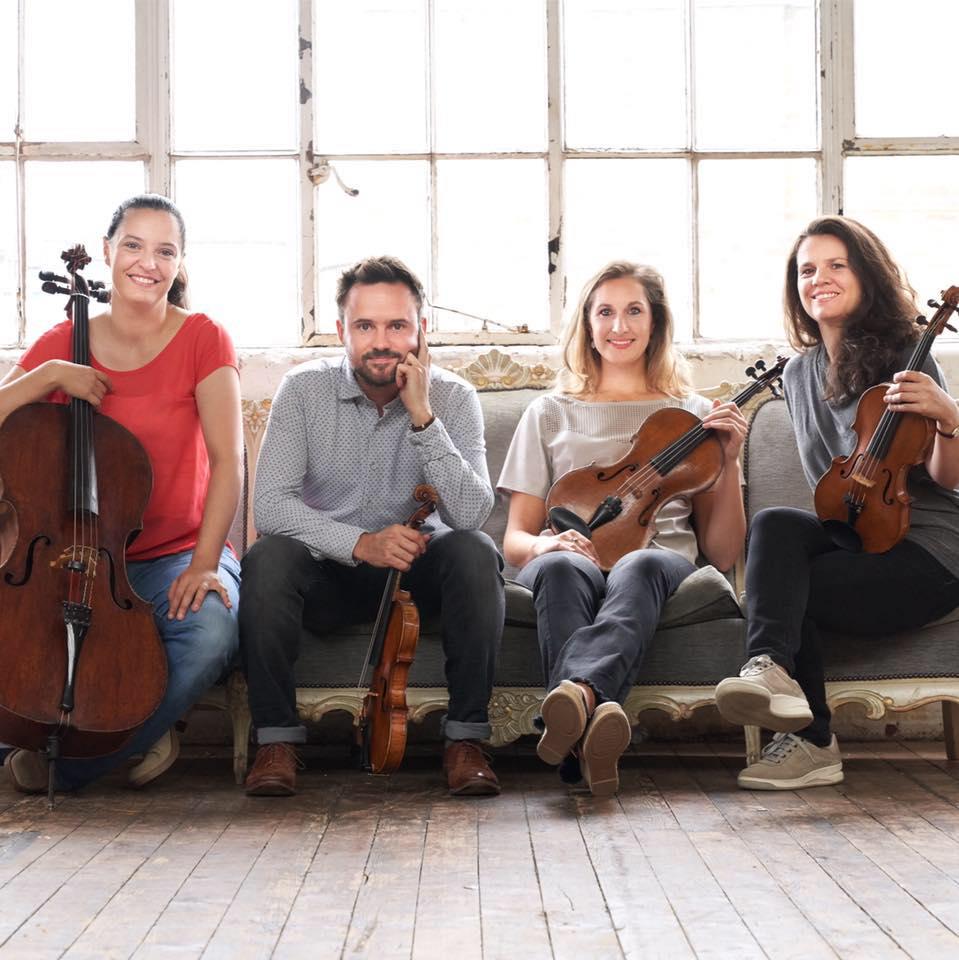
Elias String Quartet

Classical
Orchestral
Chamber Music
 Viberate Rank: 486660
 Viberate Rank: 486660
 Monthly ListenersFollowers
 Subscribers
 Followers
 Followers
 FansTop Spotify Songs
| Track | 7-Day Streams | |
|---|---|---|
1 | 179 | |
2 | 121 | |
3 | 120 | |
4 | 118 | |
5 | 110 |
Top YouTube VideosMonthly ListenersFeatured in Playlists| Playlist | Followers | |
|---|---|---|
1 | wicks Brennan McDowell | 43.73K |
2 |  Baroque Music for Focused Work (No Lyrics) Joanne | 23.89K |
3 | Bach on Classical Guitar Ulysses' Classical | 7.42K |
4 | Classical Instrumental Jeziel Paolo Macatangay Sespeñe | 6.30K |
5 | Bach Guitar glenngouldchess | 4.96K |
Audience| City | Monthly Listeners | |
|---|---|---|
1 | | 26 |
2 |  | 12 |
3 | | 9 |
4 | | 8 |
5 | | 8 |
See full performance history, audience data, playlist activity, rankings, comparisons, and more in Viberate music analytics. Start with a free trial, then continue with a paid plan.
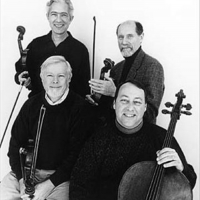
Elias String Quartet’s Spotify BioBritain's Elias String Quartet has made its name through intense, powerful interpretations of core quartet repertory, including an acclaimed cycle of Beethoven's 16 string quartets. The group takes its name from Mendelssohn's oratorio Elias (known as Elijah in English).
The four members joined forces at the Royal Northern College of Music in Manchester in 1998, where their coach was Christopher Rowland. The quartet traveled to the Cologne Hochschule für Musik to study with the Alban Berg Quartet, and has benefited from mentorships by György Kurtág, Gábor Takács-Nagy, and Henri Dutilleux, among others. After becoming New Generation Artists of the BBC Radio 3 network in 2009, the group won a Borletti-Buitoni Trust Award and has since appeared at top European and American venues. In the U.S., it has performed at New York's Carnegie Hall and the Library of Congress; it has also toured the U.S. with pianist Jonathan Biss, with whom it has recorded piano quintets of Schumann and Dvorák for… the Onyx label.
The group's first recording was of music by Mendelssohn, made for the ASV label in 2007. Between 2011 and 2015 the Elias String Quartet performed all of Beethoven's quartets at London's Wigmore Hall, and beginning in 2015 those recordings were released on Wigmore Hall's own label. In 2018 the fourth volume of the set was released. The Elias Quartet has championed contemporary music, performing works by Sally Beamish, Colin Matthews, Matthew Hindson, Huw Watkins, and Timo Andres and working closely with Henri Dutilleux on his string quartet Ainsi la Nuit. It served as resident quartet for the Music in the Round series in the city of Sheffield for four years. The Elias Quartet's concert schedule for 2018 included a performance at the Gulbenkian Foundation in Lisbon, a residency at the University of Iowa in the U.S., an appearance on the University Musical Society series in Ann Arbor, Michigan, and a three-night "After Beethoven" concert series held in conjunction with the Martin Randall Holiday in Lavenham, U.K.
Viberate is a music analytics platform built for A&Rs, artist managers, labels, booking agents, marketers, and artists.
It helps music professionals track artist growth, analyze audience data, monitor playlist activity, compare artists, follow song performance, and identify opportunities across the music market.
Public artist pages provide a free preview of selected artist data. Paid plans provide access to deeper analytics, historical data, charts, comparisons, playlist tools, exports, alerts, reports, and additional professional features.
Yes. Public Viberate artist pages provide selected artist analytics and music data for free.
Viberate also offers a 7-day free trial of the full platform. A credit card is required to start the trial. The trial includes access to the complete product so users can test deeper artist analytics, historical views, playlist insights, comparisons, charts, exports, alerts, and reporting features before choosing a paid plan.
Viberate provides artist analytics across streaming, playlists, social media, video, radio airplay, songs, and audience markets.
Users can analyze Spotify performance, Spotify and Apple Music playlists, YouTube activity, TikTok and Instagram growth, radio spins, song performance, audience locations, demographics, rankings, and overall artist momentum.
Artist profiles also connect to music charts, similar artists, and comparison tools, helping users benchmark performance and evaluate artists in context.
Viberate updates key artist and track data daily.
For followed artists and tracks, selected data is refreshed multiple times per day. This helps teams monitor playlist changes, streaming movement, audience growth, releases, and campaign performance with more current data.
Update frequency can vary depending on the metric and data source.
Yes. Viberate lets users compare up to five artists side by side across streaming, social media, audience, and engagement metrics.
Users can compare fanbase growth, audience demographics, locations, Spotify performance, social metrics, and other artist data over selected time periods.
Artist comparison can be used for A&R scouting, benchmarking, booking decisions, campaign planning, and evaluating artists with similar audiences or market positions.