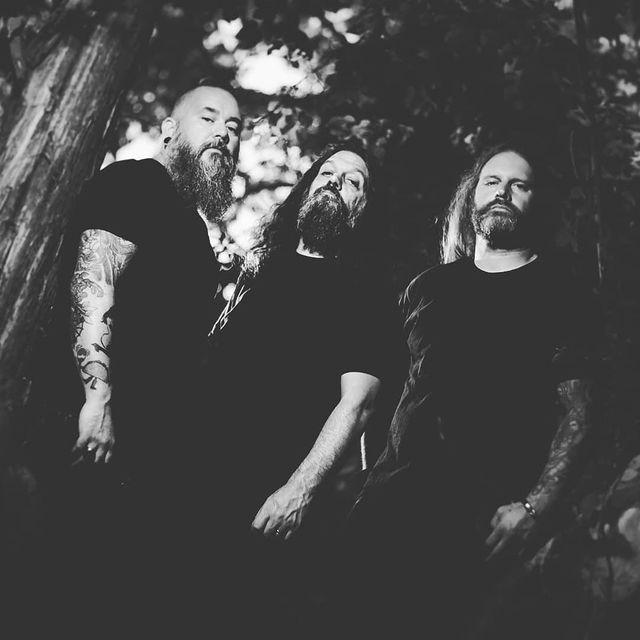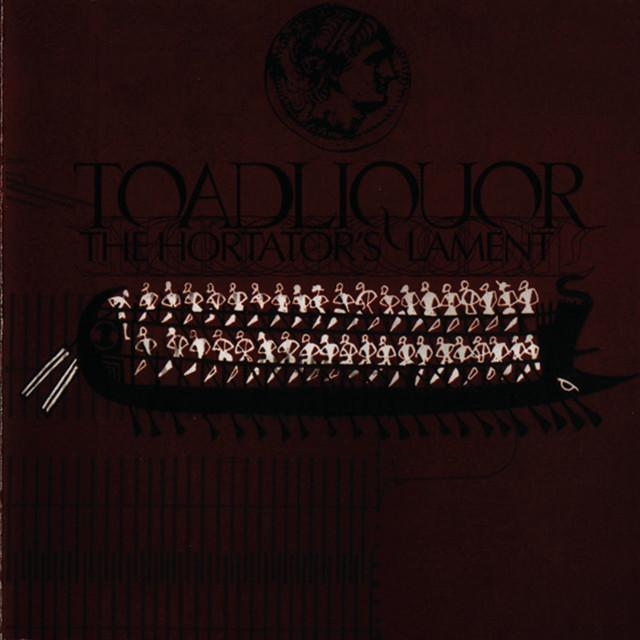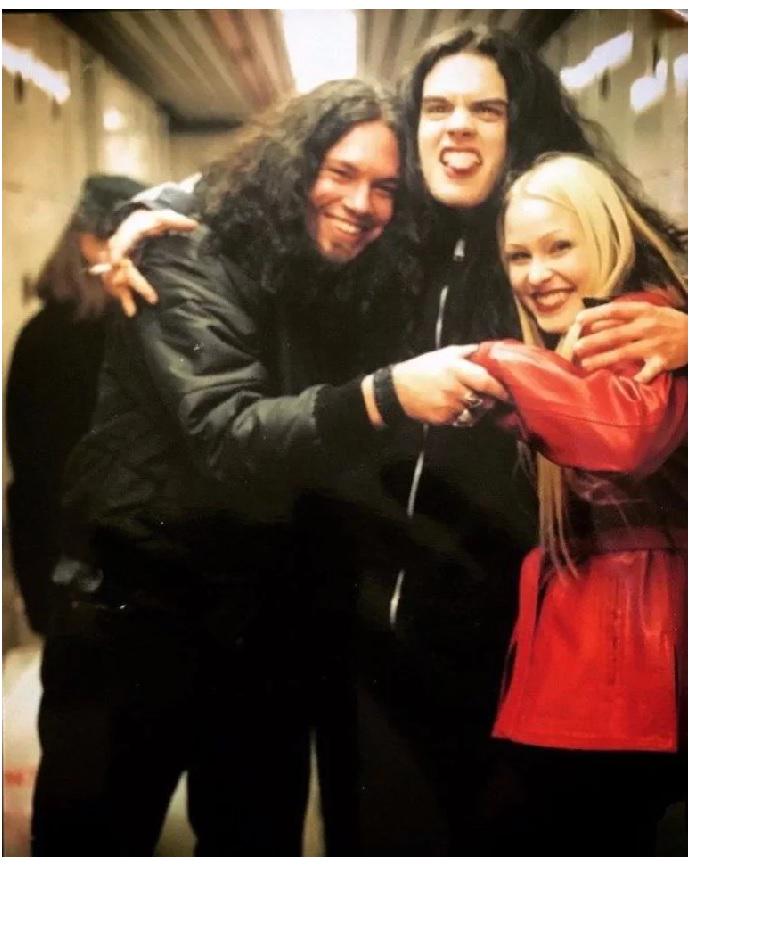
Thorr's Hammer

Metal
Black Metal
Doom/Sludge Metal
 Viberate Rank: 251457
 Viberate Rank: 251457
 Monthly ListenersFollowers
 Subscribers
 Followers
 Followers
 FansTop Spotify Songs
| Track | 7-Day Streams | |
|---|---|---|
1 | 1.34K | |
2 | 822 | |
3 | 454 | |
4 | 234 |
Top YouTube VideosMonthly ListenersFeatured in Playlists| Playlist | Followers | |
|---|---|---|
1 |  Ultimate Doom Metal Loudwire | 45.65K |
2 |  Ultimate Sludge Metal Loudwire | 30.11K |
3 |  Songs that are ACTUALLY like Ptolemaea T🖤 | 14.44K |
4 |  Viking Metal Thor'sDay - Folk Metal Ernst Christensen | 10.25K |
5 |  The Sound of Sludge Metal The Sounds of Spotify | 7.44K |
Audience| City | Monthly Listeners | |
|---|---|---|
1 | | 51 |
2 | | 51 |
3 | | 40 |
4 |  | 37 |
5 |  | 35 |
See full performance history, audience data, playlist activity, rankings, comparisons, and more in Viberate music analytics. Start with a free trial, then continue with a paid plan.
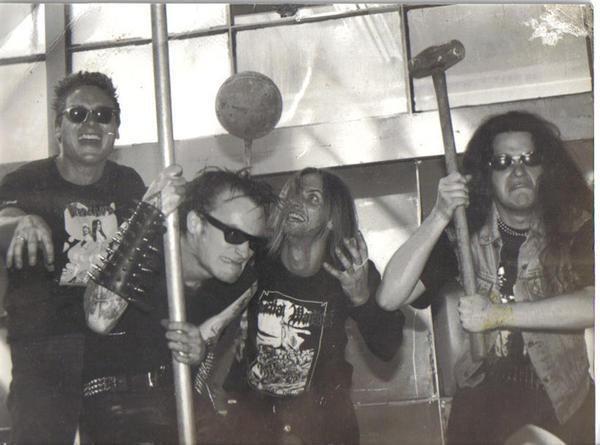
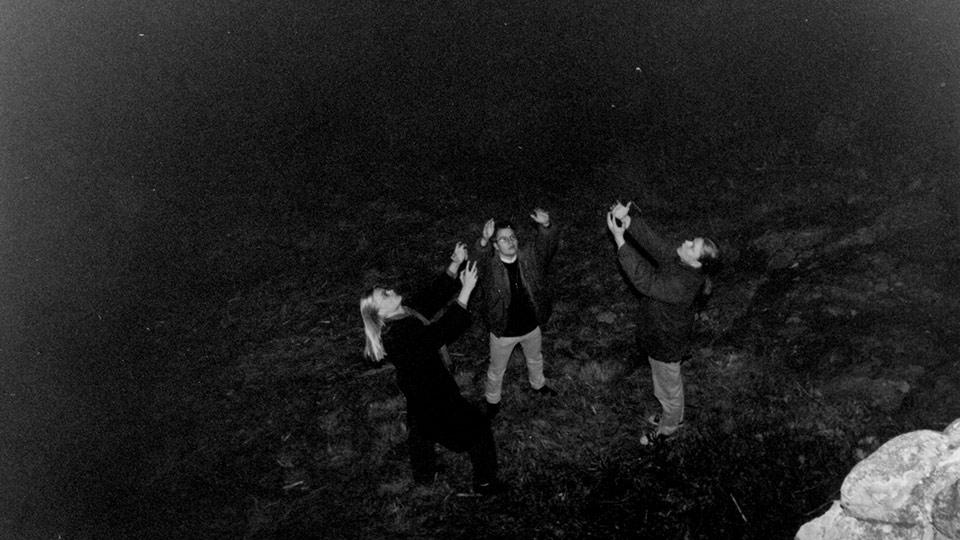
Thorr's Hammer’s Spotify BioThe product of a six-week, two-concert collaboration, Ballard, WA-based doom metal/death metal group Thorr's Hammer was conceived by guitarists Greg Anderson (later of Goatsnake and Sunn 0]]], among other groups) and Stephen O'Malley (future Burning Witch, Khanate, and also Sunn 0]]] member) in the winter of 1994-1995. After calling upon bassist James Hale and drummer Jamie Sykes, the duo recruited 17-year-old Norwegian singer and lyricist Runhild Gammelsaeter (aka Ozma) to serve as the wild card in their typically crawling, crushing doom metal/death metal sound. A record of their dark but brief association, the three-song Dommedagsnatt was originally released only on cassette by Moribund Records, but was later given a CD reissue by Southern Lord, first in 1998, then again in 2004 with an ultra-rare video of Thorr's Hammer performing live as an added multimedia element. ~ Eduardo Rivadavia, Rovi
Viberate is a music analytics platform built for A&Rs, artist managers, labels, booking agents, marketers, and artists.
It helps music professionals track artist growth, analyze audience data, monitor playlist activity, compare artists, follow song performance, and identify opportunities across the music market.
Public artist pages provide a free preview of selected artist data. Paid plans provide access to deeper analytics, historical data, charts, comparisons, playlist tools, exports, alerts, reports, and additional professional features.
Yes. Public Viberate artist pages provide selected artist analytics and music data for free.
Viberate also offers a 7-day free trial of the full platform. A credit card is required to start the trial. The trial includes access to the complete product so users can test deeper artist analytics, historical views, playlist insights, comparisons, charts, exports, alerts, and reporting features before choosing a paid plan.
Viberate provides artist analytics across streaming, playlists, social media, video, radio airplay, songs, and audience markets.
Users can analyze Spotify performance, Spotify and Apple Music playlists, YouTube activity, TikTok and Instagram growth, radio spins, song performance, audience locations, demographics, rankings, and overall artist momentum.
Artist profiles also connect to music charts, similar artists, and comparison tools, helping users benchmark performance and evaluate artists in context.
Viberate updates key artist and track data daily.
For followed artists and tracks, selected data is refreshed multiple times per day. This helps teams monitor playlist changes, streaming movement, audience growth, releases, and campaign performance with more current data.
Update frequency can vary depending on the metric and data source.
Yes. Viberate lets users compare up to five artists side by side across streaming, social media, audience, and engagement metrics.
Users can compare fanbase growth, audience demographics, locations, Spotify performance, social metrics, and other artist data over selected time periods.
Artist comparison can be used for A&R scouting, benchmarking, booking decisions, campaign planning, and evaluating artists with similar audiences or market positions.